
Spill Control Kits
Showing 1–12 of 89 results
-
-
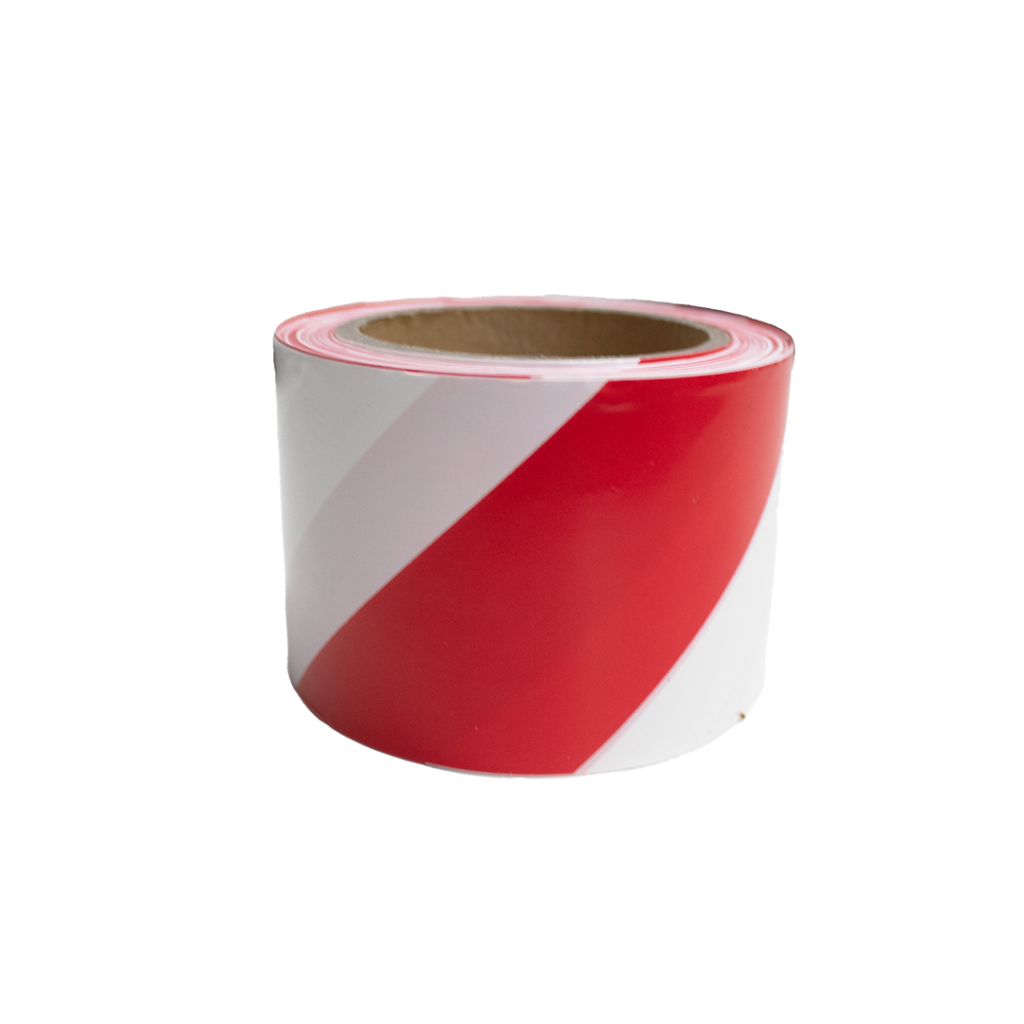
100m Safety Barrier (Red & White) Tape
$28.60 (inc. GST)
-
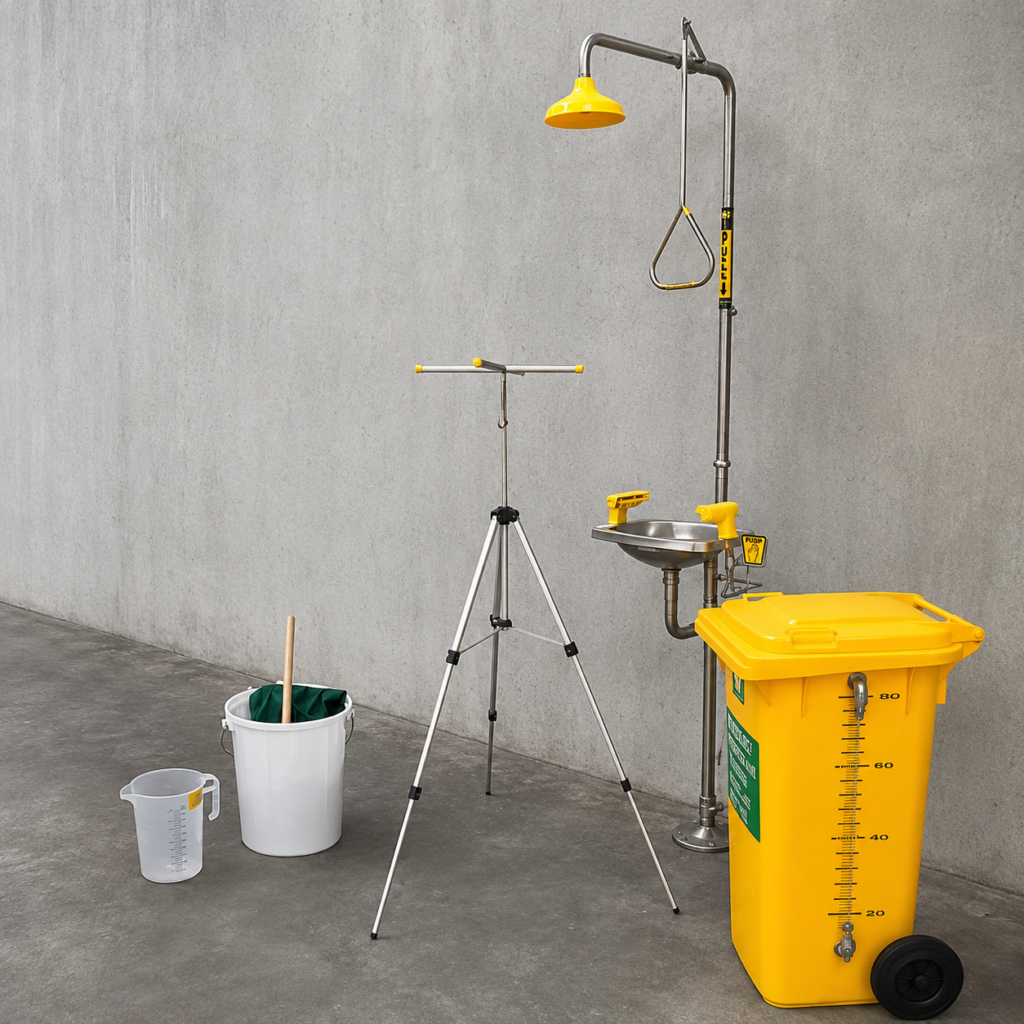
120L Eye Wash Test Kit Wheelie Bin with Water Site Gauge
$1,105.50 (inc. GST)
-
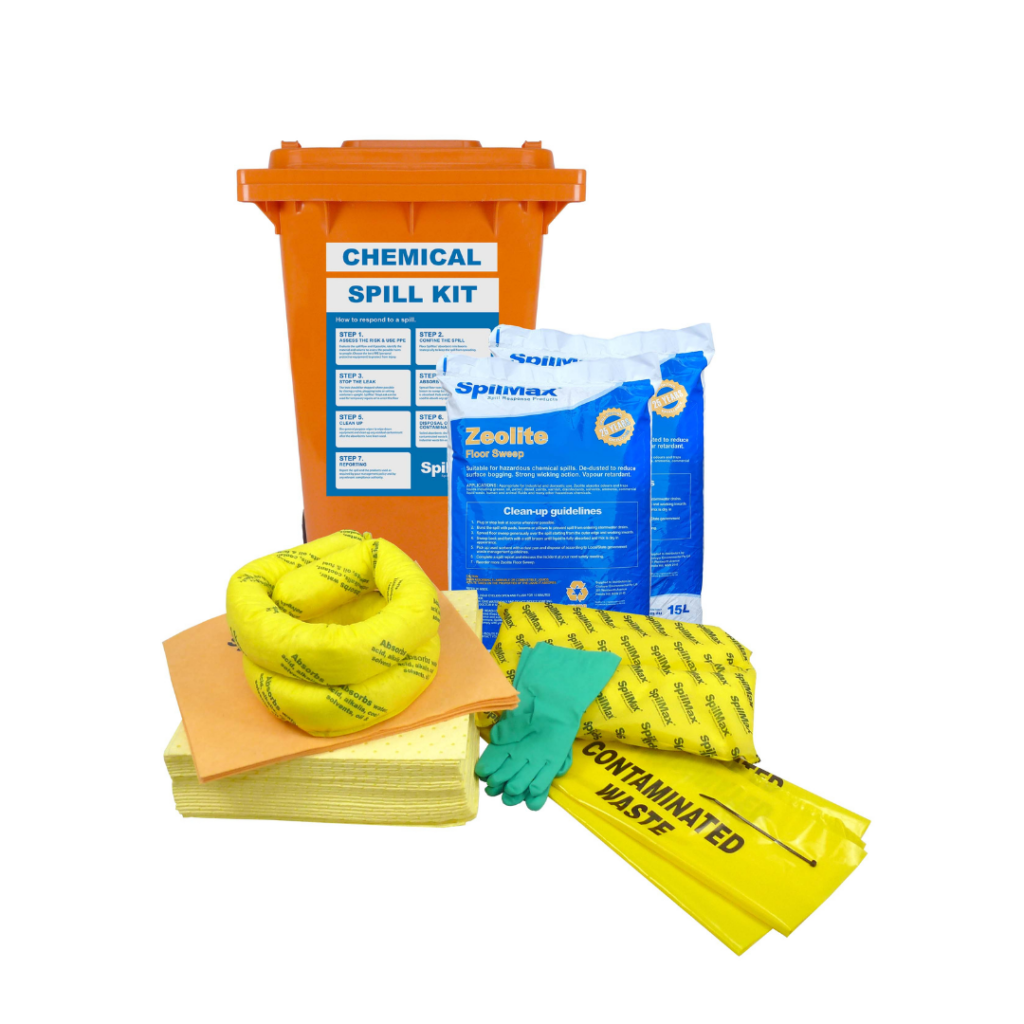
140L Chemical Workplace Spill Kit with 15L Floor Sweep – 40kg
$445.50 (inc. GST)
-
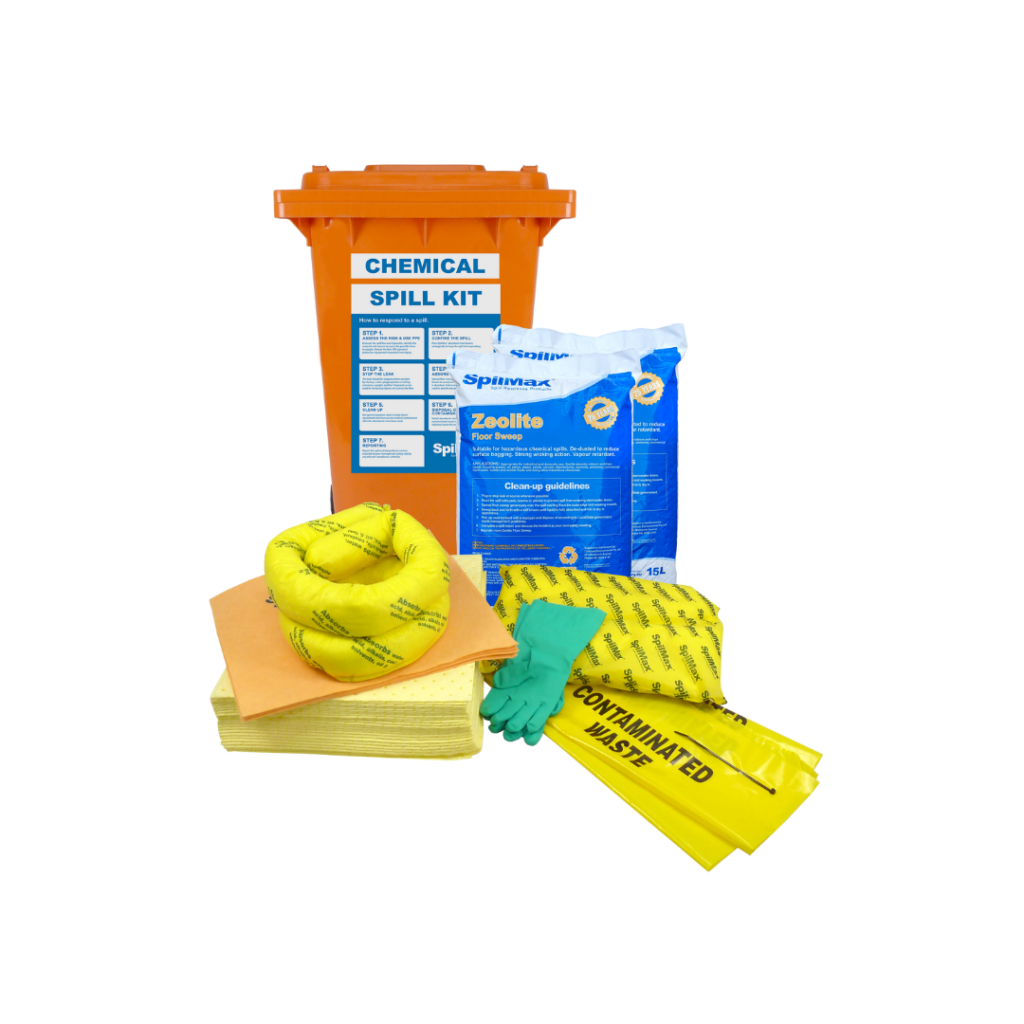
140L Chemical Workplace Spill Kit with Floor Sweep – 35kg
$522.50 (inc. GST)
-
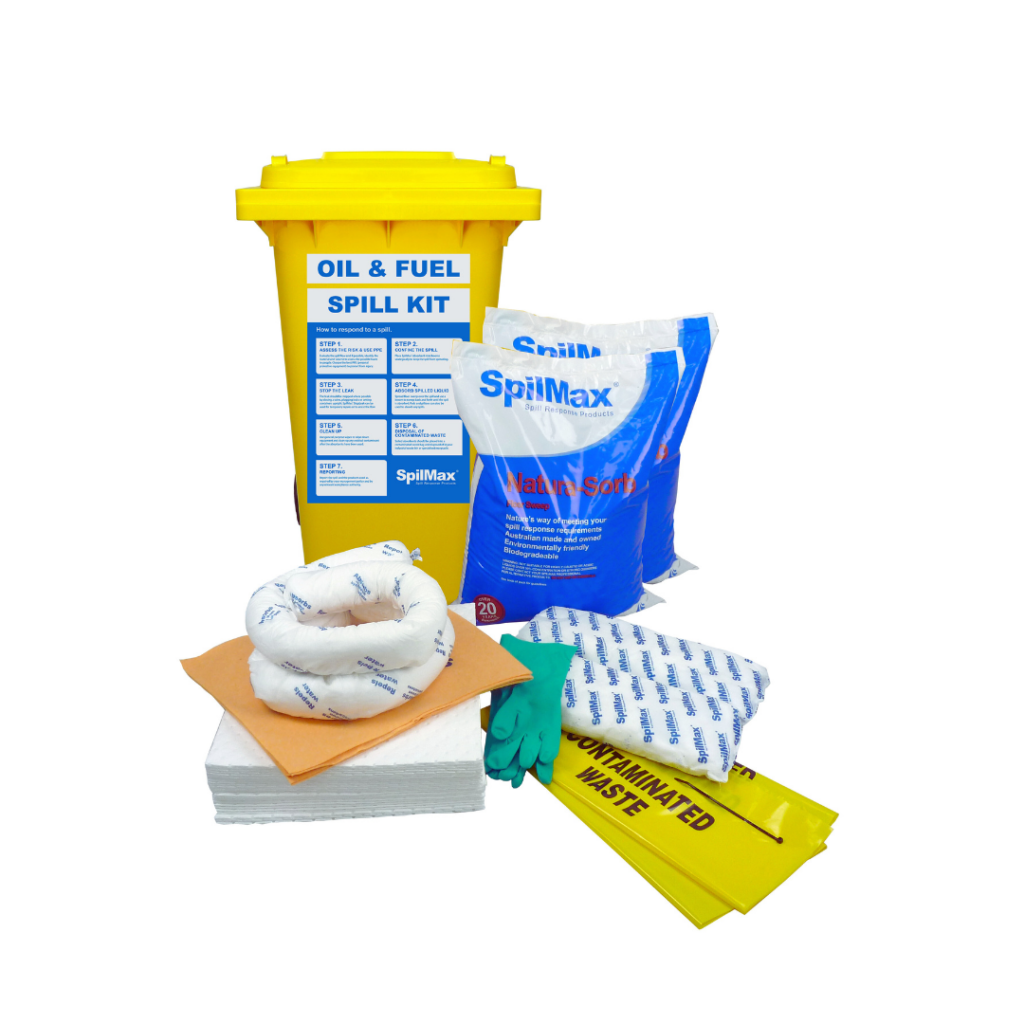
140L Oil & Fuel Workplace Spill Kit
$412.50 (inc. GST)
-
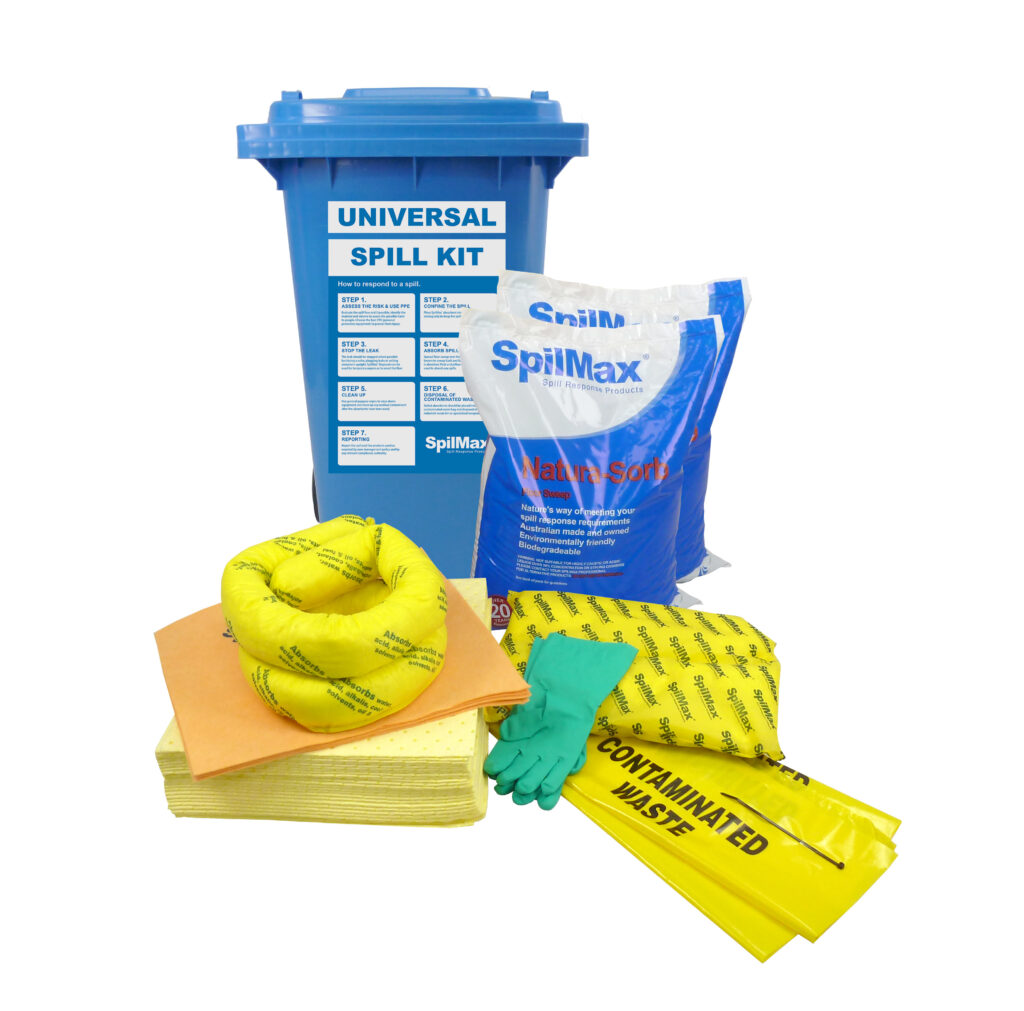
140L Universal Workplace Spill Kit
$423.50 (inc. GST)
-

140L Wheelie Bins with stickers applied
$176.00 (inc. GST)
-
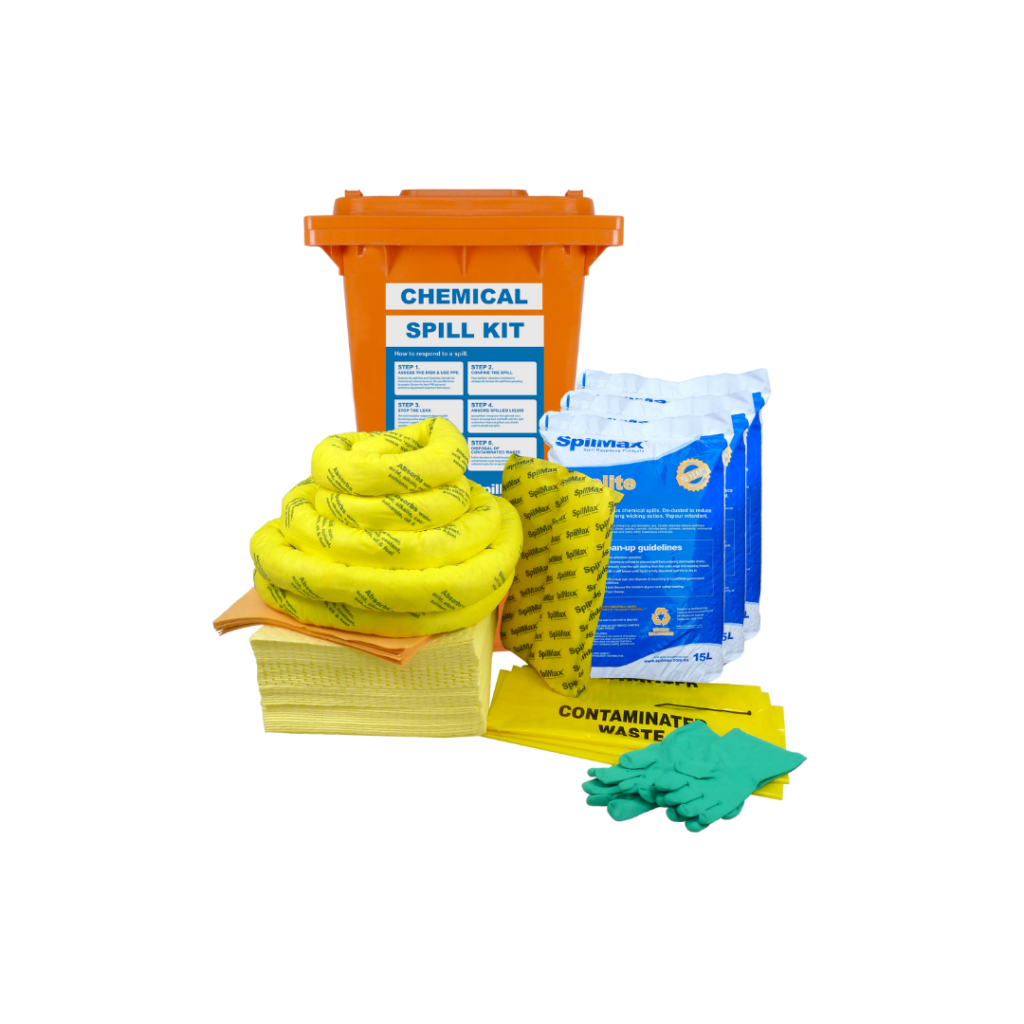
240L Chemical Workplace Spill Kit with 15L Floor Sweep – 55kg
$764.50 (inc. GST)
-
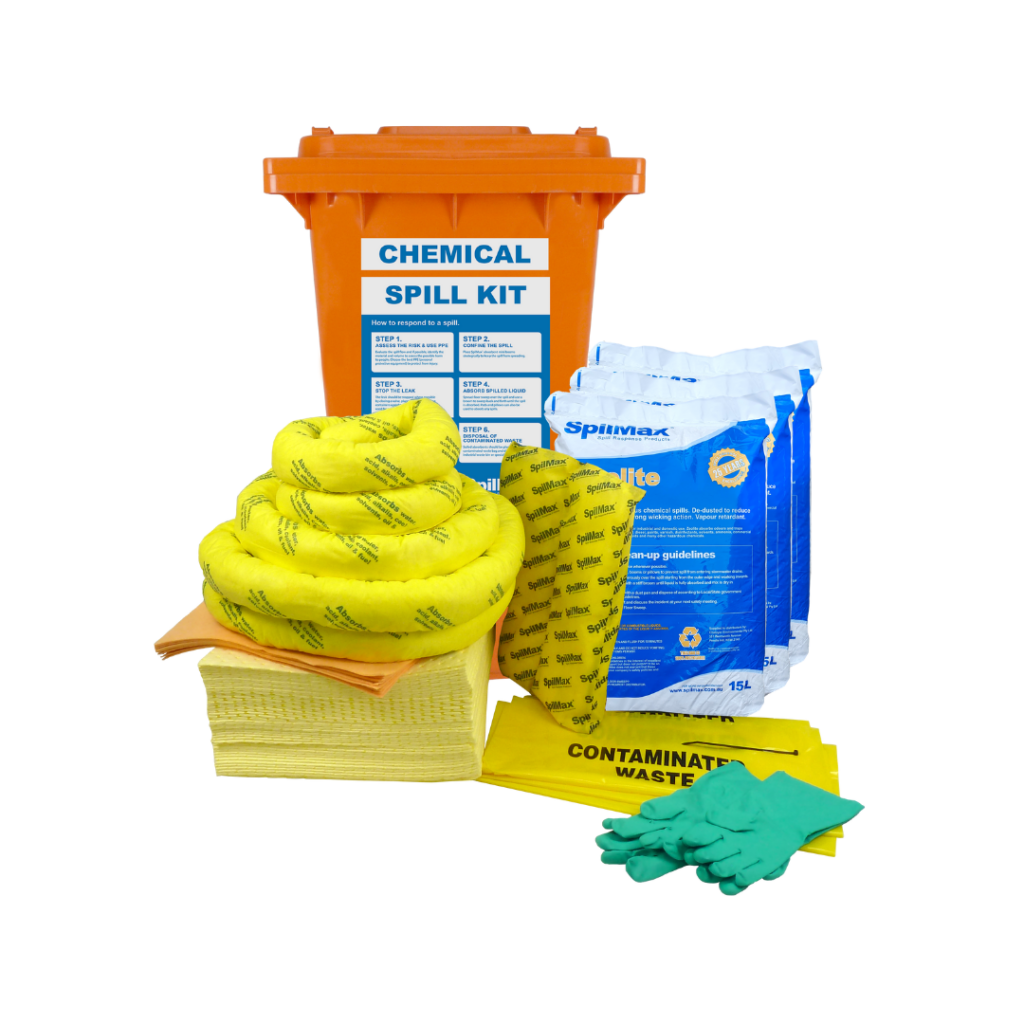
240L Chemical Workplace Spill Kits with Floor Sweep – 60kg
$687.50 (inc. GST)
-
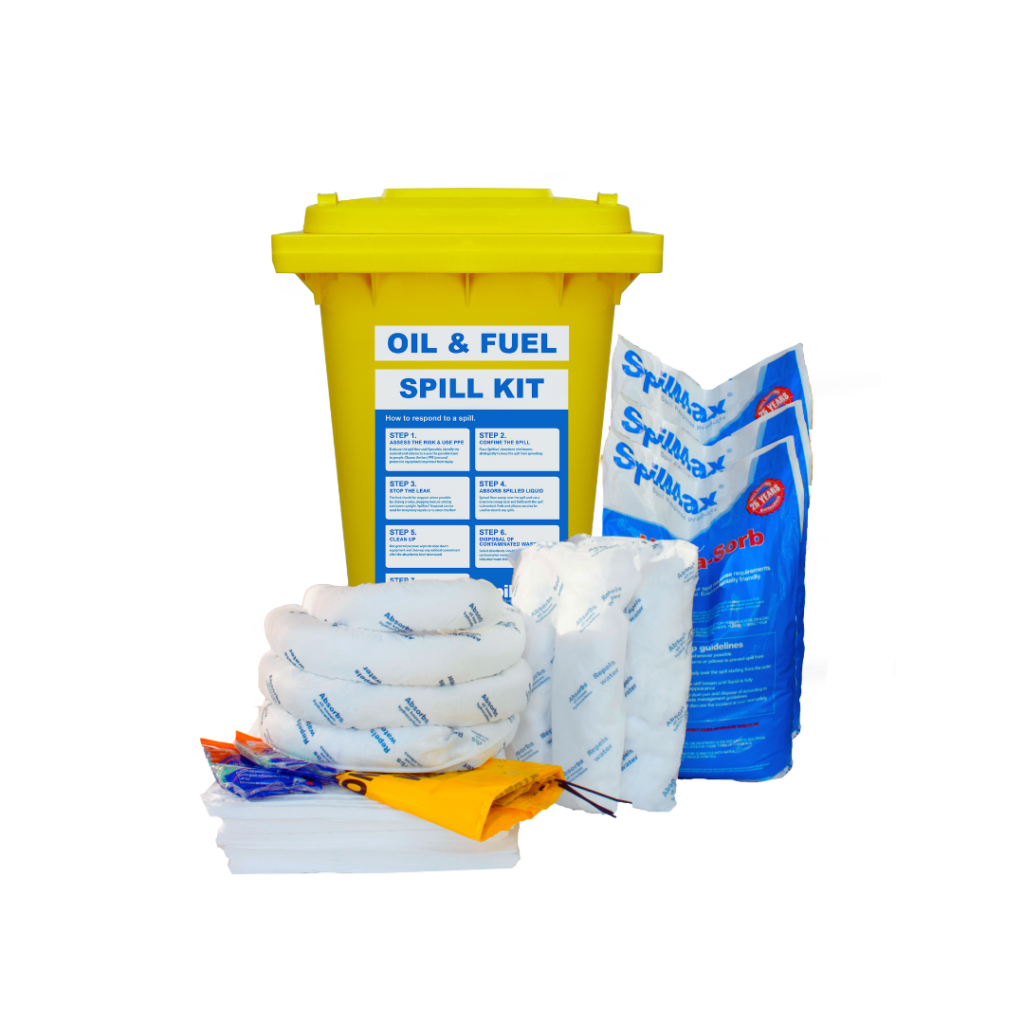
240L Oil & Fuel Economy Workplace Spill Kit
$533.50 (inc. GST)
-
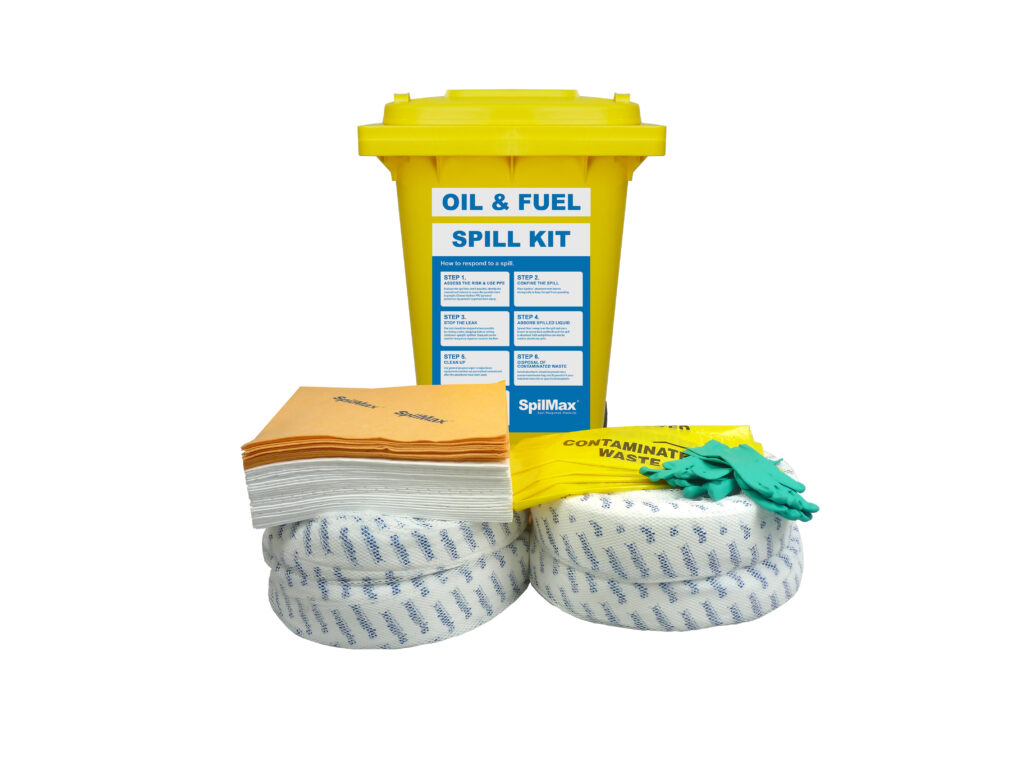
240L Oil & Fuel Marine Spill Kit
$577.50 (inc. GST)
Extra Information
Spill Control Equipment
Complete Spill Control Equipment for Australian Operations
Spill control equipment is the gear a site keeps on hand to contain, absorb and clean up a liquid release before it reaches soil or stormwater. It covers spill kits, absorbents, floor sweep, spill mats, emergency eye wash and safety showers, and the PPE worn while it is dealt with.
Akuna Services has supplied spill control equipment to Australian sites since 2016. We are 100 per cent Australian owned and operated, we ship Australia wide, and orders placed before 11 am are dispatched the same day. The range sits alongside containment, stormwater and sediment control, so one order covers what an auditor asks to see.
2016
Supplying Australian sites since
11 am
Order cut off for same day dispatch
Australia wide
Shipping from Pendle Hill NSW
100%
Australian owned and operated
On this page
- 01What Spill Control Equipment Covers and Why It Matters
- 02Our Range of Spill Kits, Absorbents and Spill Mats
- 03Absorbent Pads, Rolls, Booms, Pillows and Floor Sweep
- 04Emergency Eye Wash, Safety Showers and PPE
- 05Spill Control Equipment by Industry
- 06Setting Up Spill Control Across Yards, Sheds and Vehicles
- 07Matching Absorbent Type to the Liquids on Site
- 08One Australian Supplier for Your Whole Spill Program
- 09Servicing, Restocking and Inspection Support
- 10Building a Spill Control Setup From the Ground Up
- 11FAQs
What Spill Control Equipment Covers and Why It Matters
Spill control is the response half of your liquid program. Containment is the prevention half: bunded pallets, decks and berms stop a leak becoming a spill.
Under the WHS Regulations 2011 a PCBU must manage risks from hazardous chemicals, which includes a clean up capability appropriate to the quantities held. AS 1940-2017 governs flammable and combustible liquids, AS 3780 covers corrosives and AS/NZS 1596 applies to LP Gas.
The test an auditor applies is simple: can the site contain the largest credible release, with materials close enough to reach in minutes and records proving inspection. A 205 litre drum of waste oil needs a response rated to 205 litres.
Our Range of Spill Kits, Absorbents and Spill Mats
Spill kits come in oil and fuel, chemical, universal and marine chemistries, in workplace and vehicle formats, with refills so you restock rather than rebuy.
| Kit type | Absorbs | Typical placement |
|---|---|---|
| Oil and fuel | Hydrocarbons, repels water | Fuel bays, plant yards, workshops |
| Chemical | Acids, alkalis, solvents | Chemical stores, dosing rooms |
| Universal | Most liquids, including unknowns | Docks, manufacturing, mixed storage |
| Marine | Hydrocarbons on water | Wharves, barges, waterfront plant |
Workplace kits come in wheelie bin formats including 140 litre and 240 litre capacities, with floor sweep versions where granular absorbent suits the surface, and larger chemical kits run to around 55 kg to 60 kg fully stocked. Spill mats and wash mats sit under the point of transfer.
Absorbent Pads, Rolls, Booms, Pillows and Floor Sweep
Loose absorbents do the work of the kit, and format matters more than brand.
- Pads for drips, benchtops and small pooled liquid
- Rolls for long runs under pipe racks and conveyor lines
- Socks to ring a spill and dam a doorway or kerb
- Booms for larger volumes and for use on water
- Pillows for residue at low points, sumps and drip trays
- Floor sweep and wipes for rough surfaces and final clean down
Absorbed waste stays classified as the liquid it took up, so decide the disposal path before the spill.
RelatedAbsorbents →
Emergency Eye Wash, Safety Showers and PPE
Where a site handles corrosives or solvents, spill control equipment protects the person, not just the ground. We supply emergency shower and eye wash units, including portable eye wash test kit wheelie bins with a water sight gauge, so the level is verifiable on an inspection walk.
PPE belongs here because an auditor checks it is present and sized for the people who would use it. Gloves, eye protection, coveralls and respiratory protection should match the safety data sheets for the liquids held. Fixed units need documented inspection, which we offer onsite.
RelatedEye Wash and Safety Shower Inspection →
Spill Control Equipment by Industry
- Civil and construction: fuel and hydraulic oil at the laydown, with a council or principal contractor asking for the sediment control plan
- Industrial: mixed chemistries and hard stand draining to stormwater
- Mining and exploration: remote sites, large diesel volumes, long resupply times
- Logistics and transport: vehicle kits in every prime mover, kits at the dock
- Utilities: transformer oil and dosing chemicals sitting over drainage
- Local government and defence: depots, works yards and wharf work
Setting Up Spill Control Across Yards, Sheds and Vehicles
Build the layout around travel time. A worker should reach a kit within roughly 30 seconds of noticing a release, which means one within about 20 to 30 metres of every liquid handling point, and a vehicle kit in every mobile asset carrying liquids.
- 1Map the liquids. Every location holding more than about 20 litres, with volume and SDS chemistry.
- 2Size the response. Match absorbent capacity to the largest container there, then hold refills centrally.
- 3Place and sign it. Visible, unobstructed, never used as storage.
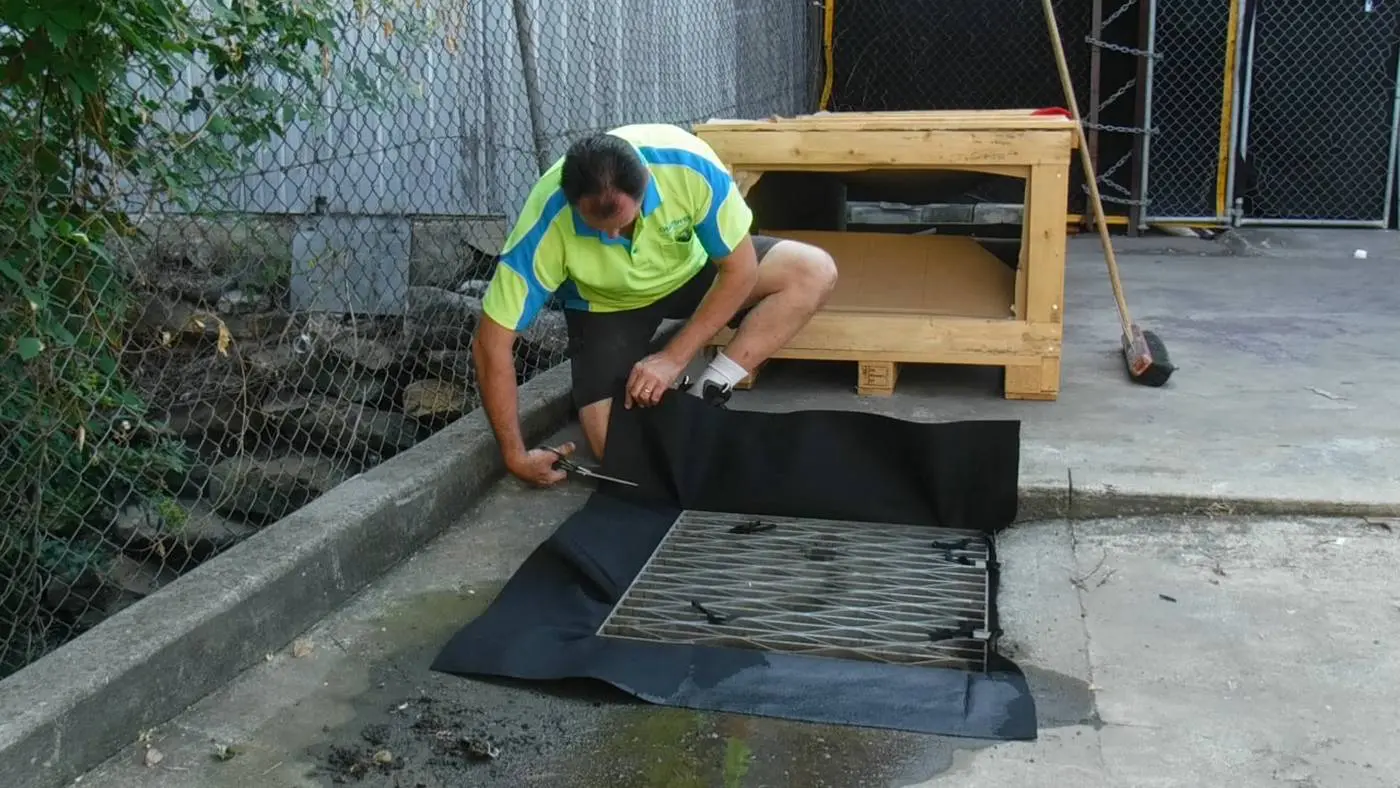
- 4Protect the drains. Pair each outdoor kit with a drain cover or seal.
- 5Train the people. A kit on the wall is not capability until someone has opened it.
RelatedDrain Covers →
Matching Absorbent Type to the Liquids on Site
Get this wrong and the absorbent either fails or reacts. Oil and fuel absorbent is hydrophobic, taking hydrocarbons and rejecting water, which is right at a wharf and wrong in a caustic dosing room. Chemical absorbent copes with acids and alkalis that degrade standard polypropylene, and universal suits areas where staff may meet an unknown liquid.
Work the volumes.
Worked example
- A 1,000 litre IBC bunded to 110 per cent needs 1,100 litres of containment.
- If the bunded pallet holds that, the kit only handles splash and decanting loss, so a 140 litre kit is proportionate.
- The same IBC on bare hard stand makes a 240 litre kit plus refills the minimum.
RelatedBunded Pallets →
One Australian Supplier for Your Whole Spill Program
Buying spill control, containment, stormwater and sediment control from one supplier removes the gaps that appear when vendors each assume somebody else covered the drain. We stock Chatoyer, SpilMax, DrainSAFE, Ecocoast, Ultratech and Accumax Global, and are a direct distributor of Ecocoast and a supporter of The Ocean Cleanup Project.
- Australian owned and operated, based at Pendle Hill NSW 2145
- Same day dispatch before 11 am, delivered Australia wide
- Data sheets, SDS and catalogues, and one paper trail for procurement and audit
Servicing, Restocking and Inspection Support
A kit stocked three years ago and opened twice since is a finding waiting to happen. Our spill kit servicing and maintenance program covers supply, auditing and management across a whole site, so the register stays current without your team walking the yard.
We also deliver environmental risk assessment, eye wash and safety shower inspection, and stormwater product installation. These onsite services are primarily New South Wales based, with limited coverage into Queensland and Victoria through contractors and partners.
Spill response training runs as a 60 to 90 minute practical workshop aimed at ISO 14001 compliance requirements, at Sydney metro locations on weekdays.
RelatedSpill Response Training →
Building a Spill Control Setup From the Ground Up
Start with a walk and a list: every liquid, every volume, every drain near it. That document drives kit sizing, the containment decision and the training plan, and an auditor will ask to see it.
From there the build is straightforward: containment under the storage, spill control equipment beside it, drain protection downstream, PPE and eye wash for the people, and a servicing schedule that keeps it verifiable. Where the setup is thin, fix the highest consequence gap first, usually the unprotected drain beside the largest container.
Tell us what your site holds and where it drains and we will specify the kits and containment to match. Call 1300 912 949 or order online for same day dispatch before 11 am.
FAQs
How do I work out what size spill kit my site needs?
Size the response to the largest single container that could fail there, then check what containment is already under it. A 205 litre drum on bare concrete needs a kit rated to that volume, while the same drum on a bunded pallet holding 110 per cent of its capacity needs only enough for splash and decanting loss.
Will this equipment satisfy an environmental auditor?
An auditor looks for capability matched to your volumes and chemistries, placement close enough to be usable, and records proving inspection and restocking. Our products come with data sheets and SDS documentation for your environmental management system, and our servicing program produces the record.
What is the difference between oil and fuel, chemical and universal absorbents?
Oil and fuel absorbent is hydrophobic, so it takes hydrocarbons and repels water, making it right on water and in fuel bays. Chemical absorbent handles acids, alkalis and solvents that break down standard product, and universal takes most liquids including unknowns.
Do you service spill kits on site, or only supply them?
Both. Our servicing and maintenance program handles supply, auditing and management across a whole site, and we also offer environmental risk assessment and eye wash and safety shower inspection. These services are primarily available in New South Wales, with limited coverage into Queensland and Victoria.
Want to book a spill training session?
Get in touch with our expert team and we will guide you through the process.