
Resource Hub
Rapid Deploy Oil Spill Containment Boom: Speed Matters in Emergency Response

Categories
Share

Why Fast Deployment Is Critical in Spill Control
When an oil spill occurs, every minute counts. A hose failure during refuelling, a ruptured hydraulic line or plant malfunction can release hydrocarbons that spread quickly across the water surface.
In both marine and inland environments, delayed containment increases the affected area, raises clean up costs and exposes operators to regulatory action. For ports, transport depots and industrial facilities near water, a rapid deploy oil spill containment boom is essential for immediate response.
Fast containment limits environmental damage, protects infrastructure and supports compliance with Australian environmental legislation.
The Cost of Delayed Oil Spill Containment
Oil can travel rapidly across calm water and move even further in tidal or flowing conditions. Without prompt action:
- Contamination spreads beyond the source area
- Shorelines and stormwater systems are affected
- Wildlife and aquatic ecosystems are exposed
- Recovery becomes more complex and costly
- EPA reporting and enforcement risks increase
Under legislation such as the Protection of the Environment Operations Act 1997 in NSW, operators must prevent water pollution and minimise harm. Failure to act quickly can increase liability and penalties.
Spill equipment must not only be available, but also ready for immediate deployment.
What Is a Rapid Deploy Oil Spill Containment Boom?
A rapid deploy oil spill containment boom is engineered for fast installation during emergency situations. Unlike permanent or heavy duty containment systems, these booms are designed for speed, mobility and ease of handling.
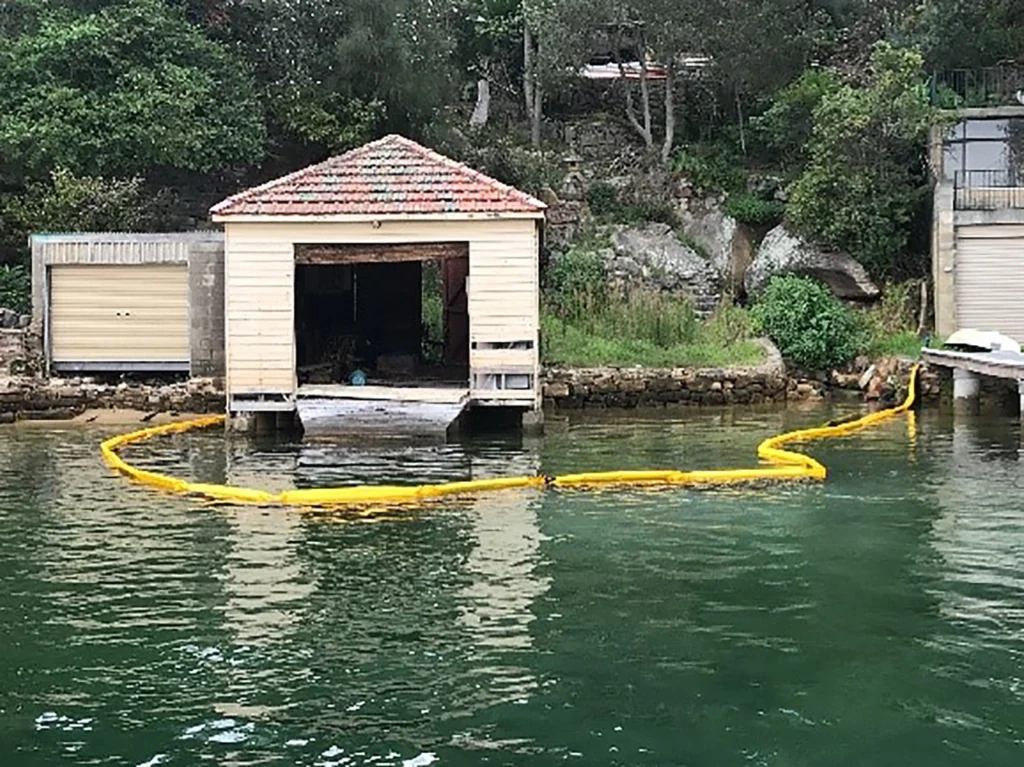
Stored in ready to use configurations, they can be deployed as soon as a spill is identified. Once in position, the boom forms a floating barrier that contains or diverts oil, preventing further spread.
Rapid deploy booms are a critical component of any spill response plan where there is a risk of water contamination.
Key Features of Rapid Deploy Oil Spill Booms
The effectiveness of a rapid deploy boom depends on practical design features that support fast response.
- Lightweight construction
Allows personnel to deploy the boom quickly without specialised lifting equipment.
- Modular sections
Interconnecting lengths enable the containment area to be adjusted based on spill size and site conditions.
- Easy towing and positioning
Designed to be manoeuvred by small vessels, making them ideal for ports, marinas and larger water bodies.
- Compact storage
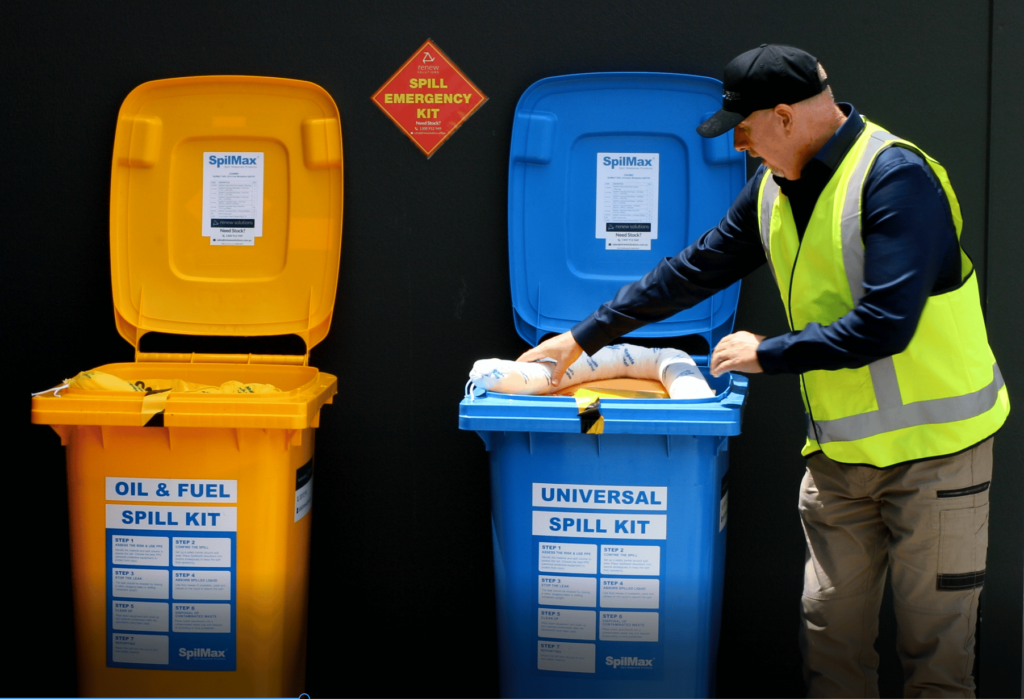
Can be stored in spill kits, trailers or containment stations located near high risk areas for immediate access.
Applications for Rapid Deploy Containment Systems
Rapid deploy oil spill containment booms are suitable for a range of high risk environments:
- Ports and marinas
Control fuel spills during vessel operations and refuelling.
- Transport depots and logistics facilities
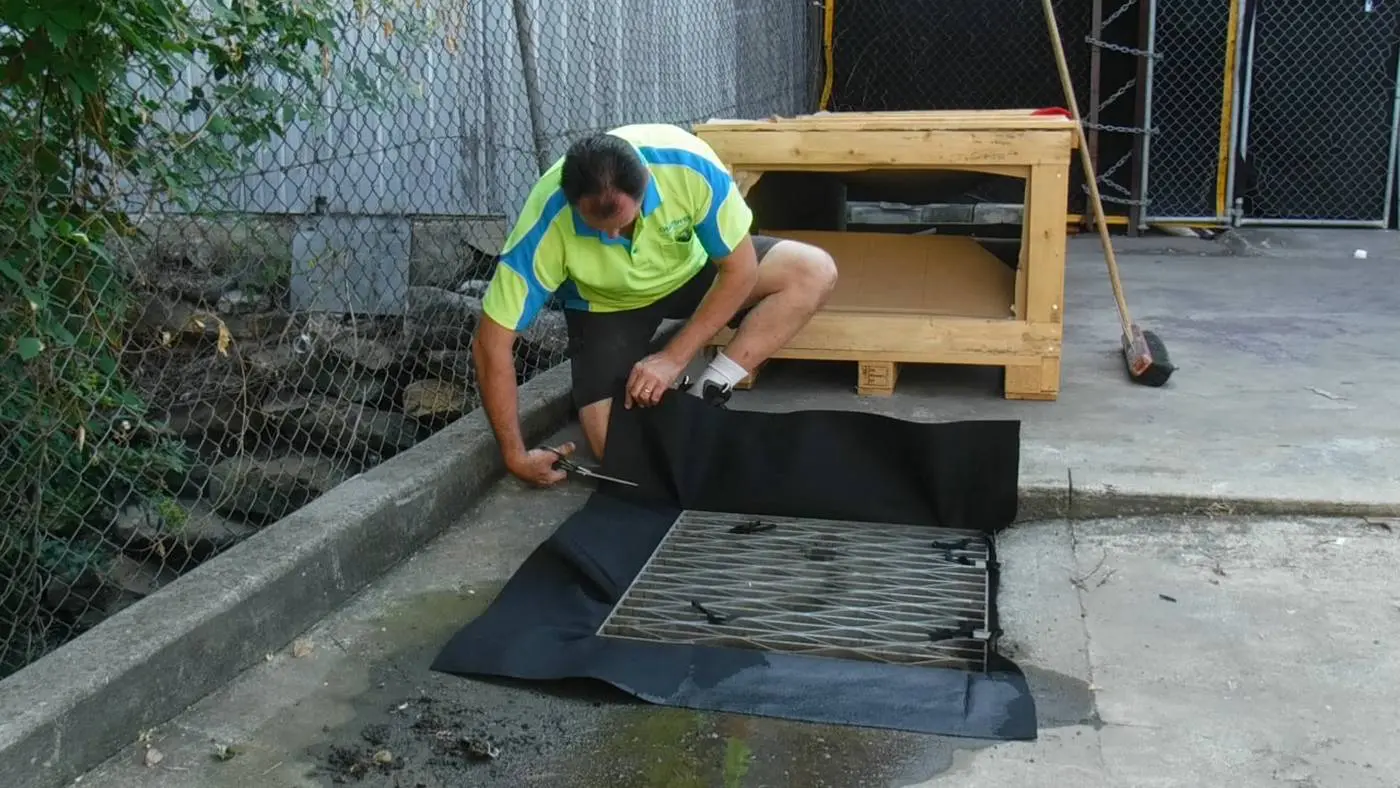
Protect stormwater drains and nearby waterways from hydrocarbon runoff.
- Industrial and manufacturing sites
Support environmental compliance where operations occur near rivers, dams or coastal waters.
- Construction and infrastructure projects
Provide temporary spill control for works conducted adjacent to water.
Positioning rapid deploy booms within emergency response kits ensures site personnel can respond immediately while additional resources are arranged.
Be Prepared for Immediate Spill Response
Oil spills are unpredictable, but preparedness reduces risk. A properly specified rapid deploy oil spill containment boom enables fast containment, limits environmental impact and supports EPA compliance.
Ensuring equipment is accessible and suited to your site conditions is critical for effective spill control.