
Resource Hub
Dewatering Filter Bags for Construction Placement Guide
Categories
Share
Why Dewatering Filter Bags for Construction Must Be Placed Correctly
Dewatering filter bags for construction are one of the most effective tools for managing sediment laden water on site. However, their performance depends heavily on correct placement.
If installed properly, these filtration systems reduce sediment discharge, protect waterways, and support compliance. If placed incorrectly, they can fail quickly and create environmental risks.
For contractors and site managers, understanding best placement practices is essential for achieving reliable sediment control.
The Problem with Poor Dewatering Bag Placement
Incorrect placement of dewatering filter bags for construction can lead to several issues:
- Water bypassing the filtration system
- Overflow and uncontrolled discharge
- Reduced filtration efficiency
- Sediment entering stormwater drains
- Increased risk of EPA non compliance
These issues often result in costly delays, clean up work, and regulatory penalties.
Best Placement Practices for Dewatering Filter Bags for Construction
1. Use a Stable and Level Base
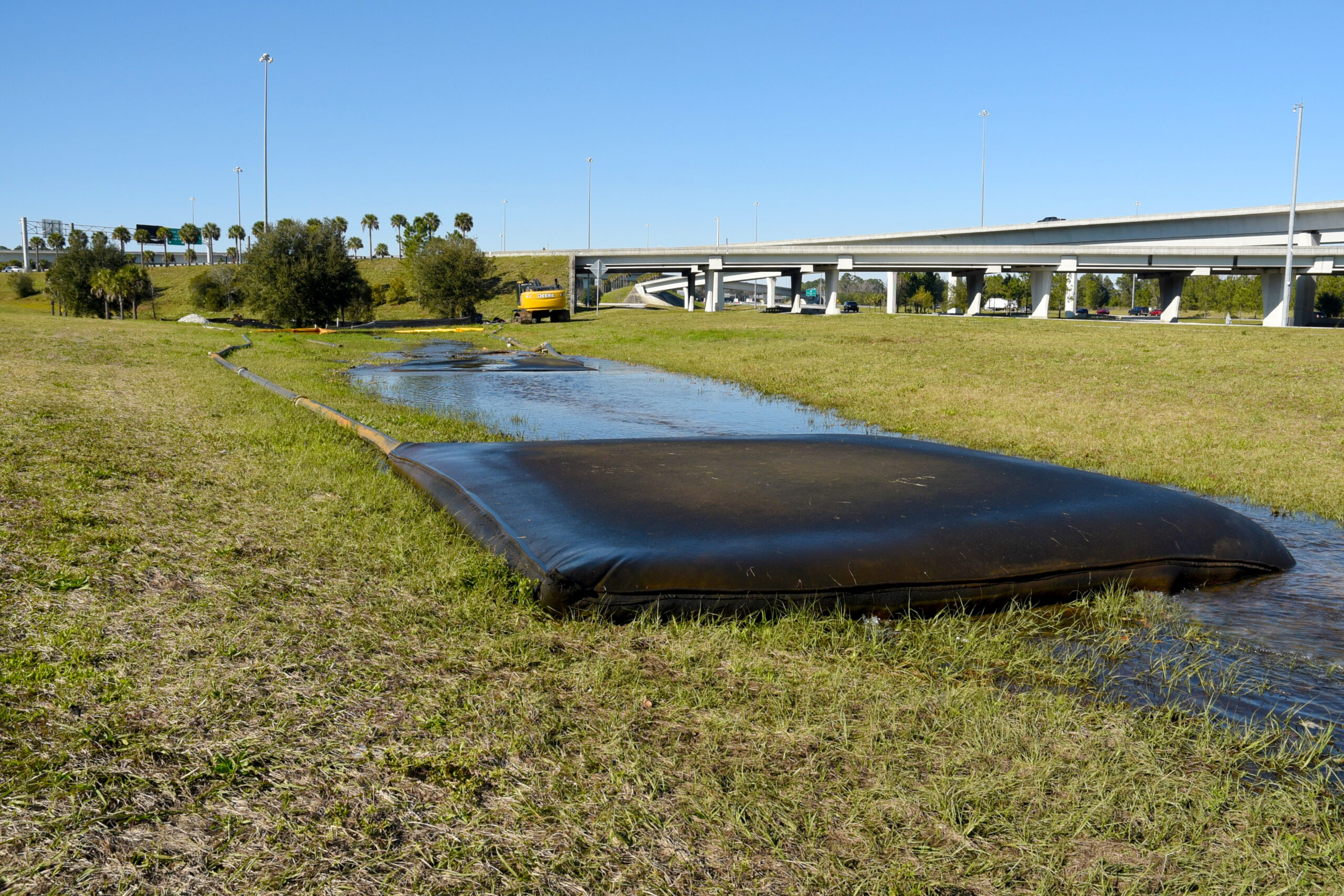
Always place dewatering filter bags for construction on firm, level ground. This ensures even water distribution and effective filtration.
Avoid soft or uneven surfaces. Use compacted soil or gravel pads where needed.
2. Position According to Site Slope
A gentle slope helps filtered water disperse safely. Avoid steep slopes, as they can:
- Increase flow speed
- Reduce filtration time
- Cause instability
Correct positioning improves both performance and longevity.
3. Keep Away from Drains and Waterways
Never place bags directly next to stormwater drains or natural waterways.
Maintain a safe buffer to reduce the risk of untreated discharge.
4. Secure the Discharge Hose
Ensure hoses are tightly fitted and directed into the centre of the bag.
Loose connections are a common cause of failure and leakage.
5. Allow Space for Water Dispersal
Filtered water must disperse gradually. Choose an area where water will not pool or cause erosion.
Use additional controls such as geofabric or rock if required.
6. Monitor Performance Regularly
Check bags during operation for:
- Overflow
- Clogging
- Reduced flow
Early adjustments prevent system failure.
Dewatering Filter Bags for Construction
High quality dewatering filter bags for construction should deliver consistent performance under demanding conditions.
Akuna dewatering bags include:
- 260 gsm non woven geotextile for strength and filtration
- Flow rate of 60 L/m²/sec for efficient water handling
- Filters silt and absorbs hydrocarbons, improving water quality
- Fits discharge hoses up to 100 mm for flexible use
- Optional hose connector for fast and secure installation
- Heavy duty construction for long term site use
These features ensure reliable filtration when combined with correct placement.
Applications Across Construction Projects
Dewatering filter bags for construction are widely used in:
- Civil construction and subdivisions
- Road and infrastructure works
- Utility trenching and pipelines
- Mining and industrial operations
Their simplicity and reliability make them a preferred sediment control solution.
Get Expert Advice
Correct placement is critical to performance. Every site has different conditions.
👉 Speak with our team for tailored advice on using dewatering filter bags for your site.
References
NSW Government (Landcom). Managing Urban Stormwater: Soils and Construction (Blue Book)
https://www.environment.nsw.gov.au/topics/water/water-quality/managing-urban-stormwater
EPA Victoria. Environmental Guidelines for Construction Sites
https://www.epa.vic.gov.au/for-business/find-a-topic/construction
IECA Australasia. Best Practice Erosion and Sediment Control Guidelines
https://www.austieca.com.au
Queensland Government. Erosion and Sediment Control Design Guidelines
https://www.qld.gov.au/environment/land/management/erosion
US Environmental Protection Agency (EPA). Construction Stormwater Discharge Requirements
https://www.epa.gov/npdes/stormwater-discharges-construction-activities