
Resource Hub
Turbidity Curtain to Prevent Sediment Migration: Protecting Sensitive Ecosystems
Categories
Share
Sediment migration is a major environmental risk on construction and maintenance projects near waterways. When soil, silt and fine particles are disturbed, they can easily enter rivers, lakes and coastal areas, spreading far beyond the work zone. Without proper controls, this sediment can cause long-term damage to sensitive ecosystems and place projects at risk of non-compliance.
Why Sediment Migration Is Harmful
Sediment doesn’t just cloud the water, it fundamentally alters aquatic environments. Fine particles reduce light penetration, smother habitats and disrupt natural processes. Once sediment is mobilised, it can travel downstream, affecting areas well beyond the original site and making remediation far more difficult and costly.

Impact on Aquatic Life and Water Quality
Excess sediment in waterways can have serious consequences for aquatic life. Fish, seagrass, coral and macroinvertebrates rely on clean, oxygen-rich water to survive. Elevated turbidity can clog fish gills, reduce feeding efficiency and damage breeding grounds.
From a water quality perspective, sediment can carry nutrients and contaminants, contributing to algal blooms and long-term degradation of waterways. For project owners and contractors, these impacts often lead to regulatory scrutiny, project delays and potential fines.
Turbidity Curtains as a First Line of Defence
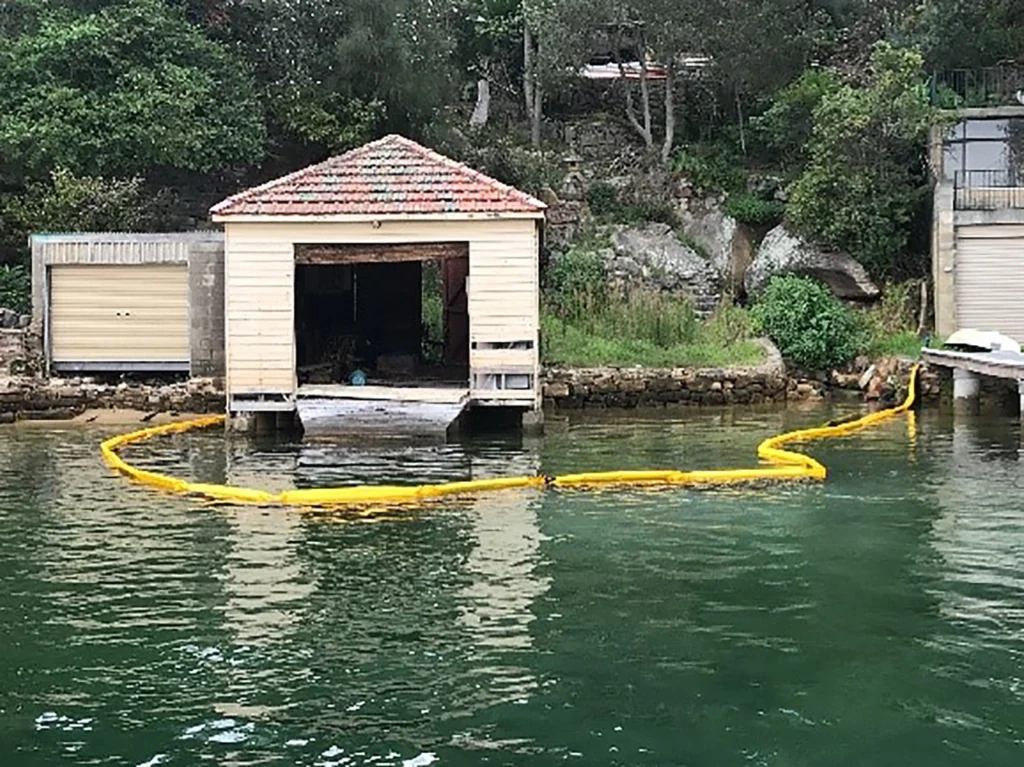
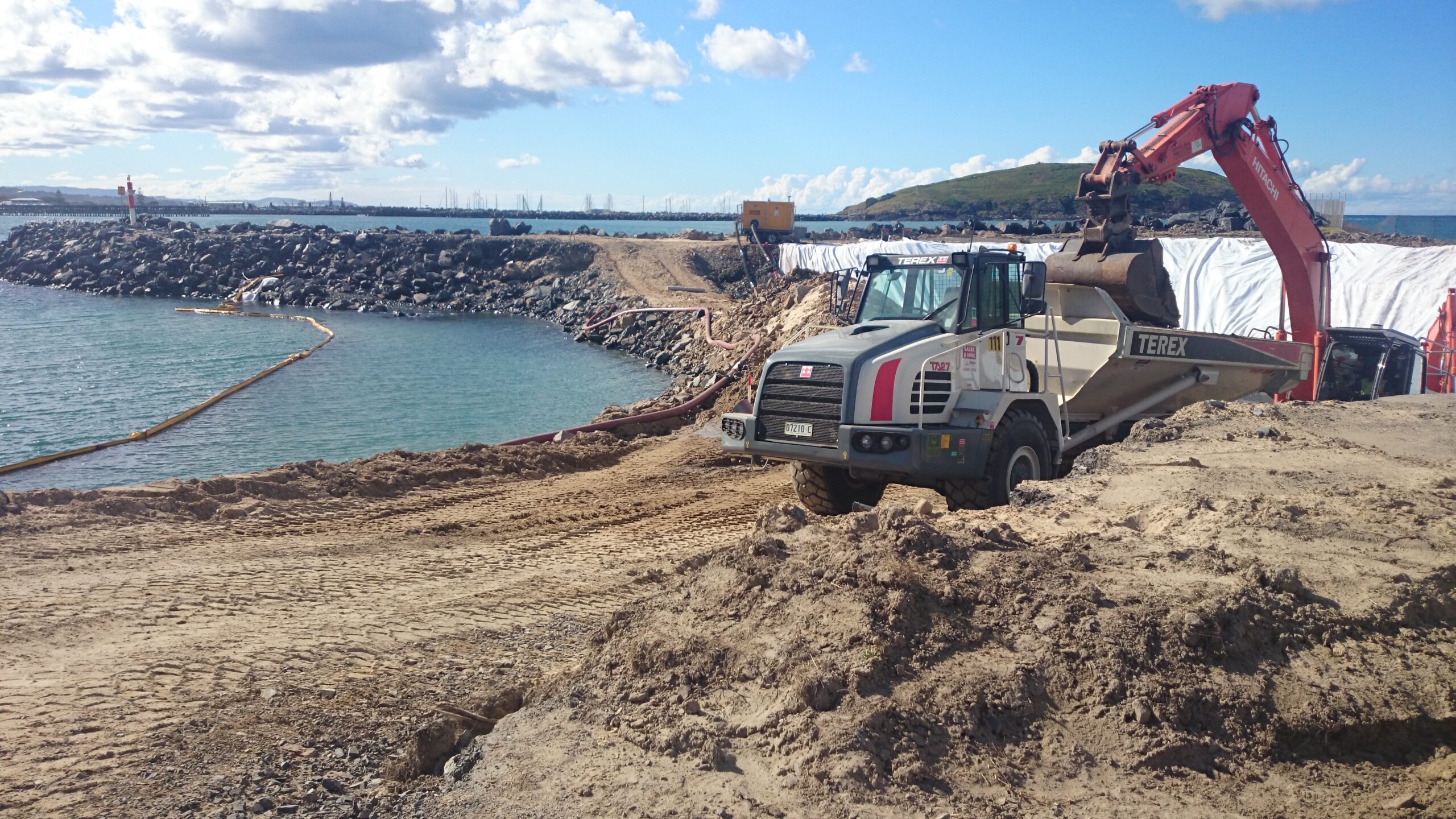
Turbidity curtains (also known as silt curtains or silt screens) are one of the most effective tools for preventing sediment migration in aquatic environments. Installed directly in the water, they form a vertical barrier that contains suspended sediment within a defined area, allowing particles to settle naturally before spreading.
As a temporary control measure, turbidity curtains are ideal for works such as marine construction, dredging, bridge works, shoreline stabilisation and civil projects near water. When correctly specified and installed, they act as the first and most critical line of defence for protecting surrounding waterways.
Key Benefits for Projects and the Environment
Environmental Protection
By limiting sediment movement, turbidity curtains help safeguard aquatic habitats and maintain water quality during construction activities.
Regulatory Compliance
Effective sediment containment supports environmental management plans and helps meet local, state and federal compliance requirements.
Cost Savings
Preventing sediment spread reduces the risk of fines, stop-work notices and costly remediation — saving time and money over the life of a project.
Flexible and Reusable
High-quality turbidity curtains are durable, adaptable to site conditions and can be reused across multiple projects when properly maintained.
Protect Waterways from Day One
Sediment control is most effective when planned early. Turbidity curtains provide a proven, practical solution for managing in-water sediment risks and protecting sensitive ecosystems throughout the construction process.
👉 Book a site assessment today to ensure the right turbidity curtain solution is in place for your project.