
Resource Hub
Turbidity Curtains for Dredging Projects: Why They Are Essential for Sediment Control
Categories
Share
The Role of Dredging in Waterway Projects
Dredging is fundamental to the development and maintenance of waterways across Australia. It supports safe navigation, port and marina construction, flood mitigation, shoreline restoration, and environmental remediation. From major harbours to inland rivers and estuaries, dredging underpins economic activity while enabling critical infrastructure projects to proceed.
However, dredging inevitably disturbs the seabed or riverbed. Without appropriate controls, this disturbance can have significant environmental and regulatory consequences.
Sediment Migration and Environmental Impact
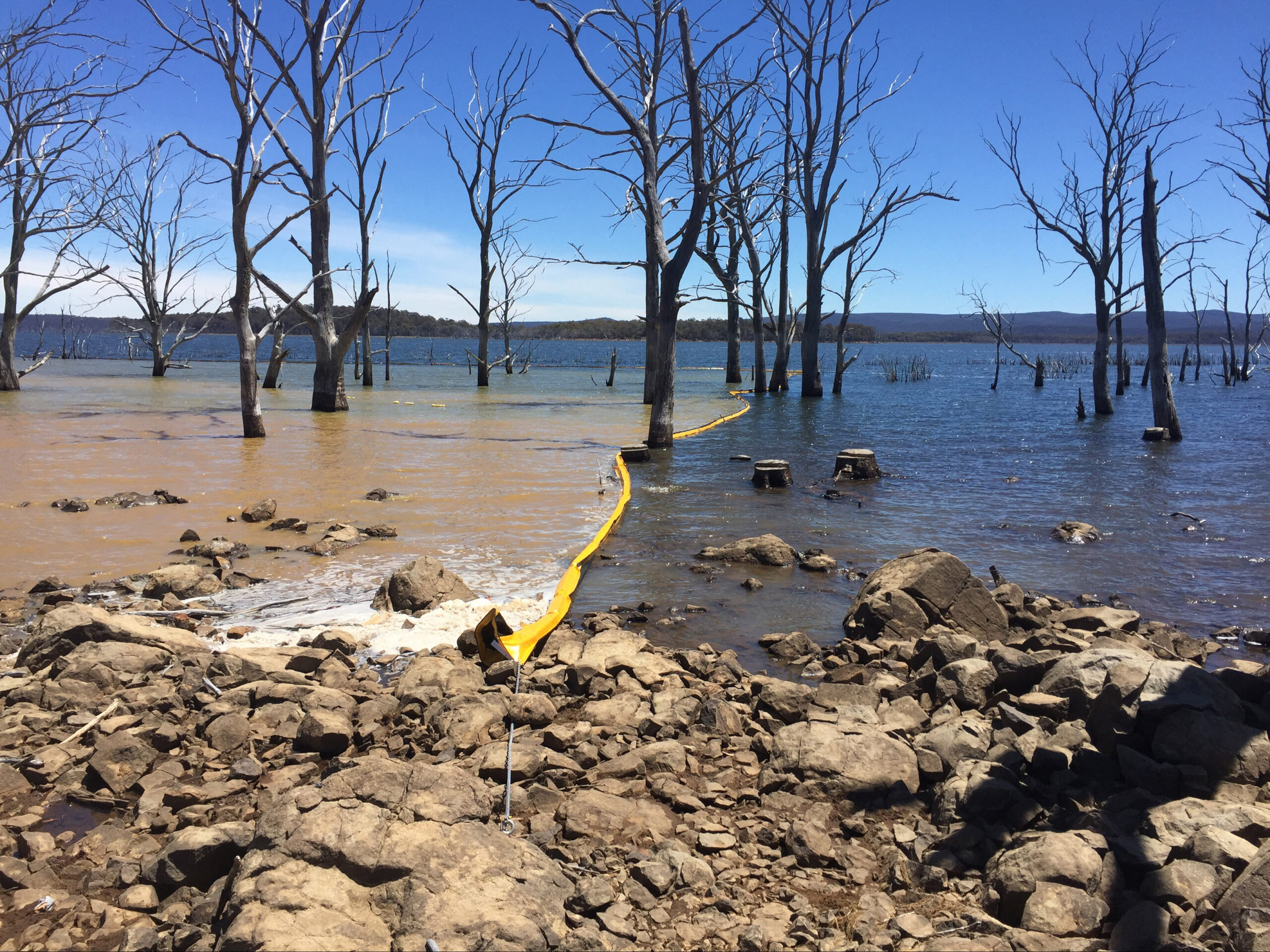
When dredging activities agitate sediments, fine particles become suspended in the water column and can migrate well beyond the designated work area. This increases turbidity and reduces light penetration, directly affecting aquatic ecosystems.
Uncontrolled sediment migration can result in:
- Smothering of seagrass, coral, and benthic habitats
- Disruption to fish feeding and breeding cycles
- Declines in water quality and oxygen levels
- Increased risk of breaching environmental approvals and licence conditions
For project owners and contractors, this can translate into compliance failures, project delays, remediation costs, and reputational risk.
Turbidity Curtains as a Critical Control Measure
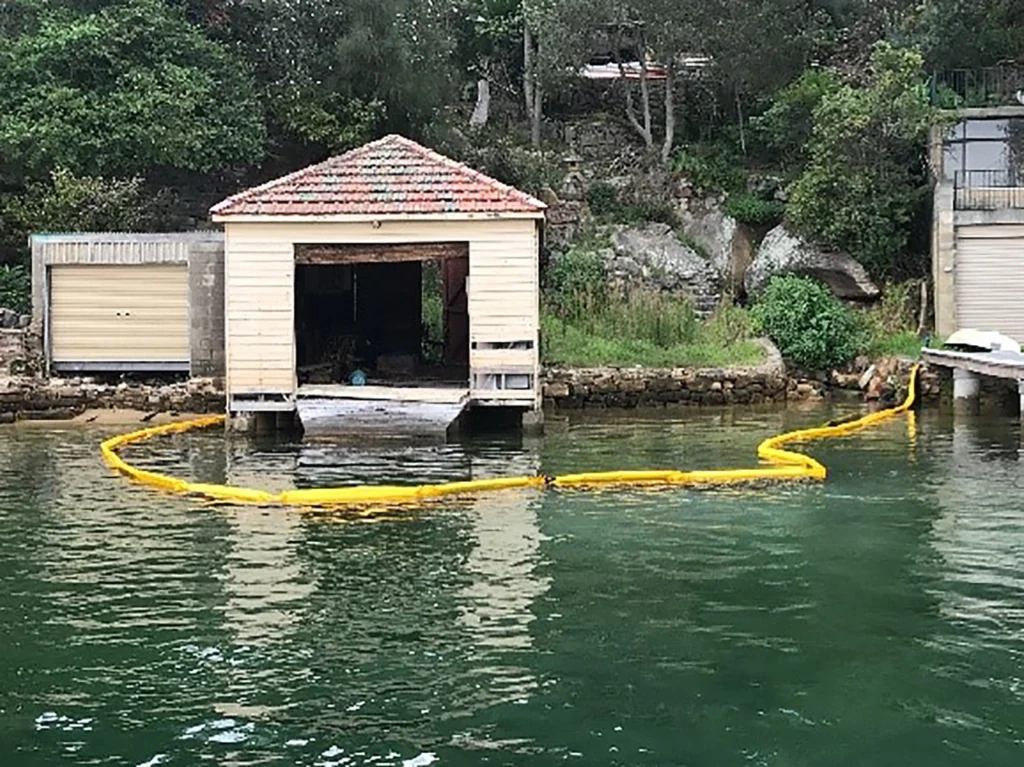
Turbidity curtains, also referred to as silt curtains, are a proven and widely accepted method for managing sediment dispersion during dredging works. These floating containment systems create a physical barrier around the active work zone, allowing suspended sediments to settle before they can spread into surrounding waterways.
When correctly specified and installed, turbidity curtains help:
- Contain sediment within the dredging footprint
- Protect environmentally sensitive areas downstream
- Support compliance with environmental management plans and approval conditions
They are a practical and effective tool for balancing project delivery with environmental responsibility.
Selecting the Right Turbidity Curtain for Dredging Conditions
Not all dredging environments are the same, and turbidity curtains must be matched to site conditions to perform effectively. Akuna supplies turbidity curtains in three recognised classes to suit varying water conditions and project durations.
Class I
Suitable for calm or sheltered waters with minimal current. Typically used for short-term or low-impact dredging works.
Class II
Designed for moderate currents and semi-exposed environments. Appropriate for longer-term projects requiring increased strength and stability.
Class III
Heavy-duty curtains engineered for strong currents, wave action, and extended deployments. Ideal for large-scale marine and coastal dredging operations.
Correct selection is essential to ensure curtain stability, sediment containment, and regulatory compliance.
Key Benefits of Using Turbidity Curtains in Dredging Projects
- Environmental Protection: Limits sediment pollution and helps preserve aquatic habitats and water quality.
- Regulatory Compliance: Supports adherence to environmental approvals, licence conditions, and best-practice guidelines.
- Risk and Cost Control: Reduces the likelihood of project stoppages, fines, or costly remediation works.
- Reputation and Stakeholder Confidence: Demonstrates a clear commitment to responsible environmental management and sustainable construction practices.
Protect Your Project and the Environment
Effective sediment control is not optional in modern dredging projects. Turbidity curtains are a critical component of responsible waterway management, protecting both the environment and project outcomes.
To learn more about Akuna turbidity curtain systems or to ensure the right specification for your site conditions:
Request a Quote or Download Product Datasheet to get started.