Resource Hub
Environmental Compliance Construction 2026 | NSW Requirements
Categories
Share
Environmental Compliance Construction 2026: What Your Site Needs to Know
Environmental Compliance Construction 2026 requirements are tightening across NSW and Australia. Regulators are now focusing on more than day to day operations, with increased attention on embodied carbon, site resilience, and measurable environmental performance.
For construction companies, this means stricter expectations, clearer accountability, and more frequent compliance checks.
Understanding environmental compliance construction 2026 requirements is essential to avoid penalties, project delays, and long term environmental risk.
Key Government Updates
Sustainable Buildings SEPP NSW
The Sustainable Buildings SEPP is driving the move toward more sustainable and resilient buildings.
It focuses on reducing emissions, improving energy performance, and preparing for extreme weather. For contractors, this means environmental controls on site are now part of a broader compliance framework.
Protection of the Environment Policy for Sustainable Construction
The NSW EPA is developing a new policy focused on sustainable construction.
This policy is expected to introduce clearer standards for managing waste, emissions, and site contamination, increasing expectations across construction projects.
Where Compliance Is Tightening in 2026
Industrial Chemicals Environmental Management Standard (IChEMS)
The Industrial Chemicals Environmental Management Standard is changing how chemicals are managed across Australia.
For construction sites, environmental compliance construction 2026 requirements now include:
- Safe storage of hazardous substances
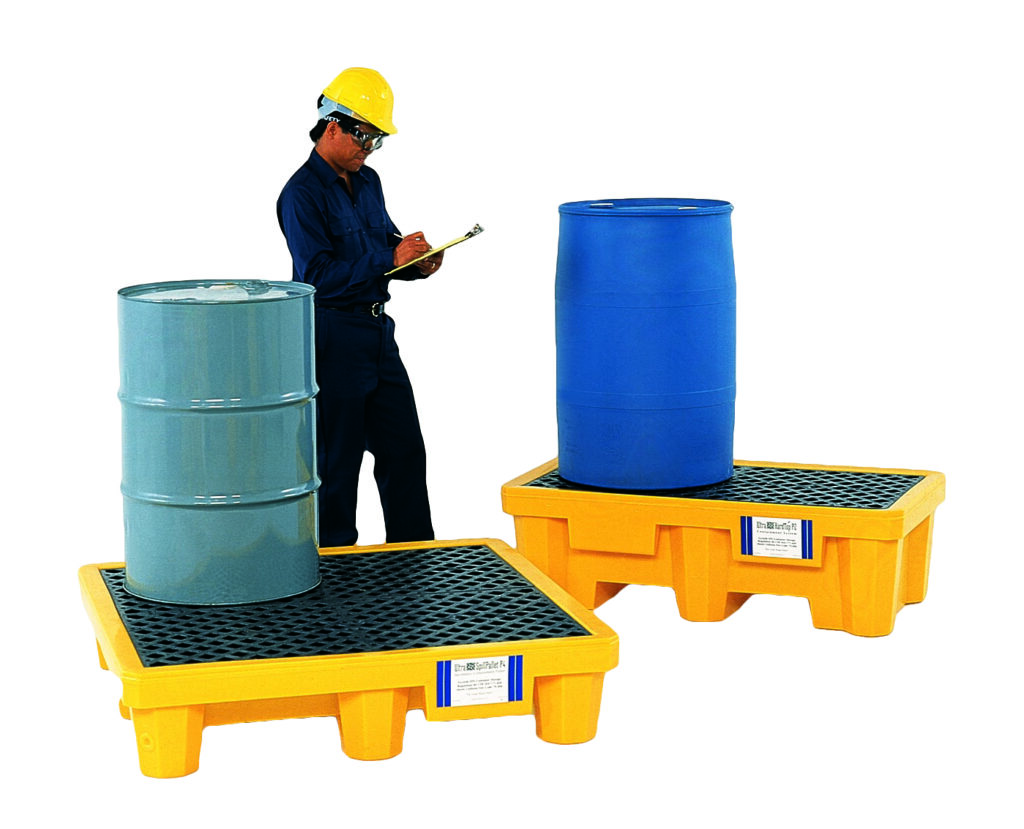
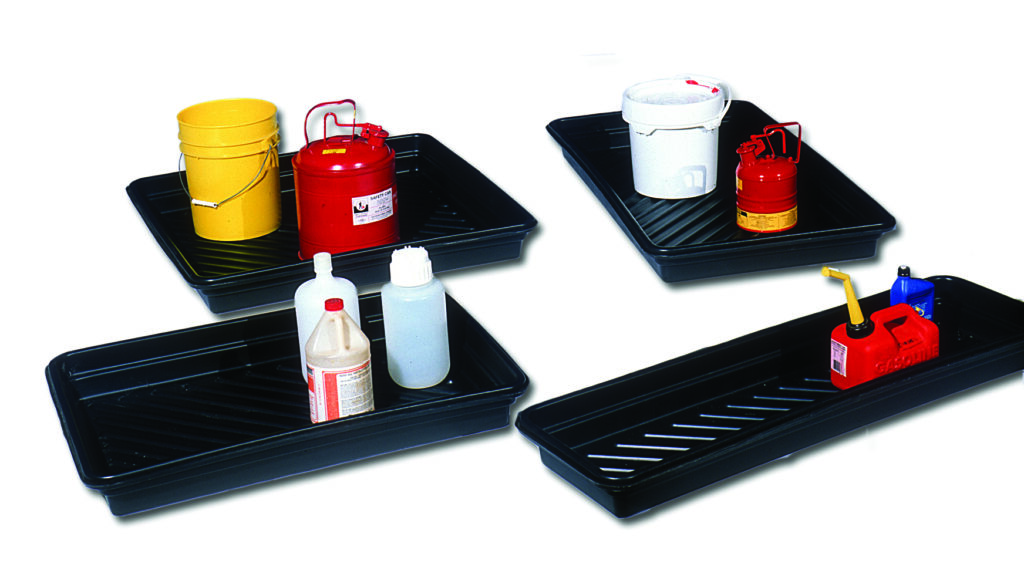
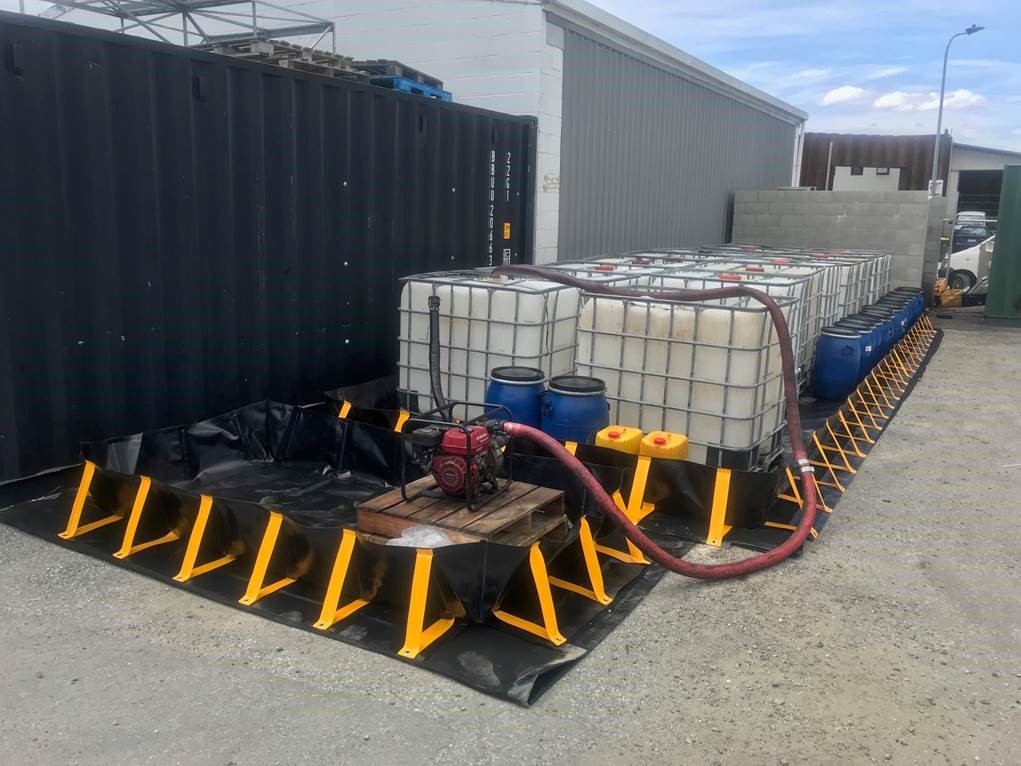
- Secondary containment systems such as bunding
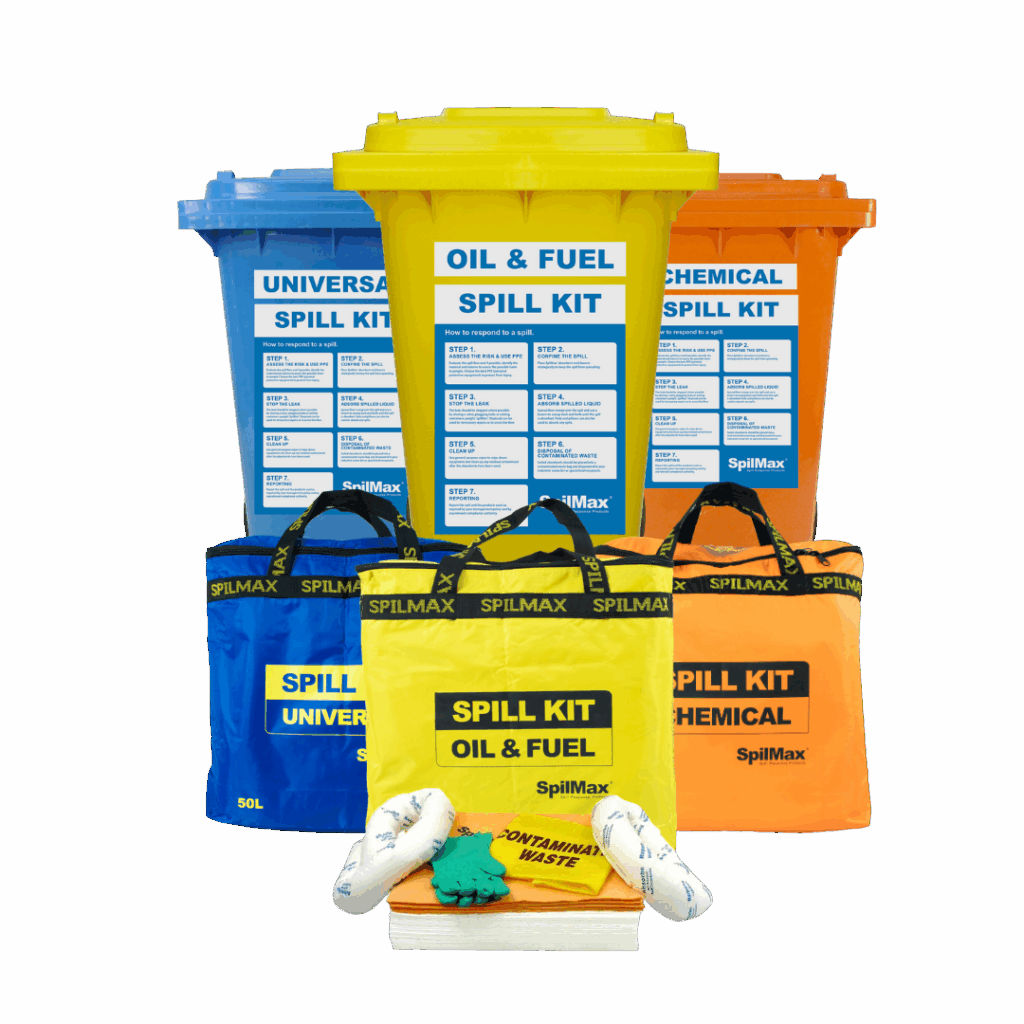
- Immediate spill response capability
Sites that cannot demonstrate proper chemical management will face increased scrutiny.
Stormwater Protection Under NCC 2025
The National Construction Code introduces stronger requirements for stormwater and drainage control.
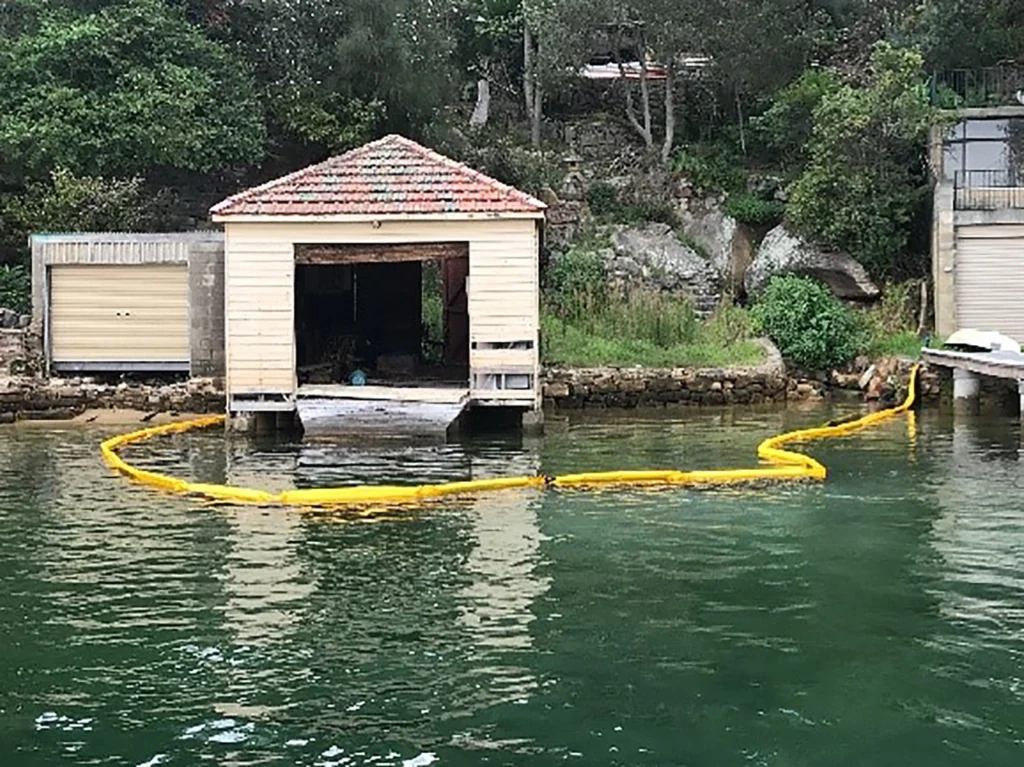
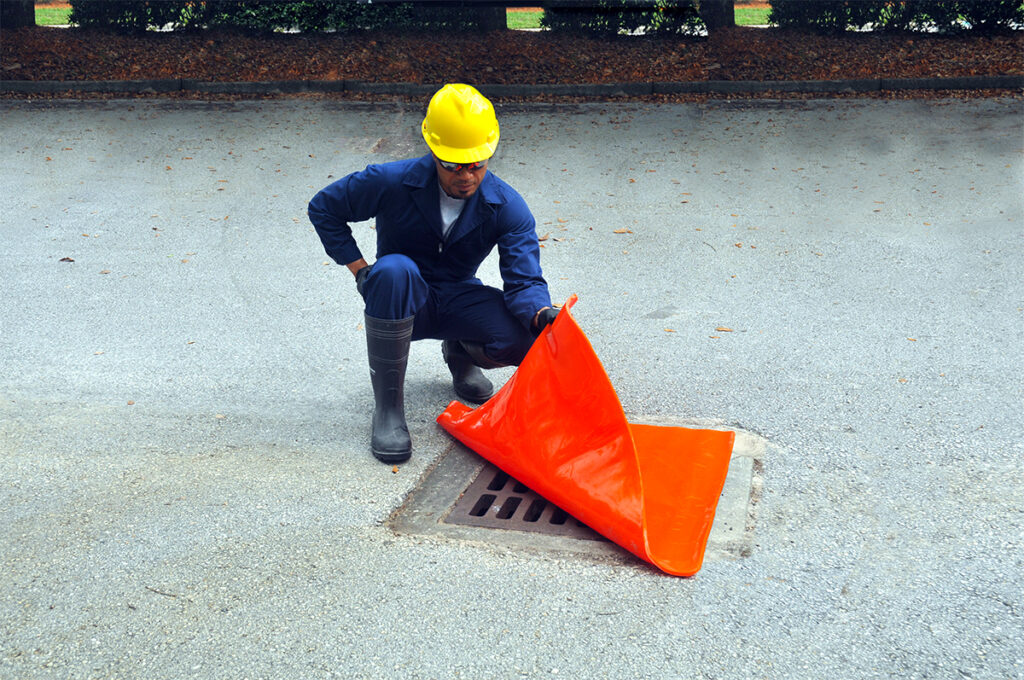
Construction sites must ensure contaminants do not enter stormwater systems. This makes the following essential:
- Bunding around high risk areas
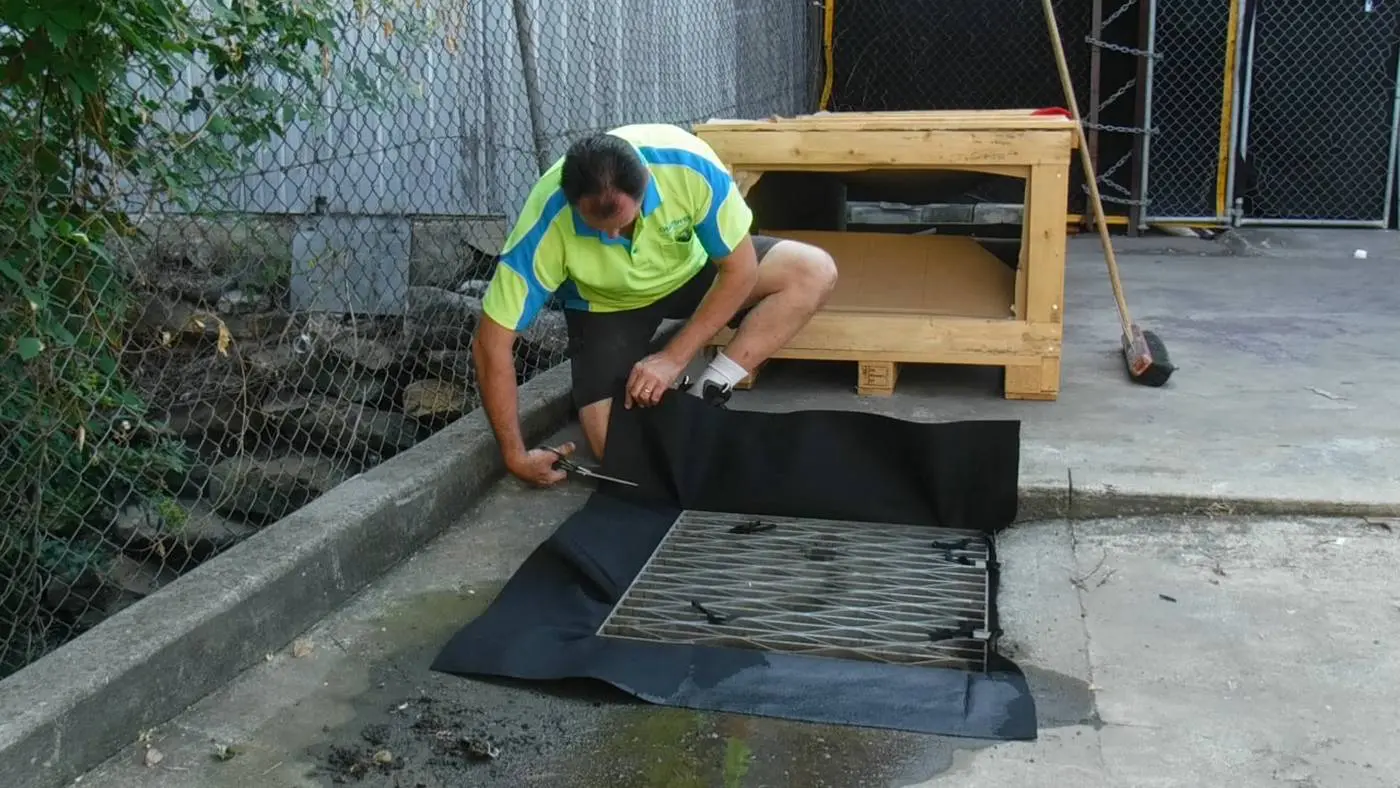
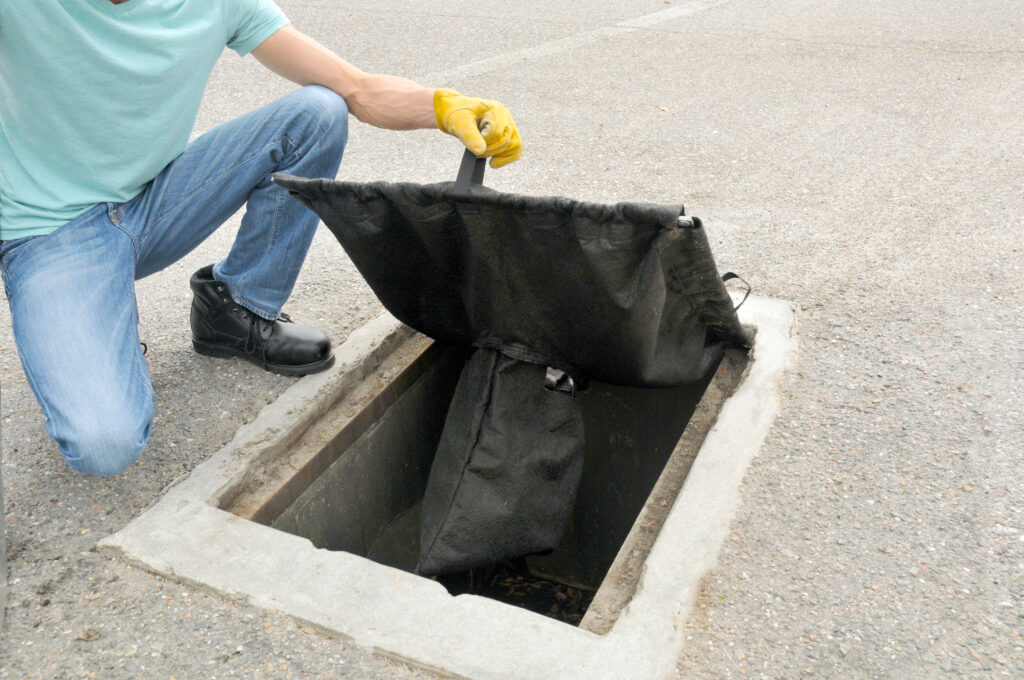
- Drain covers and seals
- Spill containment equipment
These controls are critical for meeting environmental compliance construction 2026 standards.
Stronger Environmental Management Plans
Site Environmental Management Plans are becoming more detailed and enforceable.
Key requirements now include:
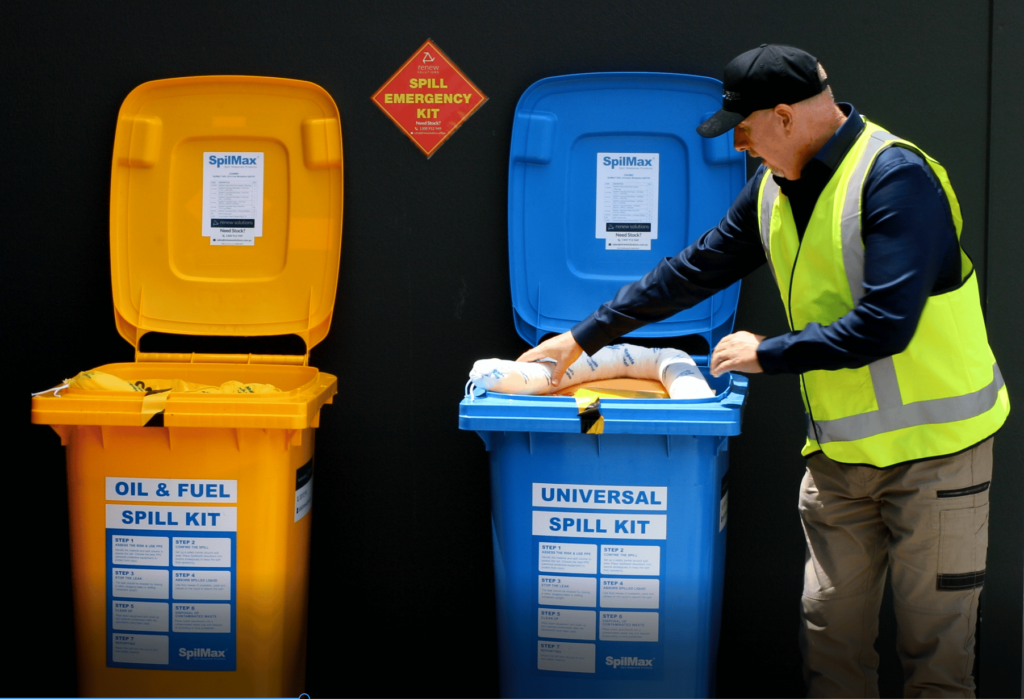
- Spill kits within 15 metres of high risk areas
- Clear spill response procedures
- Fast response to prevent contamination
This reflects a shift toward proactive environmental management.
Proven Competency Requirements
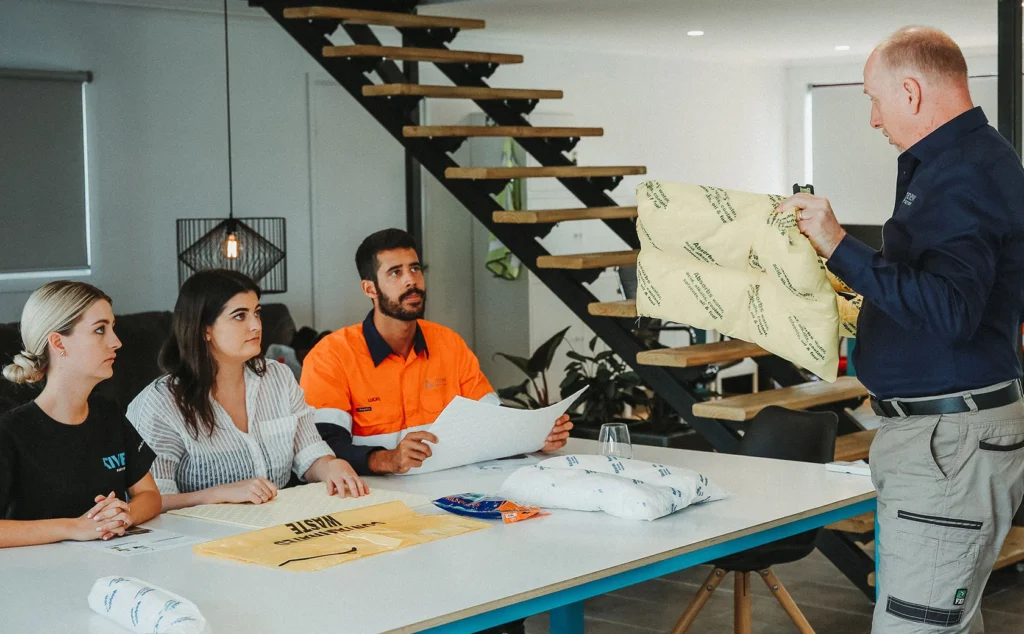
Regulators are now focused on competency, not just equipment.
To meet environmental compliance construction 2026 expectations, sites must show:
- Staff are trained in spill response
- Procedures are understood and followed
- Training is current and documented
Having equipment alone is no longer enough.
What This Means for Your Site
To meet environmental compliance construction 2026 requirements, your site should have:
- Effective containment systems
- Stormwater protection measures
- Active spill response plans
- Trained and competent staff
Compliance is now based on how well systems work, not just what is on site.
How Akuna Supports Your Compliance
We help construction sites meet environmental compliance construction 2026 requirements with practical solutions.
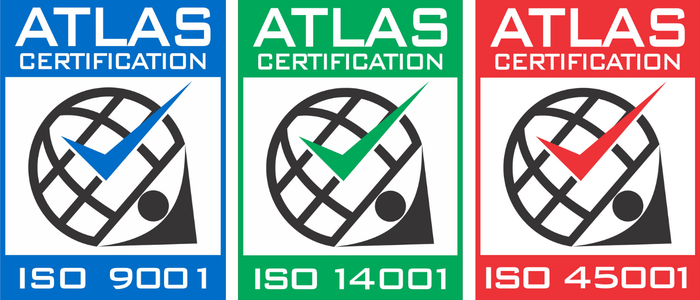
ISO Certified for Quality, Safety and Environmental Management
At Akuna, we are ISO certified across quality, environmental, and safety management systems. This means our products and processes follow recognised standards, helping reduce risk and support your compliance requirements on site.
Site Assessments
We assess your site, identify compliance gaps, and recommend practical improvements.
Environmental Protection Solutions
We supply:
- Spill Kits
- Drain Protection
- Spill Pallets and Trays
- Portable and Floor Bunding
- Eyewash and Safety Stations
What You Need to Know
Environmental compliance construction 2026 requirements are more structured and more enforced.
The key expectations are:
- Prevent issues before they happen
- Respond quickly when they do
- Ensure staff are properly trained
If your site is not aligned with these requirements, now is the time to act.
Need help meeting environmental compliance construction 2026 requirements?
Contact Akuna to book a Site Assessment or a Spill Response Training Session
FAQs
Regulators now require proof that staff are trained to use spill kits correctly. Equipment alone is no longer sufficient.
Environmental compliance is becoming stricter, with more focus on stormwater protection, chemical management, spill response planning, and staff competency.
Spill kits, bunding systems, drain covers, spill pallets, containment trays, and eyewash stations all support compliance.
Akuna provides spill control, bunding, drain protection, and site assessments. We are ISO certified across quality, environmental, and safety systems.
References
- NSW Government. Sustainable Buildings State Environmental Planning Policy (SEPP)
https://www.planning.nsw.gov.au/policy-and-legislation/building-sustainability - NSW Environment Protection Authority (EPA). Environmental guidelines and construction compliance
https://www.epa.nsw.gov.au - Department of Climate Change, Energy, the Environment and Water. Industrial Chemicals Environmental Management Standard (IChEMS)
https://www.dcceew.gov.au/environment/protection/chemicals-management - Australian Building Codes Board. National Construction Code (NCC)
https://ncc.abcb.gov.au - Safe Work Australia. Hazardous chemicals and workplace safety
https://www.safeworkaustralia.gov.au