
Resource Hub
Spill Kit Inspection Checklist and Schedule
Categories
Share
Quick answer
A spill kit inspection checklist is a six point check of contents, absorbent condition, personal protective equipment, containment and disposal gear, signage and access, and the signed record. The inspection takes about ten minutes. Inspect monthly in high risk areas, quarterly everywhere else, and immediately after any use, and sign and date every inspection.
Use the spill kit checklist below as the working document. It is built around what an auditor opens the lid to look for, and structured so a failed line becomes a corrective action with an owner and a due date.
Why spill kits fail when nobody inspects them
Kits do not fail dramatically. They degrade quietly, and the failure is found during the only event that matters. Four paths:
- Cannibalisation. Pads taken for a leaking hose, gloves borrowed, drum half full, nothing logged.
- Contamination. An unsealed bin lets pads absorb rain, wash water or dust, so they are saturated before the spill.
- Wrong kit, right place. A universal kit stationed at an acid store because it was what was on hand at mobilisation.
- Access loss. The kit is still there, but pallets or a locked cage now sit in front of it.
None of those show up on a purchase order. They show up on an inspection or an incident report.
How often a spill kit should be inspected
No Australian regulation prescribes a frequency. What regulators and auditors expect is a documented, risk based interval that you actually follow.
| Location | Interval | Trigger inspections |
|---|---|---|
| Fuel points, chemical stores, wash bays | Monthly | After any use, after any decant incident |
| Workshops, plant laydowns, generator sets | Monthly to quarterly | After any use |
| Vehicle and plant kits | Quarterly, with the vehicle service | After any use |
| Low traffic storage, office and amenity areas | Six monthly | After any use |
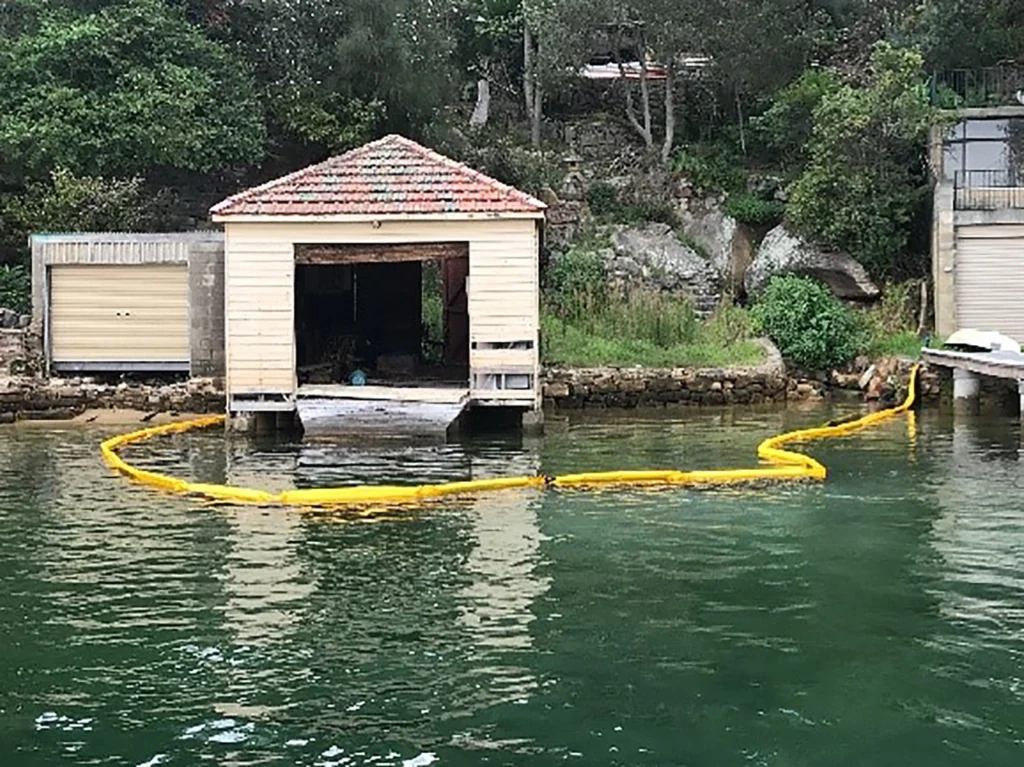
| Marine and waterfront kits | Monthly | After any use, before a forecast weather event |
Two rules apply everywhere: inspect before a new site mobilisation, and inspect before wet season, because that is when both demand and audit pressure arrive.
The spill kit inspection checklist
How to use this spill kit checklist
Work through it in order with the lid open and the contents laid out. Mark each line Pass, Fail or Not Applicable. Any Fail becomes a corrective action with a named owner and a date, and the kit is tagged out of service if it can no longer do its job.
Kit contents and quantities
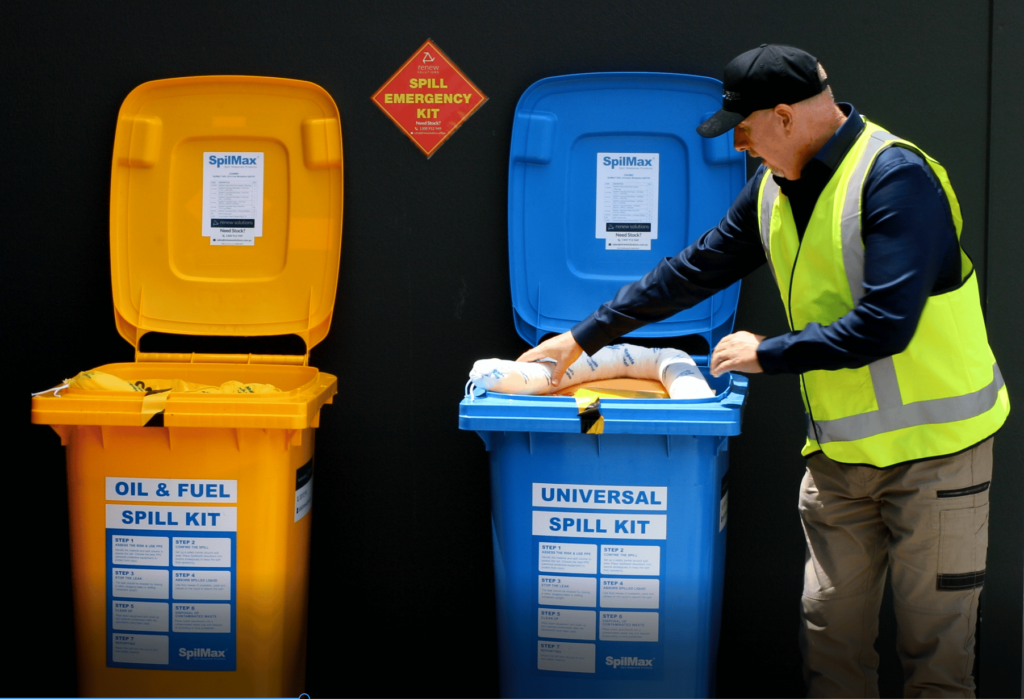
- Match every item against the packing list on the inside of the lid. If there is no packing list, that is the first corrective action.
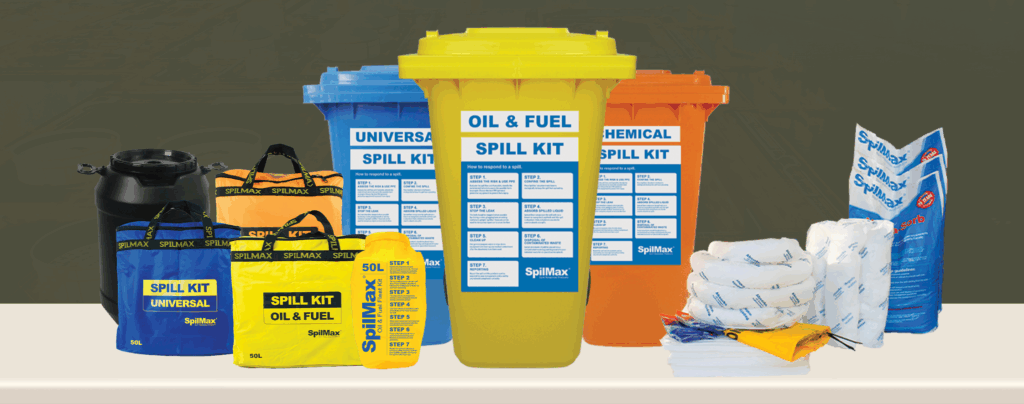
- Confirm the kit type matches the substances stored in that area, checked against the dangerous goods register, not against memory.
- Confirm rated absorbency against the largest credible single release in that area.
- Check quantities of pads, socks, pillows and floor sweep against the list, not by eye.
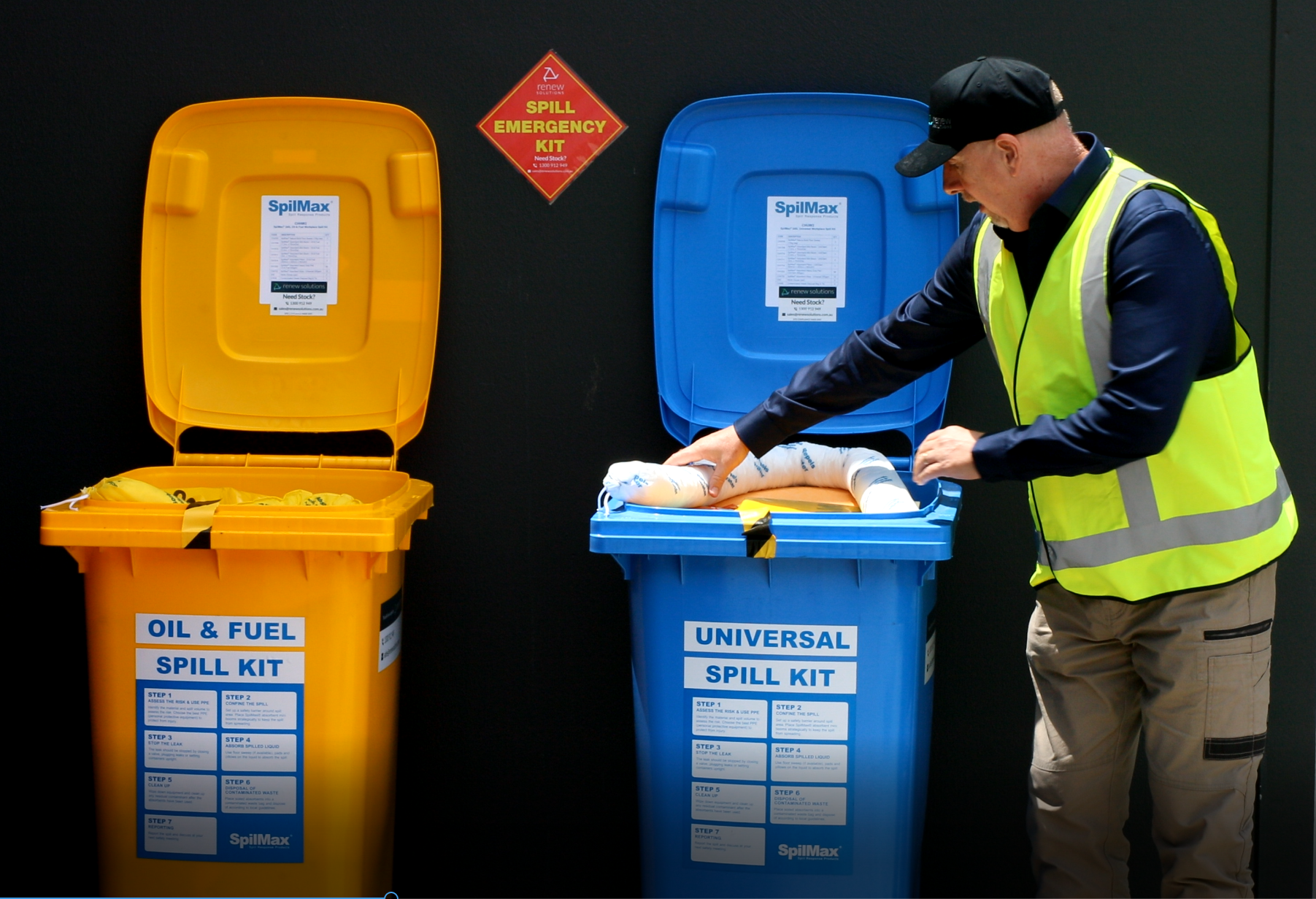
- Confirm the drum, wheelie bin or bag is intact, sealed and rolls or lifts as designed.
Working the capacity. If the largest container in the area is a 205 litre drum and the kit is rated to 240 litres, coverage is 240 / 205 = 117 per cent. Put that kit beside a 1,000 litre IBC and coverage falls to 24 per cent. The fix is bunding that holds the release while the kit deals with what escapes: at 110 per cent of the largest container, that bund is 1,100 litres.
Absorbents: condition, age and coverage
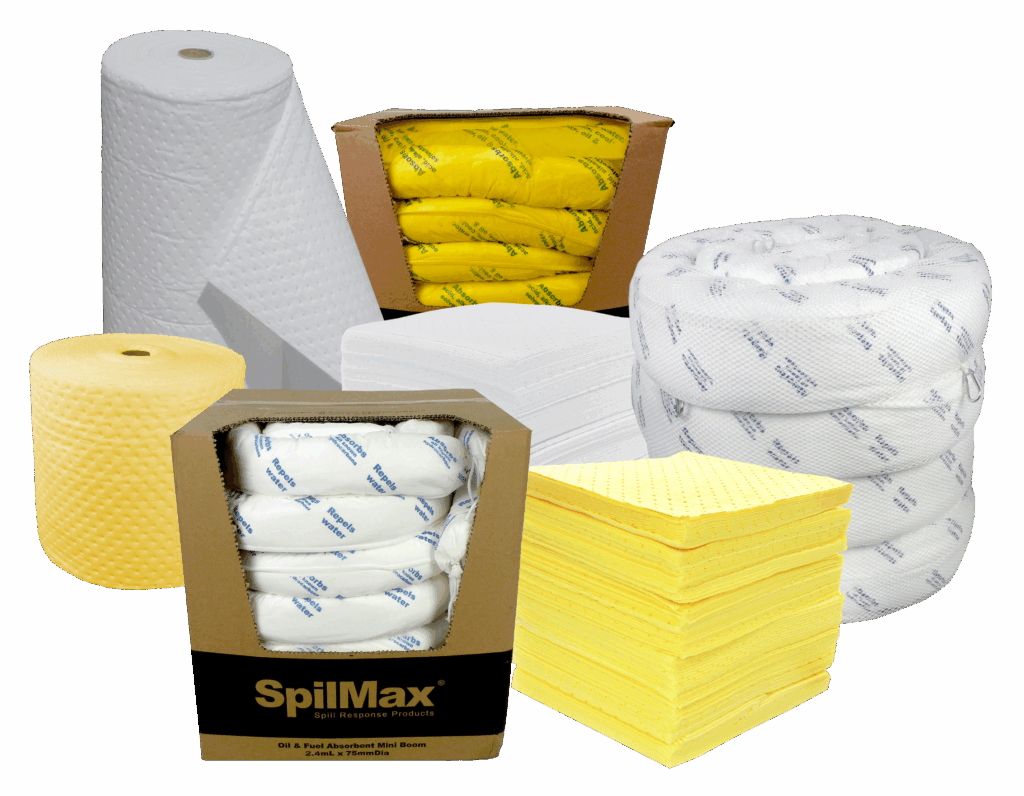
- Pads and rolls are dry, unstained, still lofted and not compressed flat in the bottom of the drum.
- Socks and booms are supple, with intact outer sleeves and no splits at the seams or end caps.
- Fill has not migrated to one end of a sock, leaving a dead length that will not seal against the floor.
- Floor sweep or granular absorbent is free flowing and not clumped, which indicates moisture ingress.
- The absorbent chemistry still matches the substance: hydrocarbon selective for oil and fuel, chemical rated for acids and alkalis, and never organic absorbent near an oxidiser.
Absorbents do not carry a legislated shelf life, but polypropylene degrades under UV and heat. Kits stored outdoors or in an uncooled shipping container should be assessed on condition every inspection, not on purchase date.
Personal protective equipment
- Gloves: correct material for the chemistry, in date, no perishing, tackiness or splits.
- Eye and face protection: unscratched, uncrazed, strap elastic still tensioned.
- Coveralls and aprons: sealed in packaging, sized for the crew who would actually respond.
- Respiratory protection where the safety data sheet calls for it, cartridges sealed and in date.
- Boot covers present and undamaged.
Size range is the line most often failed. A kit holding only medium coveralls fails the moment the responder is a large.
Containment, disposal and signage
- Waste bags and cable ties present, with enough bags to hold the full absorbent load once saturated.
- Waste labelling available so the recovered material can be classified and consigned correctly.
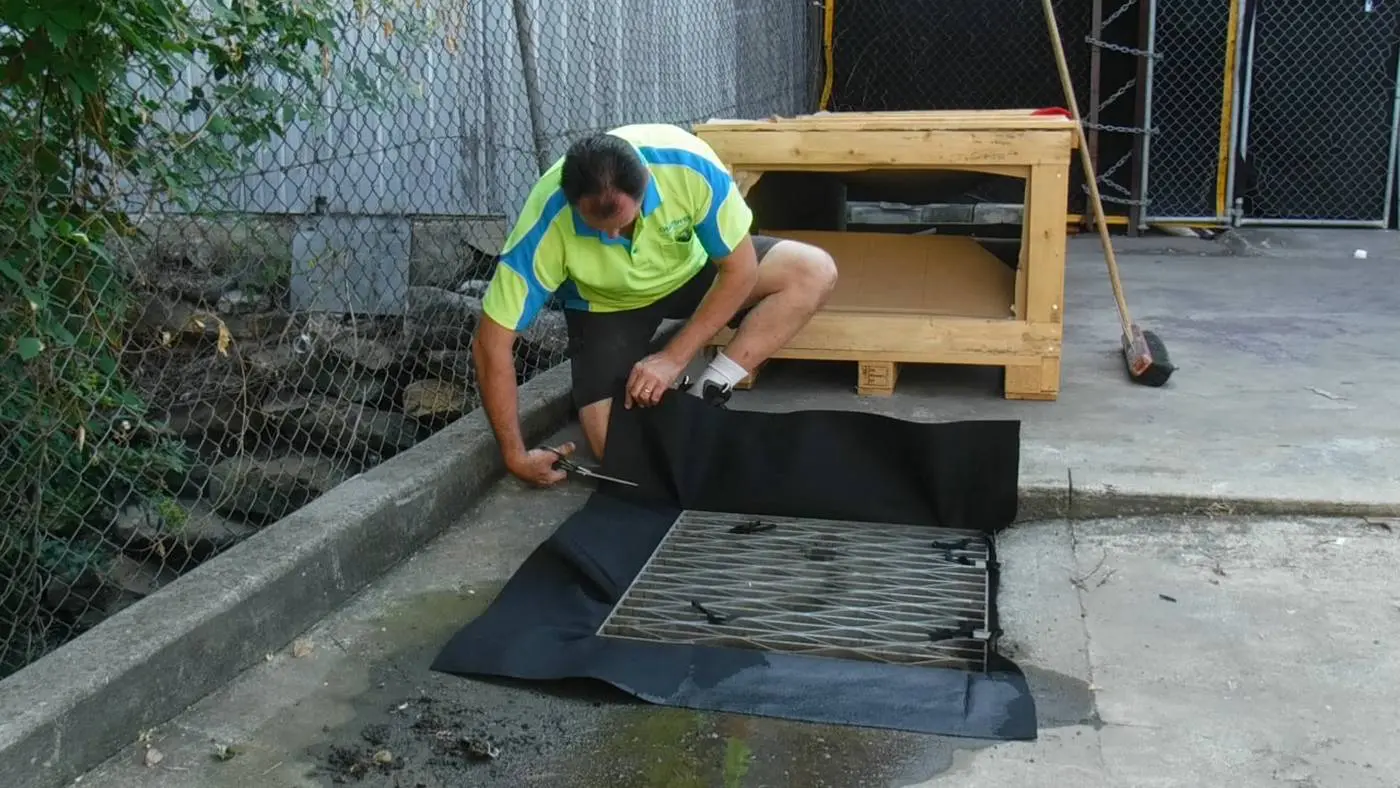
- Drain protection stationed with the kit where the area drains to a pit or waterway. Drain Seals
- Non sparking tools where flammables are stored, plus a scoop and brush that will not create an ignition source.
- Signage compliant with AS 1319-1994, readable from the working aisle and not obscured by stacked goods.
Location, access and labelling
- The kit is in the area where the chemical is used, handled, generated or stored, which is the wording of the WHS spill containment duty.
- Clear, unobstructed access from the likely spill point, with nothing stored in front of the kit.
- Unique kit ID stencilled or tagged on the outside and matching the site register.
- Location shown on the site emergency plan and on the area layout drawing.
- Lid seals correctly and any tamper indicator is intact.
What to replace and when
| Item | Replace when |
|---|---|
| Pads, rolls, socks, pillows | Used, wet, stained, compressed or contaminated |
| Granular absorbent or floor sweep | Clumped, damp or below the listed quantity |
| Gloves | Perished, tacky, split, or past the marked date |
| Eye protection | Scratched, crazed or with a slack strap |
| Coveralls | Packaging breached, or the size range no longer suits the crew |
| Respirator cartridges | Seal broken or past the marked date |
| Waste bags and ties | Any used, or fewer than the packing list requires |
| The container itself | Cracked, warped, or the lid no longer seals |
Restock same day where you can. Akuna dispatches orders placed before 11 am the same day, so a kit that fails a Tuesday inspection does not need to sit tagged out for a week.
Recording the inspection so it stands up to an audit

The record is the deliverable. An inspection that was not written down did not happen. Capture:
- Kit unique ID, location and type.
- Inspection date, inspector’s printed name and signature.
- Every checklist line marked Pass, Fail or Not Applicable.
- Items replaced, with quantities.
- Corrective actions raised, with owner and due date.
- Next inspection due date, and tag out status if removed from service.
Roll those into a site register listing every kit by ID, location, type, rated capacity in litres and last inspection date. That register is usually the first document an auditor asks for.
Common findings that turn into corrective actions
- No packing list inside the lid, so quantities cannot be verified.
- Kit type does not match the dangerous goods register for that area.
- Absorbent stock down with no restock record, indicating unlogged use.
- Coveralls or gloves in a single size only.
- Kit blocked by stored goods or plant.
- Signage hidden behind racking, or not to AS 1319-1994.
- No waste bags, so there is no disposal pathway.
- Inspection tag signed but no matching entry in the register.
- No training record for the people nearest the kit.
The last is the most expensive to fix at short notice. Akuna’s spill response training is a 60 to 90 minute practical workshop at Sydney metro locations on weekdays, open to all experience levels and built around the compliance requirements organisations face under ISO 14001. A 30 minute toolbox talk on the 7 Step Spill Response Guide covers refreshers.
Download the checklist or hand the job to our servicing program
Print the checklist above, or hand the task across. Akuna’s spill kit servicing and maintenance program covers supply, auditing and management across a whole site, so the kits, the register and the paperwork stay current without your team chasing them.
Frequently asked questions
How often should a spill kit be inspected in Australia
There is no legislated frequency. Monthly for fuel points, chemical stores and wash bays, quarterly for lower risk areas, and immediately after any use, provided it is documented and followed.
Do spill kit absorbents expire
Not by a legislated date. Polypropylene degrades under UV and heat, so kits stored outdoors or in an uncooled container are judged on condition, not purchase date.
Who is allowed to inspect a spill kit
Anyone competent and trained on the kit contents and the site spill procedure. There is no licence requirement, but the inspector must be named and sign the record.
What happens if a kit fails inspection
Raise a corrective action with an owner and due date, restock immediately, and tag the kit out of service if it can no longer do its job. Record both the tag out and the return to service.
Does an inspection record satisfy an auditor on its own
Only with the register behind it. The auditor cross checks the signed inspection against the kit register, the restock records and the training records for the people nearest the kit.
Put the register on someone else's desk
Akuna Services is 100 per cent Australian owned and operated, based at 349B Wentworth Avenue, Pendle Hill NSW 2145, servicing sites nationwide since 2016, with same day dispatch before 11 am. Call 1300 912 949 to have kits, inspections and paperwork run as one program, or restock from the Spill Kits.