
Resource Hub
Spill kit requirements in Australia by state
Categories
Share
Quick answer
No Australian state or territory has a law that names a spill kit and orders you to buy one. What every jurisdiction does have is a pair of enforceable duties that make a kit the only practical way to comply: a work health and safety duty to contain and manage spills of hazardous chemicals in the area where they are used or stored, and an environmental duty not to cause harm or pollution, policed by the state EPA or its equivalent.
That is the whole answer to spill kit requirements in Australia. No auditor asks you to point at a section that says “spill kit”. They ask what your spill containment system is, whether it suits the substances on site, and whether the paperwork exists.
Are spill kits legally required in Australia
Not by name. Regulators here write outcome based duties, not shopping lists. Four things make the requirement explicit and enforceable:
- An environment protection licence condition covering spill containment, bunding or incident response.
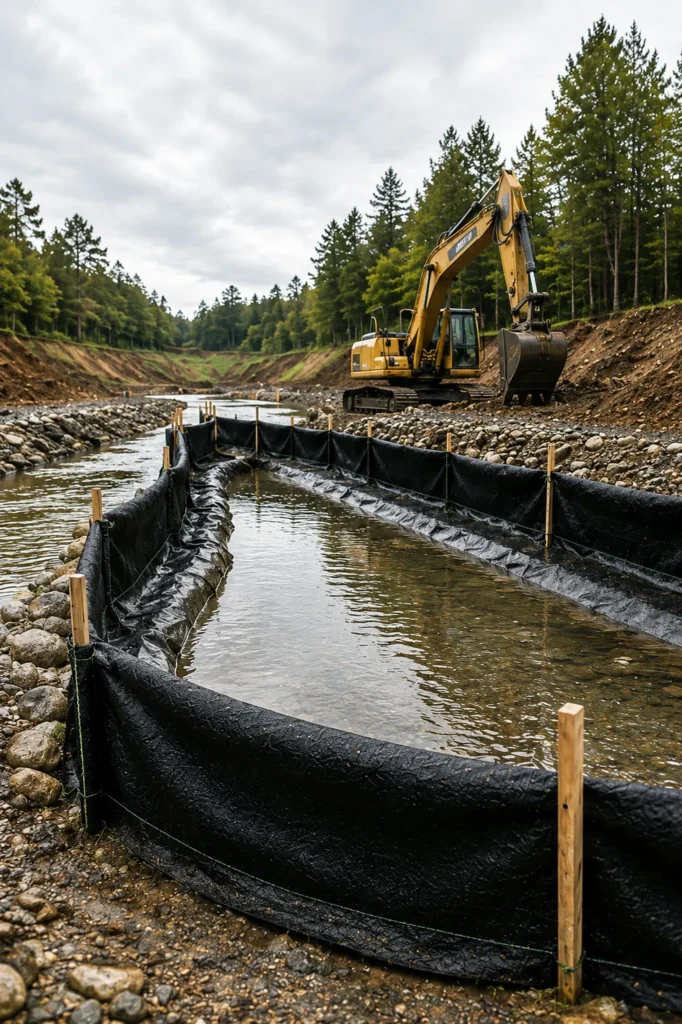
- A development consent requiring an erosion and sediment control plan.
- A principal contractor’s environmental management plan, often stricter than the law.
- A dangerous goods storage licence.
If any apply, treat the kit as mandatory. If none do, the general duties still bite.
The WHS duty that sits behind spill response
Every jurisdiction except Victoria has adopted the model Work Health and Safety Regulations. Regulation 357, Containing and managing spills, requires a PCBU to provide, in each area where a hazardous chemical is used, handled, generated or stored, a spill containment system that:
- Contains within the workplace any of the chemical that spills or leaks.
- Does not create a hazard by bringing incompatible substances into contact.
- Provides for the clean up and disposal of the chemical and any resulting effluent.
One of the three is disposal. A drum of absorbent with no waste bag and no way to move recovered material off site fails point three.
It is regulation 357 in NSW, Queensland, South Australia, Tasmania, the ACT, the NT and, since 31 March 2022, Western Australia under the WHS (General) Regulations 2022. Victoria reaches the same outcome through its Occupational Health and Safety Regulations 2017.
Which Australian standards apply
Standards are not law until a regulation, licence, consent or contract calls them up. Auditors still treat them as the benchmark for reasonably practicable, so deviations need written justification.
| Standard | Covers |
|---|---|
| AS 1940-2017 | Flammable and combustible liquids |
| AS 3780-2008 | Corrosive substances |
| AS/NZS 4452:1997 | Toxic substances |
| AS 4326-1995 | Oxidizing agents |
| AS 3833 | Mixed class packaged dangerous goods |
| AS 2507 | Agricultural and veterinary chemicals |
| AS 1319-1994 | Safety signs, including kit signage |
Working the bunding numbers
Most Australian EPA bunding guidance applies one capacity test: containment must hold the greater of 110 per cent of the largest single container and 25 per cent of the aggregate volume stored. For twelve 205 litre drums of diesel:
Worked example
- Aggregate: 12 x 205 = 2,460 litres, so 25 per cent is 615 litres.
- Largest container: 205 litres, so 110 per cent is 225.5 litres.
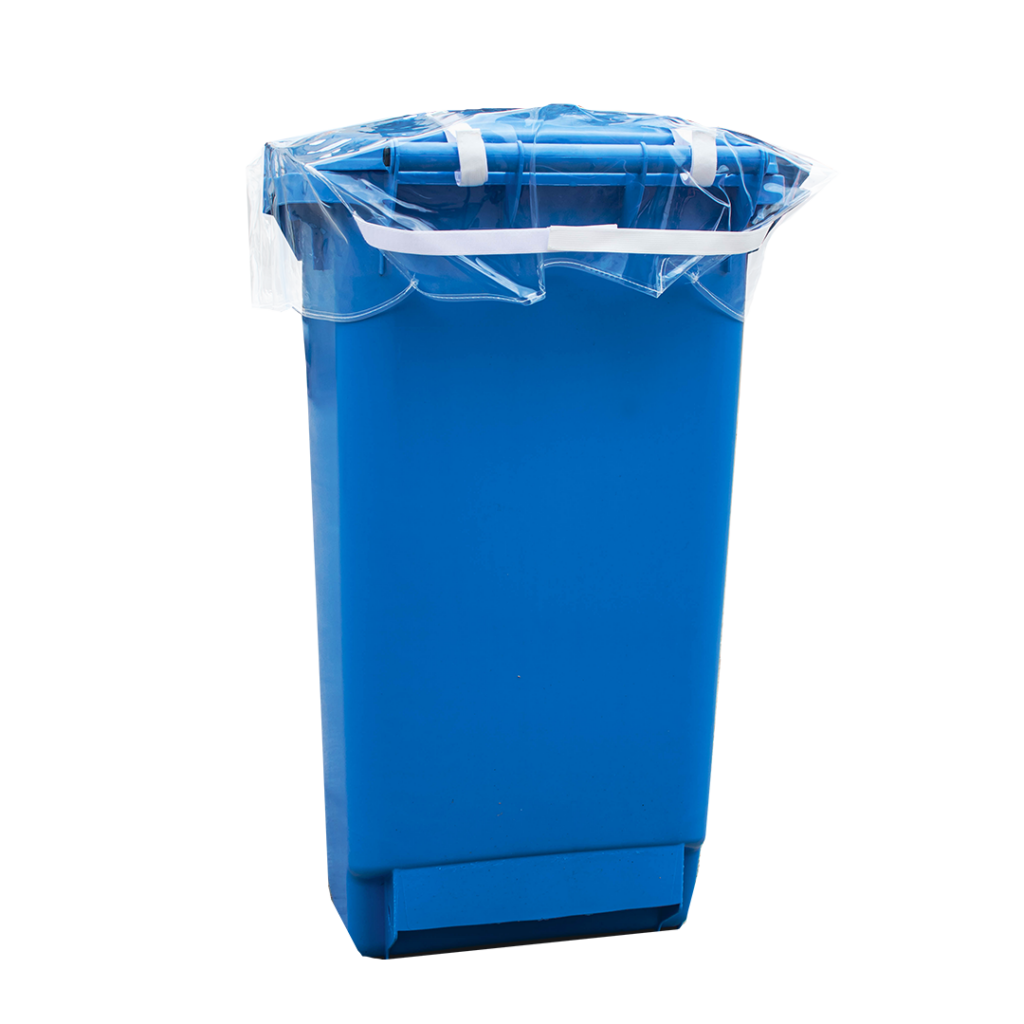
- The greater figure governs. The bund must hold 615 litres. Swap in a 1,000 litre IBC and the answer flips: 110 per cent of it is 1,100 litres, and that governs. Bunded Pallets
Spill kit requirements state by state and territory
| Jurisdiction | Regulator | Principal environmental law |
|---|---|---|
| NSW | EPA NSW | Protection of the Environment Operations Act 1997 |
| Vic | EPA Victoria | Environment Protection Act 2017 |
| Qld | DETSI | Environmental Protection Act 1994 |
| WA | DWER | Environmental Protection Act 1986 |
| SA | EPA SA | Environment Protection Act 1993 |
| Tas | EPA Tasmania | Environmental Management and Pollution Control Act 1994 |
| NT | NT EPA | Environment Protection Act 2019 |
| ACT | ACT EPA | Environment Protection Act 1997 |
New South Wales
EPA NSW administers the Protection of the Environment Operations Act 1997. Section 148 requires immediate notification of any pollution incident causing or threatening material harm, to the EPA and to other authorities including Fire and Rescue NSW, the council and SafeWork NSW. Licence holders must also prepare, test and publish a pollution incident response management plan, which describes the equipment used to minimise incident risk. An auditor will check that equipment is there and serviceable.
Victoria
EPA Victoria enforces the general environmental duty under section 25 of the Environment Protection Act 2017: anyone whose activity may give rise to risks of harm from pollution or waste must eliminate or minimise them so far as reasonably practicable. The duty is proactive, so you do not need to have spilled anything to breach it. A duty to notify notifiable incidents applies on top.
Queensland
DETSI, the Department of the Environment, Tourism, Science and Innovation, administers the Environmental Protection Act 1994. Section 319 sets the general environmental duty: do not carry out an activity likely to cause environmental harm unless you take all reasonable and practicable measures to prevent it. A duty to notify applies where serious or material harm is threatened, and environmentally relevant activity approvals often prescribe bunding directly.
Western Australia
Western Australia splits the job across three regulators, the most common source of confusion:
- DWER administers the Environmental Protection Act 1986, including pollution offences and licences for prescribed premises.
- WorkSafe WA administers the WHS Act 2020 and the WHS (General) Regulations 2022.
- Dangerous goods sit under the Dangerous Goods Safety Act 2004, with mines regulated separately.
A site can satisfy one and fail another, so map all three before an audit.
South Australia, Tasmania, ACT and Northern Territory
- South Australia. EPA SA enforces the general environmental duty in the Environment Protection Act 1993 and the Environment Protection (Water Quality) Policy 2015, which prohibits discharging listed pollutants to waters or stormwater.
- Tasmania. EPA Tasmania administers the Environmental Management and Pollution Control Act 1994, with its own general duty and notification triggers.
- ACT. The ACT EPA administers the Environment Protection Act 1997, imposing a duty to take practicable and reasonable steps to prevent harm.
- Northern Territory. The NT EPA works across the Environment Protection Act 2019 and the Waste Management and Pollution Control Act 1998.
The pattern is identical: a general duty, a notification trigger, no product mandate.
Requirements for flammable, toxic and corrosive substances
Kit selection is driven by your dangerous goods register, not site size.
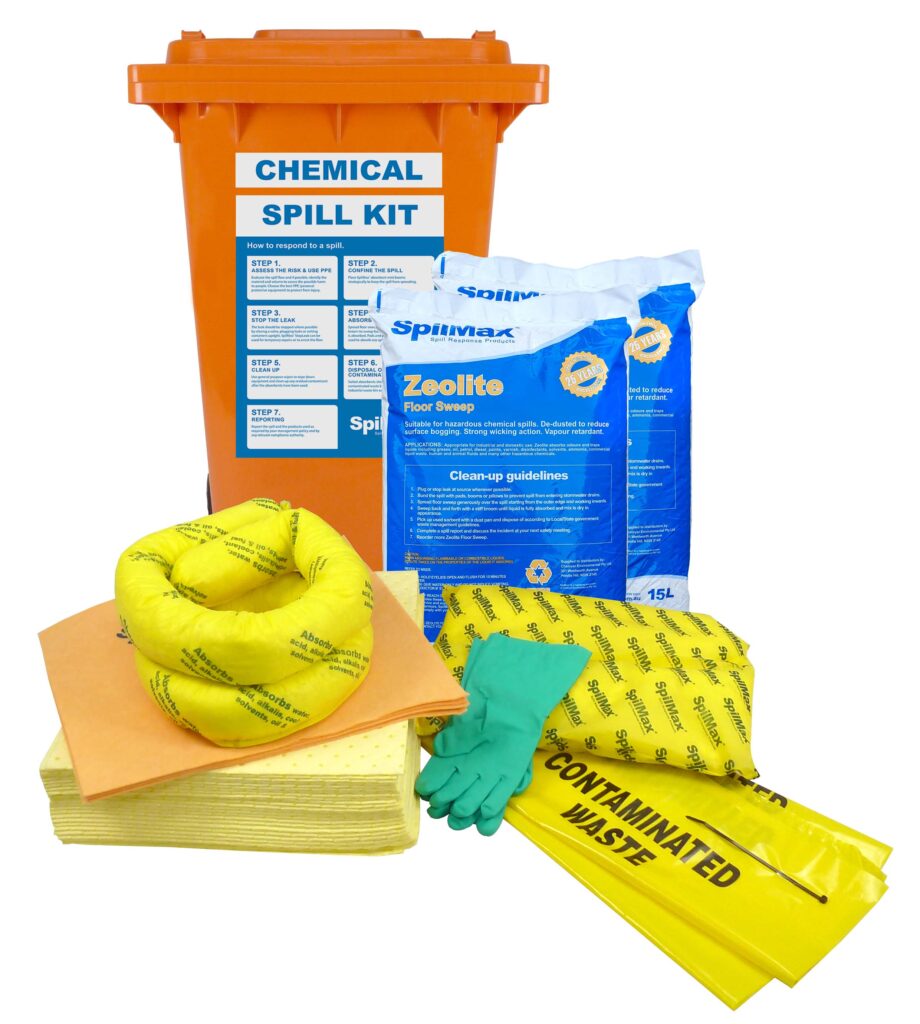
- Flammable and combustible liquids. An oil and fuel kit with hydrocarbon selective absorbents, non sparking tools and ignition control to AS 1940-2017. Oil and Fuel Spill Kits
- Corrosive substances. A chemical kit with acid and alkali resistant absorbents and PPE rated to the SDS. Chemical Spill Kits
- Toxic substances. AS/NZS 4452:1997 drives containment and decontamination.
- Oxidizing agents. Never use organic absorbents. Organic absorbent plus oxidiser is a fire, not a clean up.
- Mixed storage. Under AS 3833 a universal kit covers general spills but does not replace substance specific PPE. Universal Spill Kits
How many kits your site needs and how they must be signed
There is no legislated maximum distance between a worker and a kit. The wording that matters is “in each area where a hazardous chemical is used, handled, generated or stored”, so the count follows areas, not floor space.
- List every location on the dangerous goods register: chemical stores, fuel points, workshops, wash bays, laydowns, generator sets, transformer bunds.
- Add mobile risk: each fuel truck, service vehicle, forklift and float needs a vehicle kit. Spill Kits
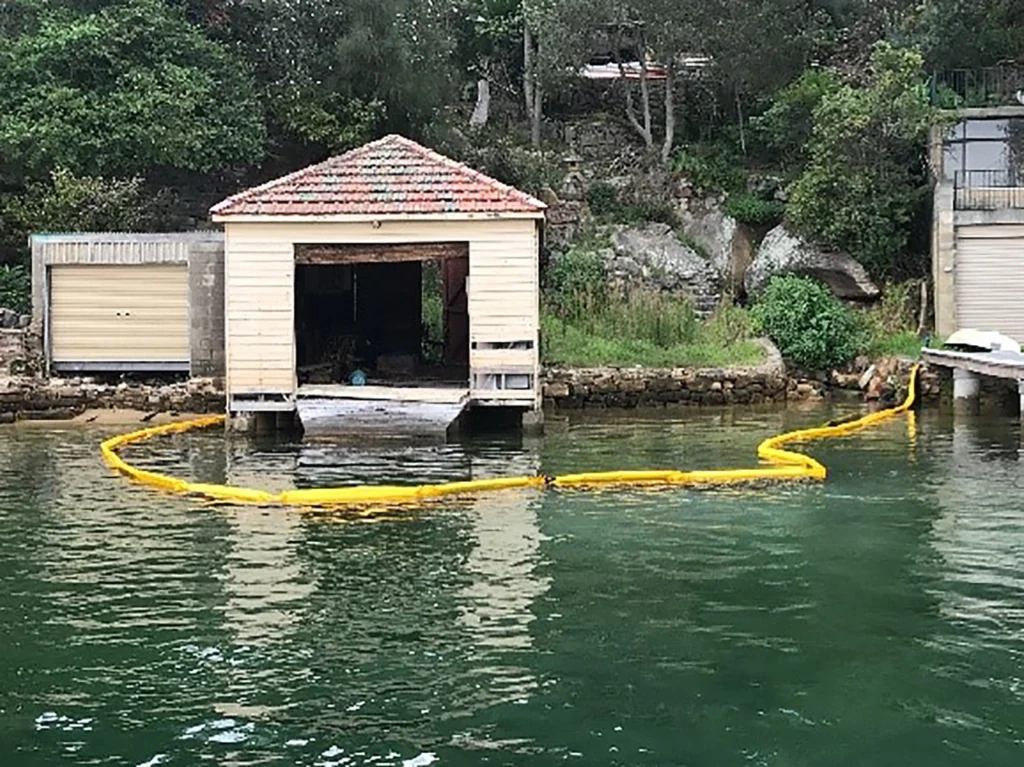
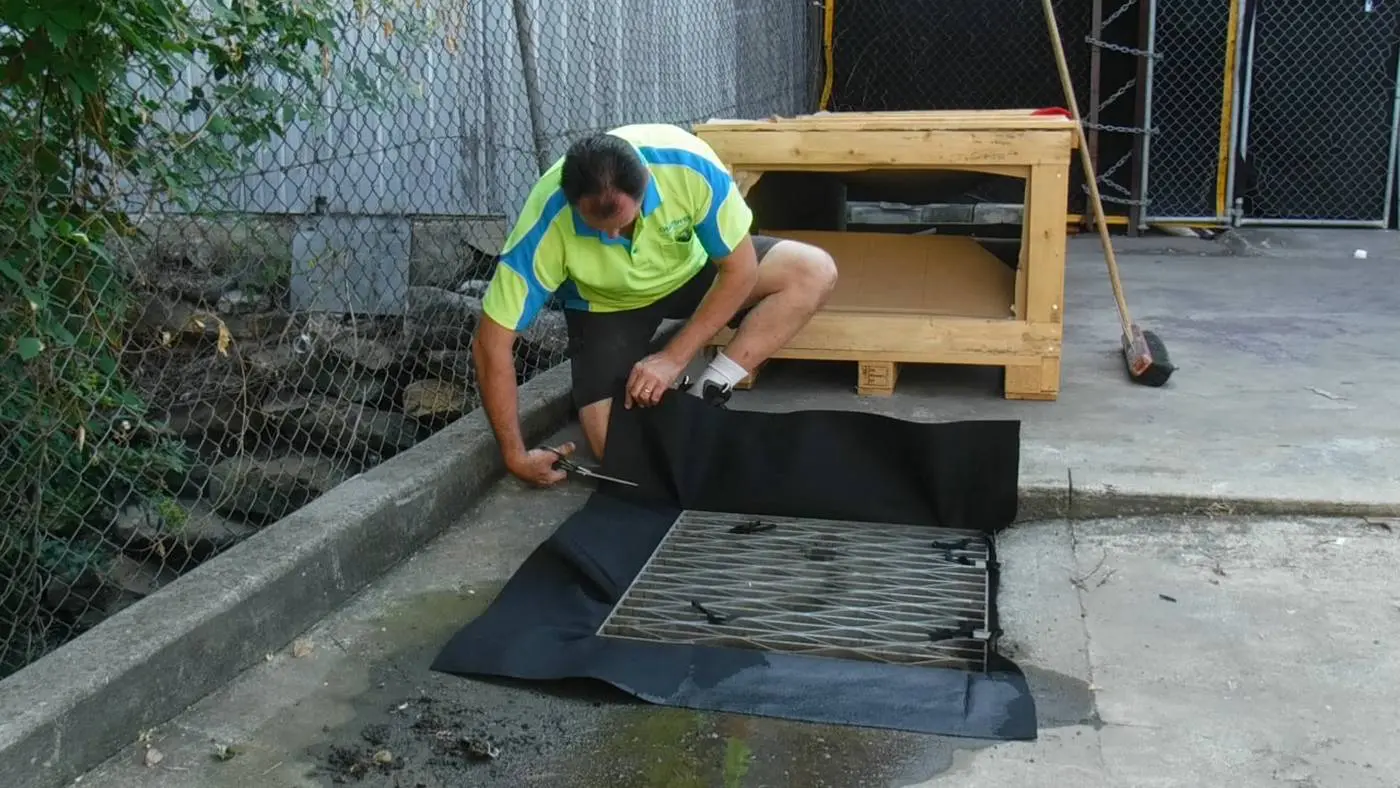
- Add water risk: any point draining to a waterway or stormwater pit needs drain protection. Drain Covers
- Size each kit to the largest credible single release in that area, not total inventory.
- Add a refill set per area so a used kit is back in service same day. Spill Kit Refills
A common benchmark, not a legal test: a responder reaches the nearest kit and is back at the spill inside a minute. Sign it to AS 1319-1994 and mark it on the emergency plan.
Proving compliance: registers, inspections and training records
An auditor tests the paper trail first. Hold:
- A kit register: unique ID, location, type, capacity in litres, last inspection date.
- Signed inspection records at a set frequency, plus one after every use.
- Restock records dating the return to full contents.
- Training records with names, date, content and assessment.
- Waste disposal dockets proving contaminated absorbent left site through a licensed route.
- The spill response procedure, with a notification tree naming your regulator.
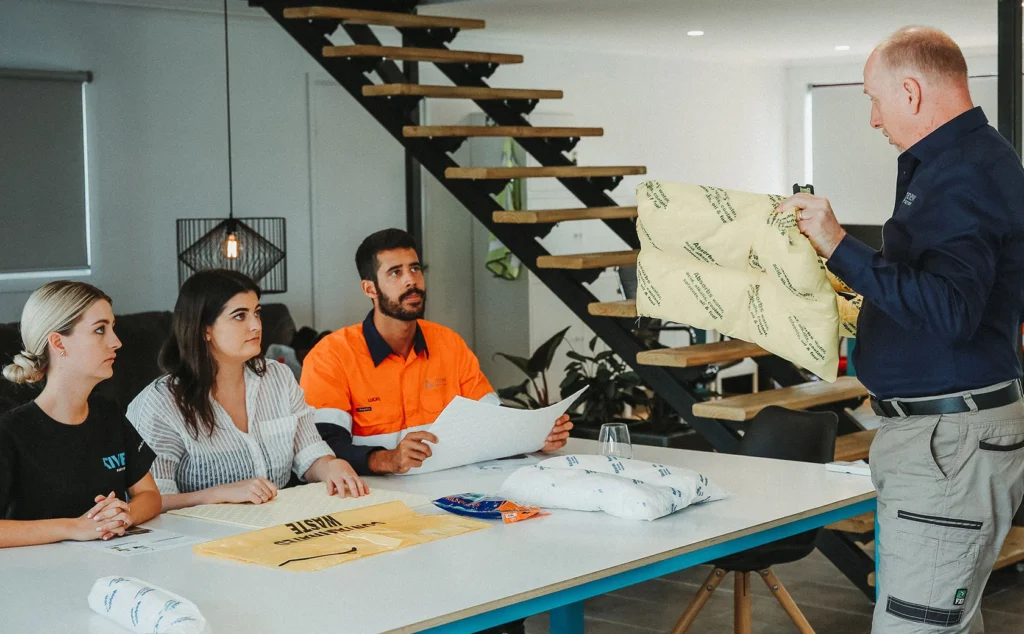
Akuna’s spill response training is a 60 to 90 minute practical workshop at Sydney metro locations on weekdays, open to all experience levels and built around the compliance requirements organisations face under ISO 14001. A 30 minute toolbox talk on the 7 Step Spill Response Guide handles refreshers.
Frequently asked questions
Is a spill kit a legal requirement in Australia
Not as a named product. The requirement is a spill containment system under WHS regulation 357, or the Victorian OHS equivalent, plus the general environmental duty.
Do the rules change from state to state
The WHS wording is identical everywhere except Victoria. What changes is the environmental law, the regulator, and the notification threshold.
How often does a spill kit have to be inspected
No regulation sets one. Monthly for high risk areas, quarterly elsewhere, plus an inspection after any use.
Who do I notify after a spill
Your state regulator: EPA NSW, EPA Victoria, DETSI, DWER, EPA SA, EPA Tasmania, the NT EPA or the ACT EPA. In NSW the fire service and council are notified too.
Can Akuna manage kits across a whole site
Yes. The spill kit servicing and maintenance program covers supply, auditing and management across a site.
Get the kit right before the audit is booked
Akuna Services is 100 per cent Australian owned and operated, based at 349B Wentworth Avenue, Pendle Hill NSW 2145, servicing sites nationwide since 2016, with same day dispatch before 11 am. Send your dangerous goods register through and the team will match kit type, capacity and placement to it. Call 1300 912 949 or start with the Spill Kits.