
Resource Hub
Which spill kit do I need? Size and type by workplace
Categories
Share
Quick answer
An emergency spill kit is chosen by matching the kit type to the worst liquid held on site and the kit size to the largest single container of that liquid. Oil and fuel kits suit hydrocarbons, hazchem kits suit acids, alkalis and reactive chemistry, universal kits suit mixed or unknown liquids, and marine kits are used where a release can reach water. Size the kit so its tested absorbent capacity is at least equal to that largest container, and place enough kits that any spill point on site can be reached in under a minute.
Everything else, the lid colour, the refill schedule and the paper trail, follows from those two decisions.
What an emergency spill kit is and when it is required
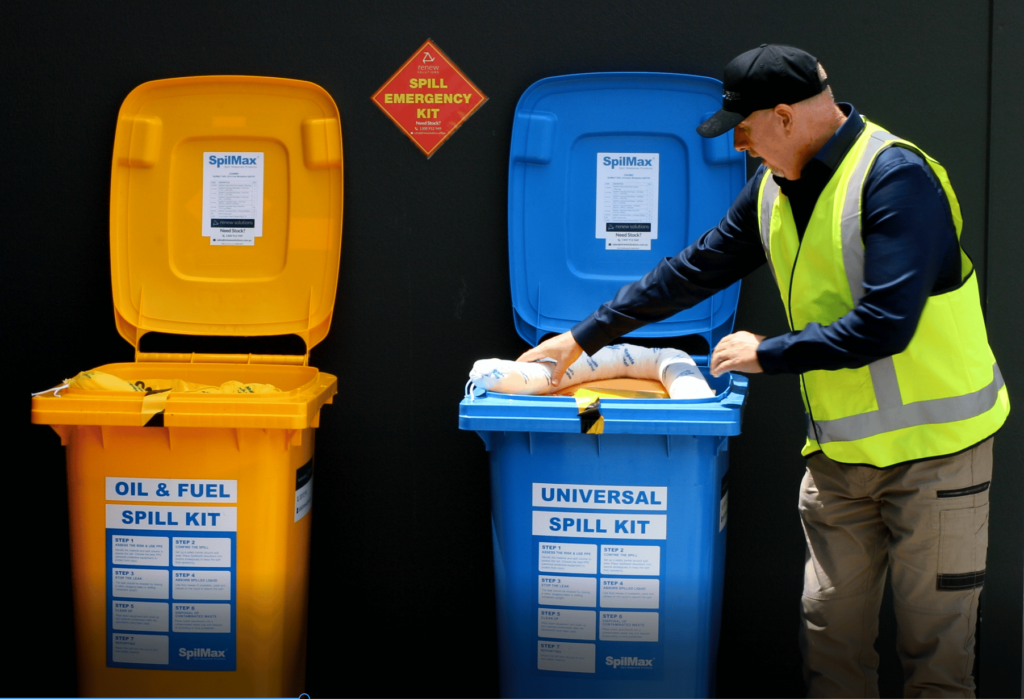
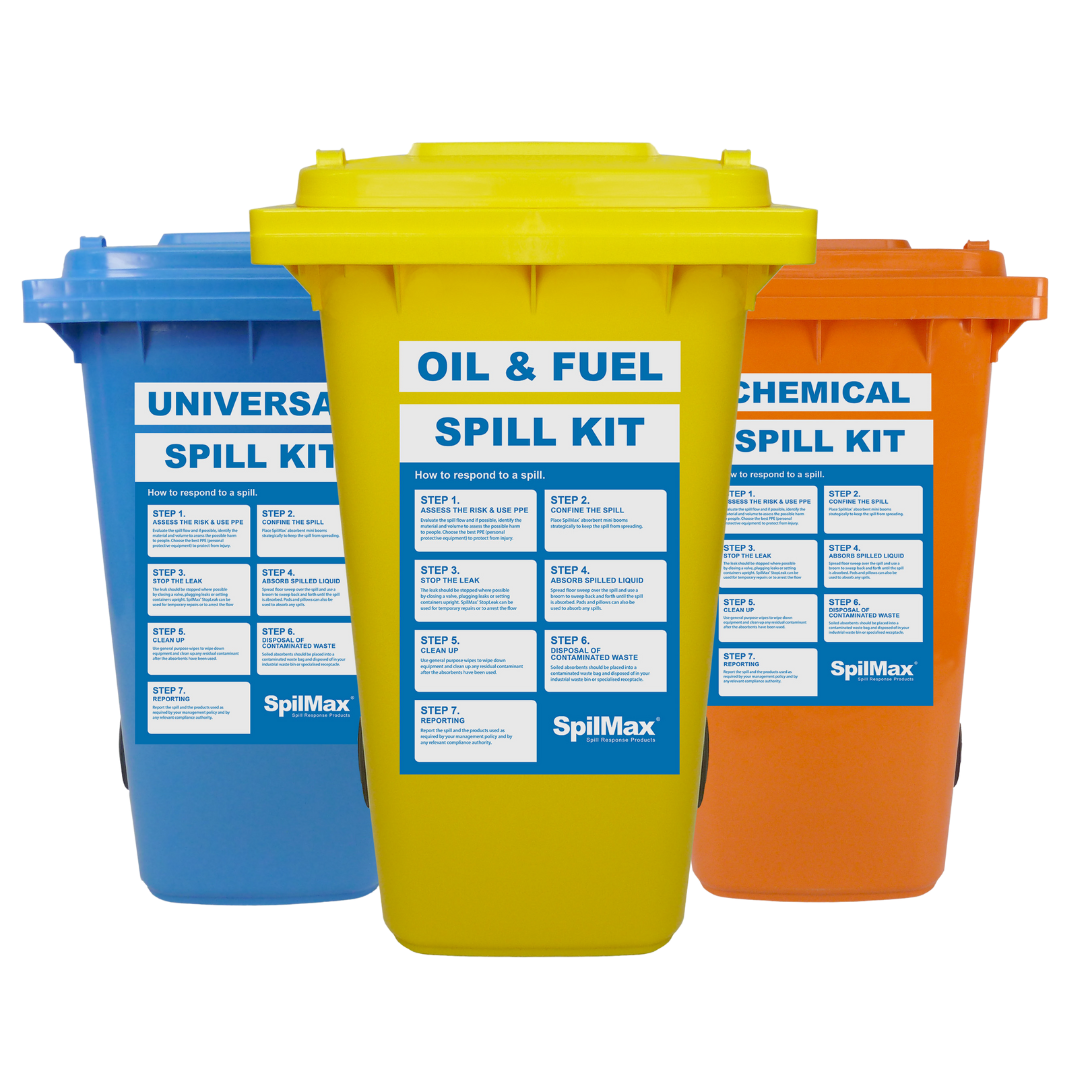
An emergency spill kit is a packaged set of absorbents, containment items, PPE and disposal materials, held in a labelled container so a release can be stopped, absorbed and disposed of without waiting on a contractor.
Under the WHS Regulations 2011, regulation 357 requires a spill containment system that allows the effective clean up and disposal of a spill or leak of hazardous chemicals. The substance specific standards go further: AS 1940-2017 for flammable and combustible liquids, AS 3780 for corrosives and AS/NZS 4452:1997 for toxic substances each set expectations for the emergency equipment kept with the storage.
The industry benchmark for the kits themselves is the AusSpill standard for spill response kits, which requires sorbent capacity to be determined by independent laboratory testing to BS 7959-1, with the tested figure marked on the container.
Matching the kit to the liquids you hold on site
Start from your chemical register and your safety data sheets, not from a catalogue.
- List every liquid held on site, with its dangerous goods class and packing group.
- Note the largest single container of each: 20 L drum, 205 L drum, 1,000 L IBC or tank.
- Group by absorbent chemistry: hydrocarbon, aggressive chemical, or general.
- Note where each is stored, decanted and transported, because that is where the kit goes.
A site holding both diesel and acids needs both kit types. A universal kit is not a substitute for a hazchem kit at a corrosives store.
Oil and fuel spill kits
Oil and fuel kits use hydrophobic polypropylene absorbents that take up hydrocarbons and repel water, so they keep working in the rain and float on a wet surface. Use them for diesel, petrol, hydraulic oil, engine oil, gearbox oil and coolant free hydrocarbon releases.
Typical contents are pads and rolls, socks for containment, pillows for pooled product, loose absorbent, disposal bags and PPE. Under the AusSpill convention these kits carry a white lid on a lime green mobile bin.
Chemical and hazchem spill kits
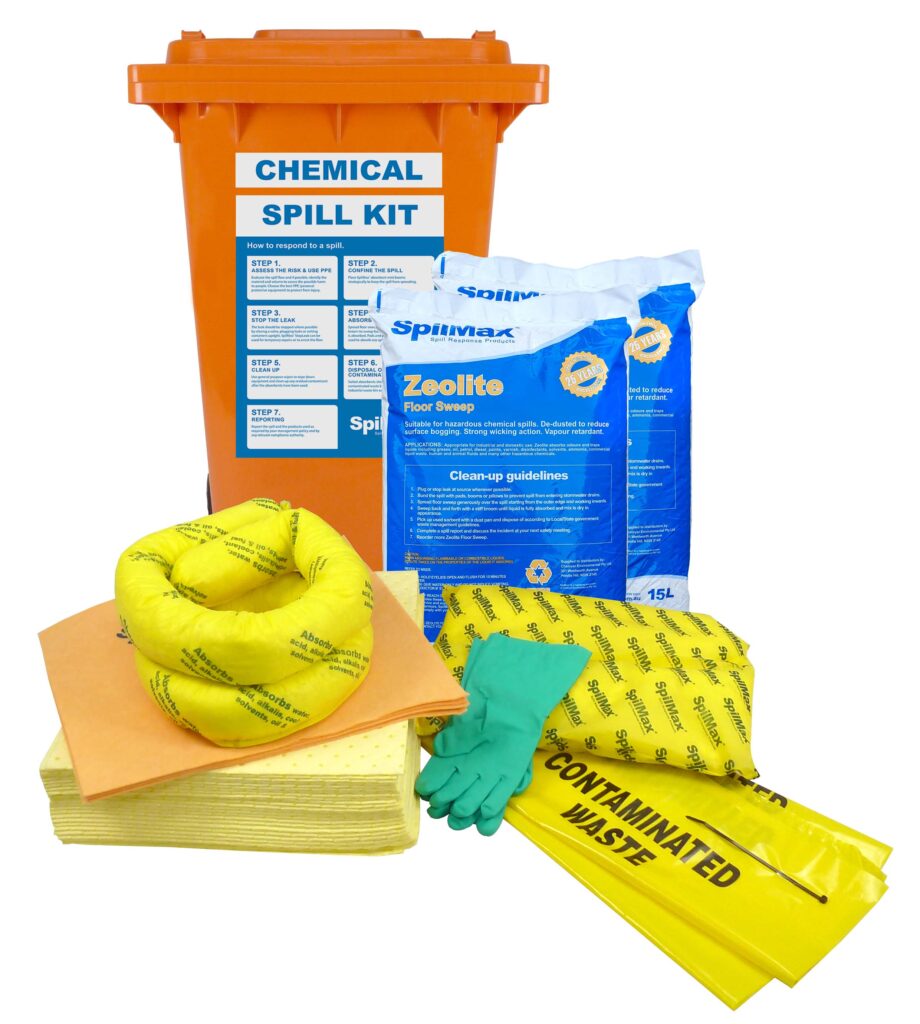
Hazchem kits use chemically resistant absorbents and fabric that will not degrade in contact with acids, alkalis, solvents and oxidisers. The PPE content is heavier: chemical splash goggles, chemical resistant gloves, coveralls and boot covers rather than a basic glove and glasses pack.
These kits carry a yellow lid. Check the absorbent and the PPE against the safety data sheet for the substances you actually hold, since no single chemical absorbent suits every class.
Universal and general purpose spill kits
Universal kits absorb both water based and hydrocarbon liquids, which makes them the right answer for mixed workshops, warehouses, loading docks and sites where the released liquid may be coolant, AdBlue, detergent, wash water or oil. They carry a grey lid. They are not the answer where aggressive chemistry is stored: universal absorbent handles the everyday mix, not concentrated acid.
Marine spill kits
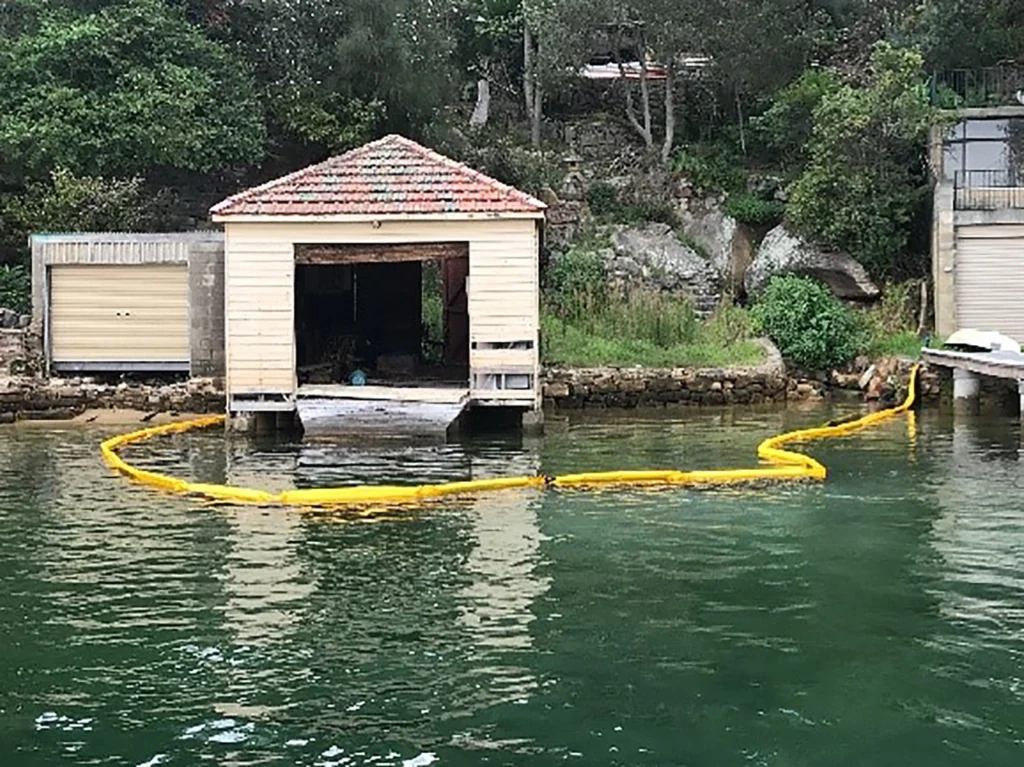
Marine kits are built for releases that reach or start on water: wharves, barges, vessels, pontoons, dams and detention basins. They rely on hydrophobic absorbents that float, plus containment booms to hold a slick within a working area rather than letting it spread with wind and current.
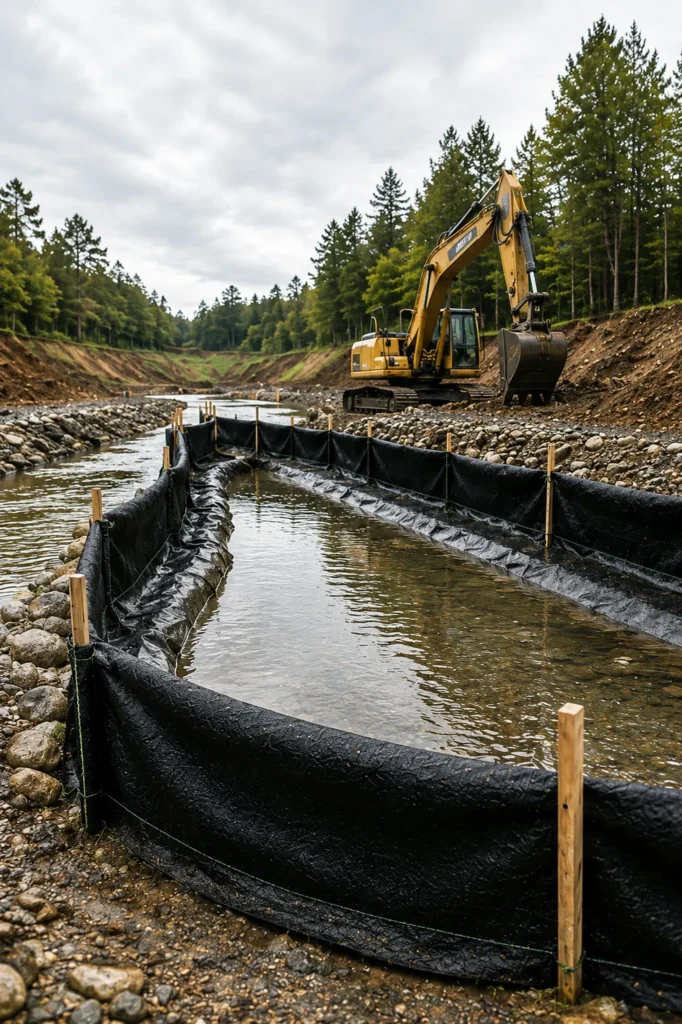
Where the exposure is ongoing rather than incidental, the kit is the response layer and a deployed boom is the control layer.
Vehicle and carry bag kits for fleets
Vehicle kits are compact carry bag or wall bracket units sized for the volume a single vehicle can release: a fuel line, a hydraulic hose, a decanted drum on a ute tray. They suit service vehicles, plant, trucks and light fleet. Operators carrying dangerous goods should size the kit against the load and the requirements applying to it under the Australian Dangerous Goods Code, not against the vehicle.
Choosing a kit size by your largest single container
The rule that survives an audit is simple: the kit’s tested absorbent capacity should be at least the volume of the largest single container it may have to deal with.
- Largest container on the hardstand is a 205 litre drum
- Required tested capacity is 205 L or more
- A kit rated at 240 L clears it, a kit rated at 120 L does not
Where the largest container is an IBC or tank, absorbents alone are the wrong tool. Containment carries the volume, the kit recovers the remainder:
Worked example
- One 1,000 litre IBC
- Bund it at 110 per cent, so 1,000 x 1.10 = 1,100 L of containment
- Hold a 240 L kit alongside for the residue, the hose spill and the transfer point
| Common size | Typical form | Suits |
|---|---|---|
| 15 to 25 L | Carry bag or backpack | Vehicles, plant, small workshops |
| 80 L | Wheeled bin or box | Single decanting point, small store |
| 120 L | Mobile wheeled bin | Workshops, warehouses, drum stores |
| 240 L | Mobile wheeled bin | Bulk drum storage, fuel bays |
How many kits your site needs and where to place them
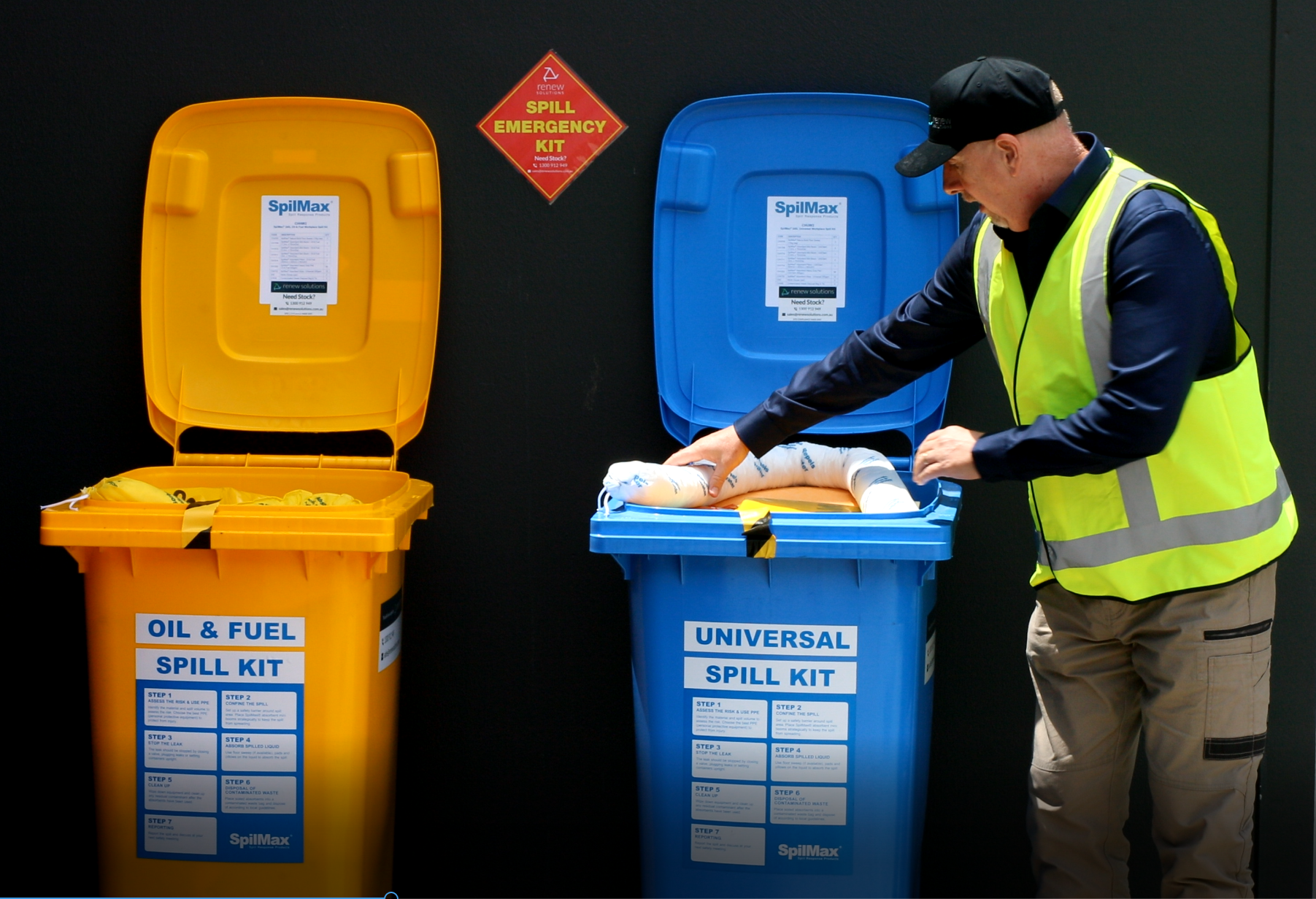
Count spill points, not floor area. A spill point is anywhere liquid is stored, decanted, transferred or pumped.
Place kits:
- Within sight of the dangerous goods store and the fuel bay
- Beside decanting and transfer points, including drum funnels and pumps
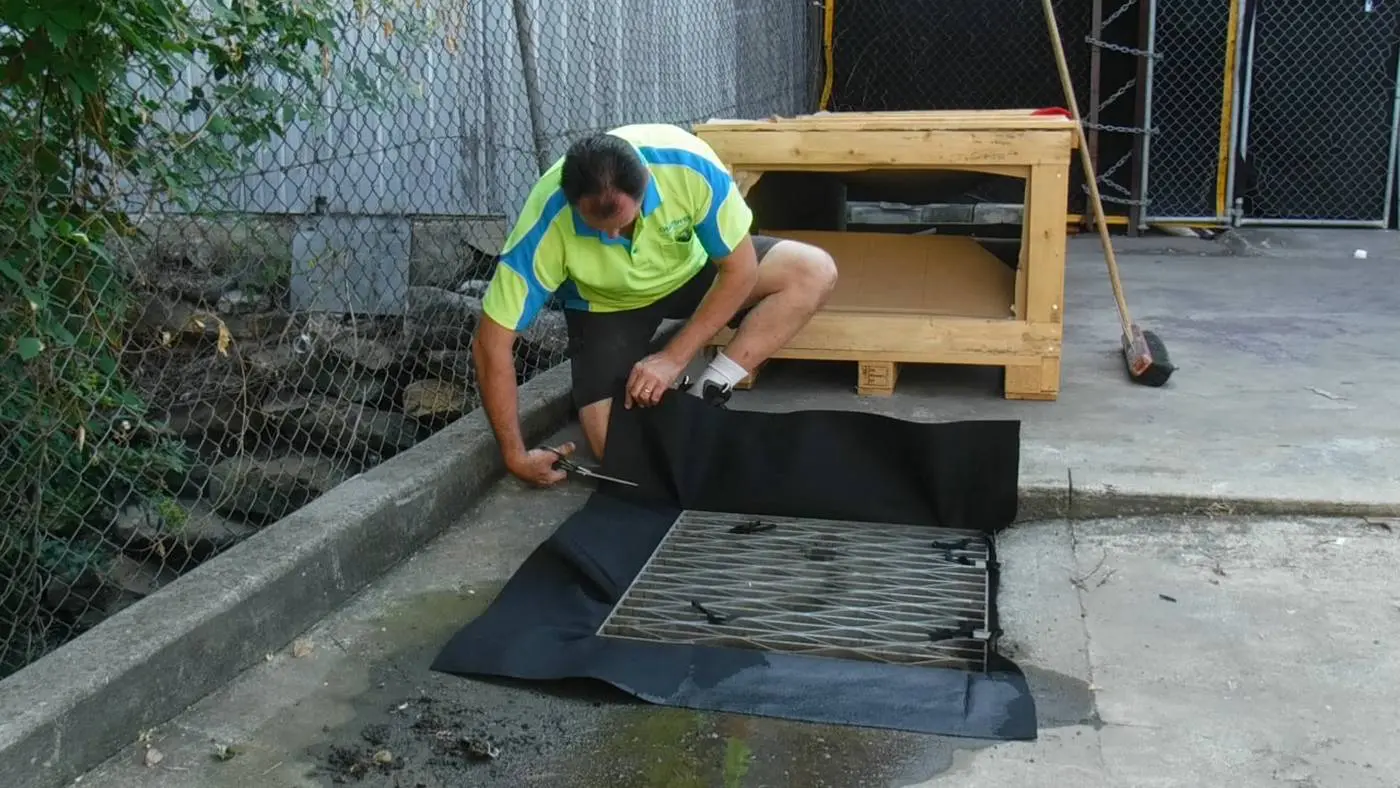
- Near any stormwater grate or pit that a release could reach Drain Seals
- On vehicles and mobile plant that carry liquids
- At the wash bay, workshop and loading dock
Mark each location so a kit can be found by someone who does not work in that area, using signs consistent with AS 1319-1994.
Refills, consumables and keeping kits inspection ready
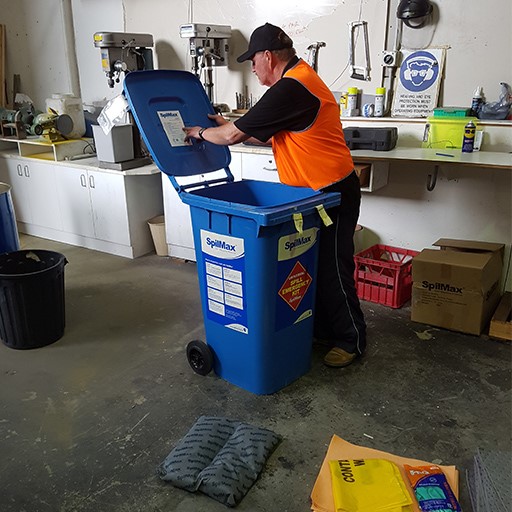
A kit is only compliant while it is complete. After any use, restock from a matching refill pack rather than substituting whatever absorbent is on the shelf, because the tested capacity marked on the bin assumes the original contents.
Build a monthly check into the inspection register: seal intact, contents matching the inventory list, PPE undamaged, bin mobile, location sign visible, and the tested capacity still legible.
Spill kits by industry, from workshops to mine sites
| Setting | Primary risk | Usual kit |
|---|---|---|
| Mechanical workshop, transport depot | Engine oil, diesel, hydraulic fluid | Oil and fuel, 120 L or 240 L |
| Warehouse and distribution | Mixed liquids, unknown palletised stock | Universal, 120 L, plus a hazchem kit if DG is held |
| Civil and construction site | Plant refuelling, hydraulic hose failure | Oil and fuel, 120 L, plus vehicle kits |
| Mining and quarry | Bulk fuel, oils, reagents | 240 L oil and fuel at fuel farms, hazchem at reagent stores |
| Manufacturing and processing | Acids, alkalis, solvents | Hazchem, sized to the largest container |
| Marina, port, water utility | Hydrocarbon release to water | Marine kit plus containment boom |
Servicing and training that keep the kit compliant
Two things turn a purchased kit into a defensible control. The first is servicing: Akuna Services runs a spill kit servicing and maintenance program covering supply, auditing and management across a whole site, so kits are inspected, restocked and recorded.
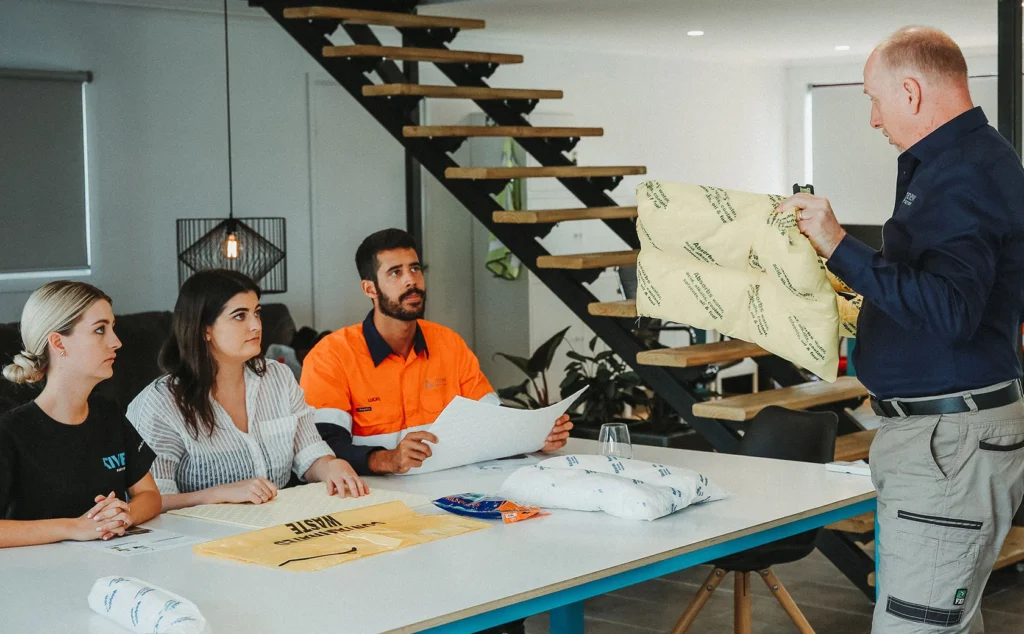
The second is competence. Akuna’s spill response training is a 60 to 90 minute practical workshop aimed at ISO 14001 compliance requirements, run at Sydney metro locations on weekdays for all experience levels. Where a full session is not practical, a 30 minute on site toolbox talk covers the 7 Step Spill Response Guide.
Frequently asked questions
Can one universal kit cover the whole site?
Only if the site holds nothing more aggressive than oils, coolants and general liquids. Once corrosives or oxidisers are stored, a hazchem kit is required at that store.
What size emergency spill kit do I need?
At least the tested capacity of your largest single container. A 205 litre drum needs a kit rated at 205 L or more, which in practice means a 240 L unit.
Do I still need a spill kit if everything is bunded?
Yes. Bunding holds the volume, the kit recovers it. Regulation 357 refers to effective clean up and disposal, not containment alone.
How often should kits be inspected?
Monthly is the usual interval, plus immediately after any use. Keep the record: the register is what an auditor reads.
What does the lid colour mean?
Under the AusSpill convention for mobile bin kits the body is lime green, with a white lid for oil and fuel only, a yellow lid for hazchem and a grey lid for general purpose.
Akuna Services is 100 per cent Australian owned and operated, has supplied spill control nationwide since 2016, and stocks oil and fuel, chemical, universal and marine kits along with refills, absorbents and PPE. Orders placed before 11 am dispatch the same day. To have the kits specified against your register rather than guessed, call 1300 912 949 or book an environmental risk assessment.