
Oil Spill Kits
Showing all 9 results
-
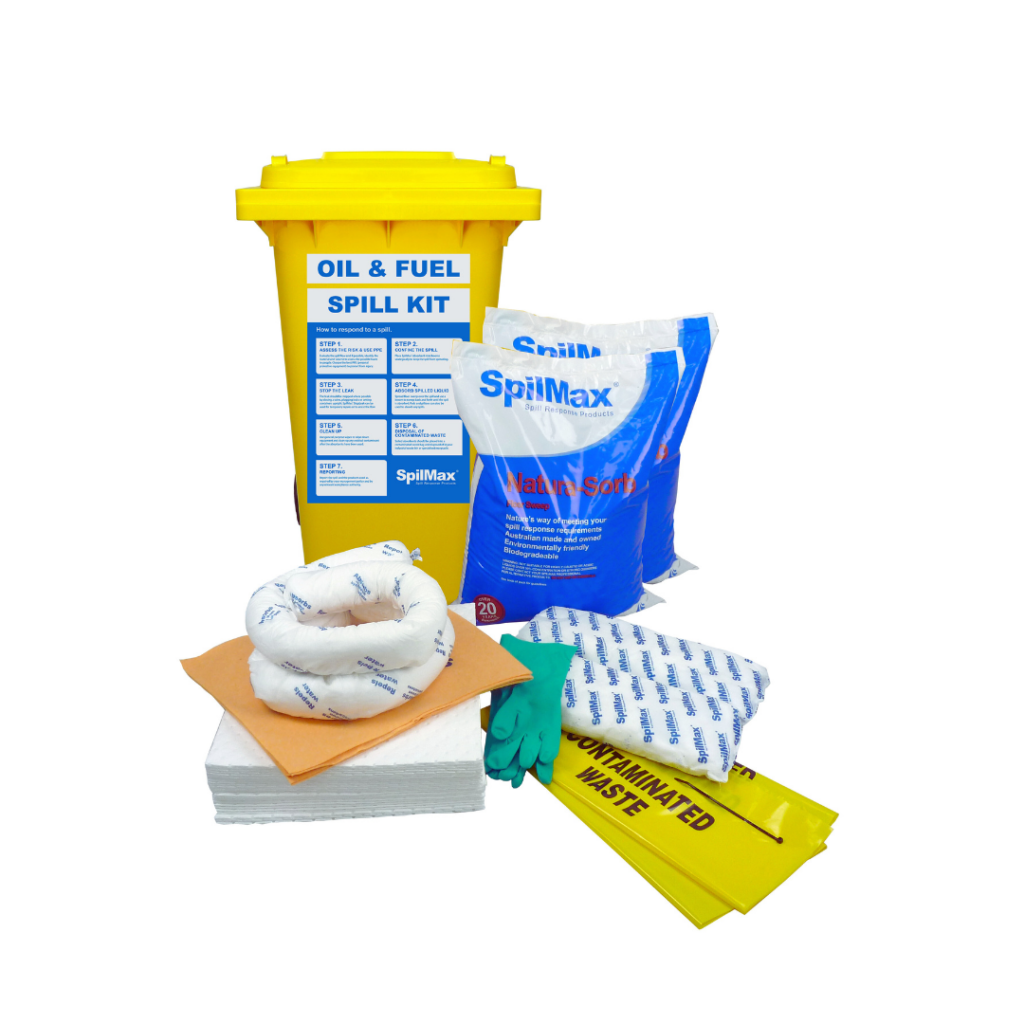
140L Oil & Fuel Workplace Spill Kit
$412.50 (inc. GST)
-
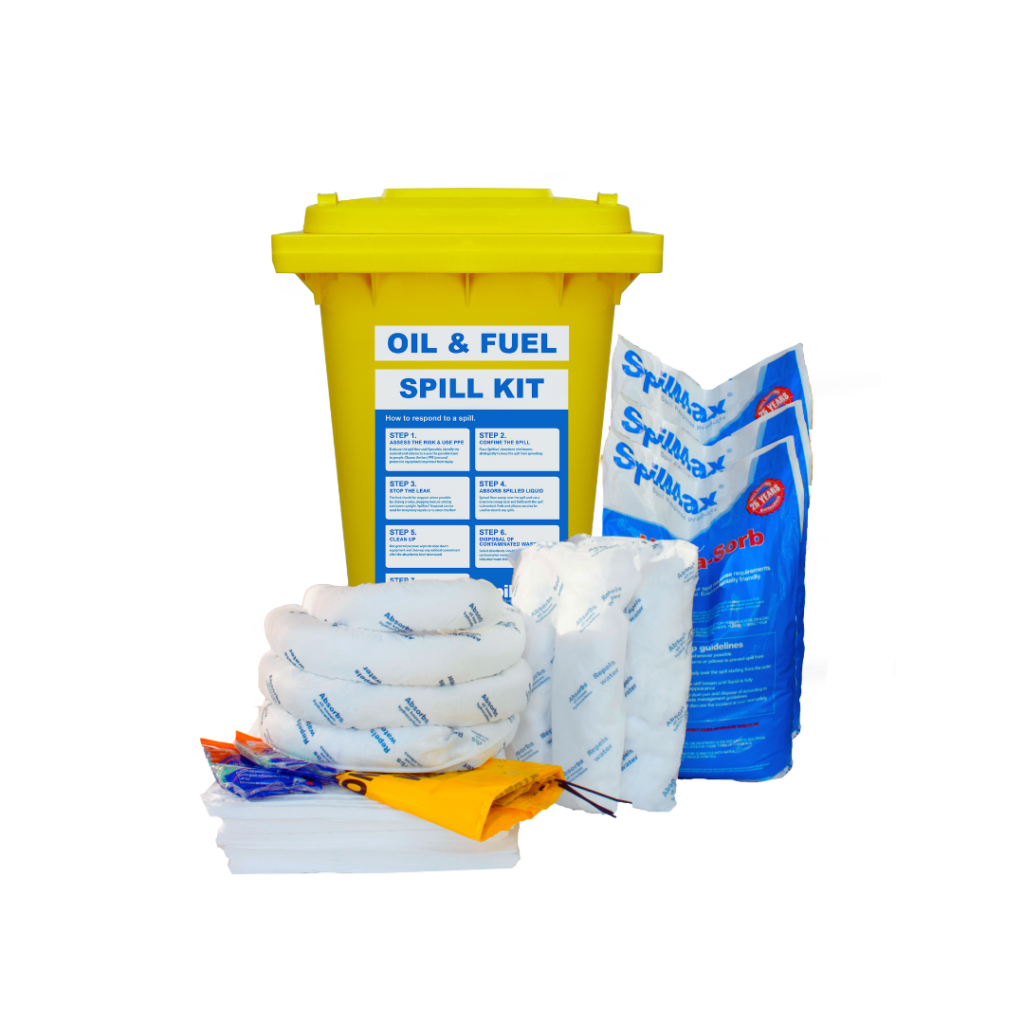
240L Oil & Fuel Economy Workplace Spill Kit
$533.50 (inc. GST)
-
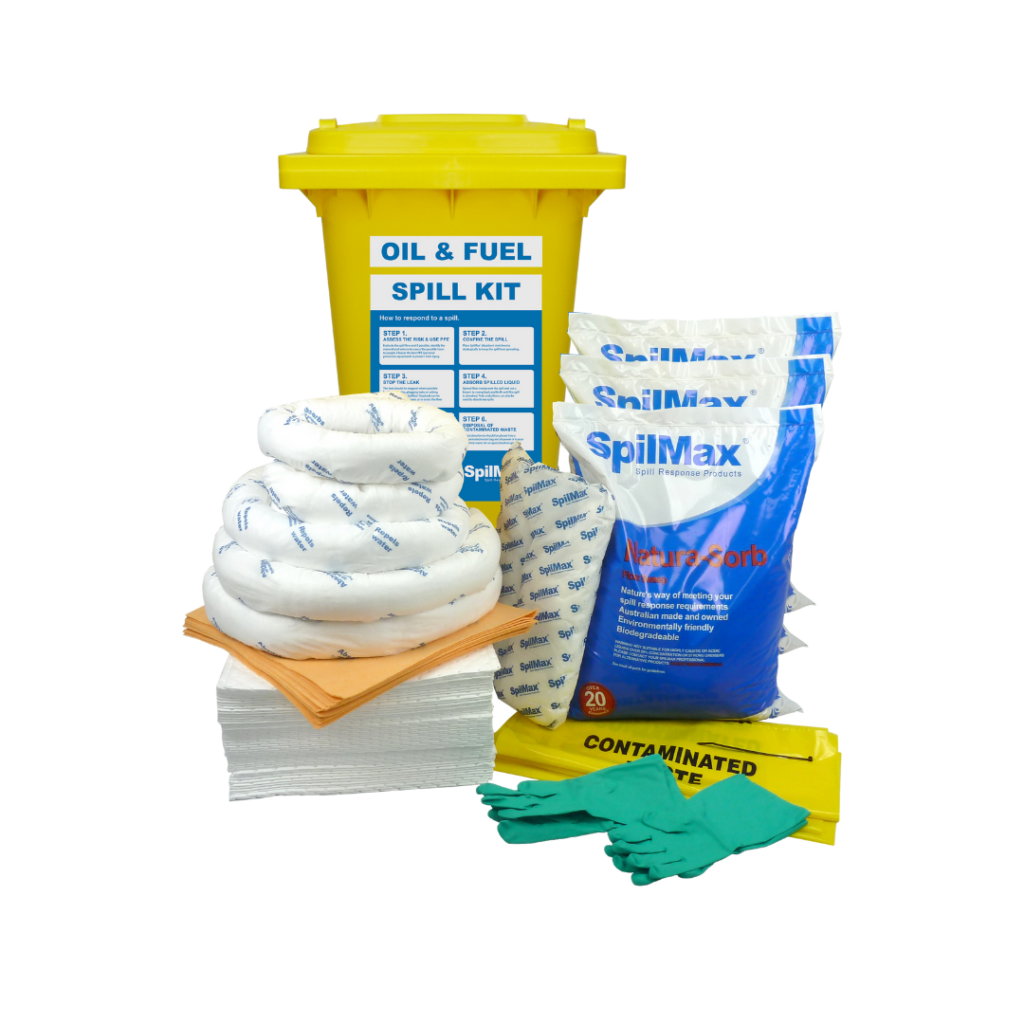
240L Oil & Fuel Workplace Spill Kit
$588.50 (inc. GST)
-
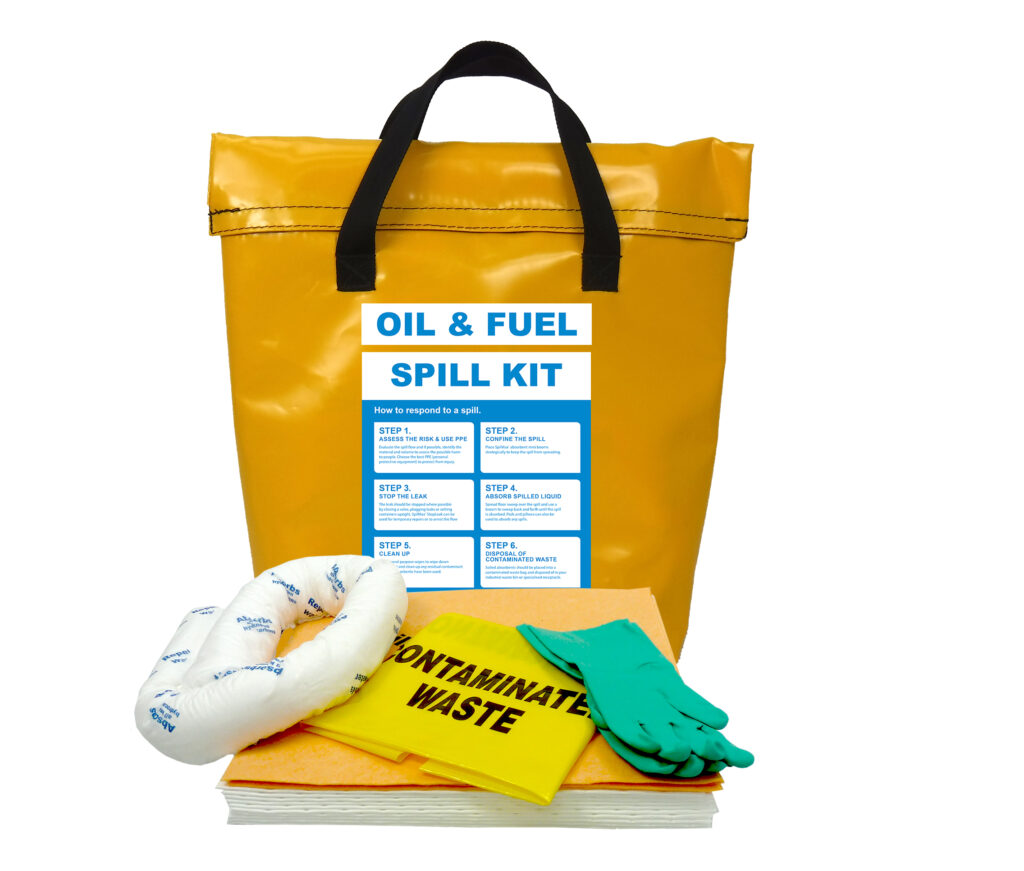
25L Oil & Fuel Vehicle Spill Kit Bag
$104.50 (inc. GST)
-
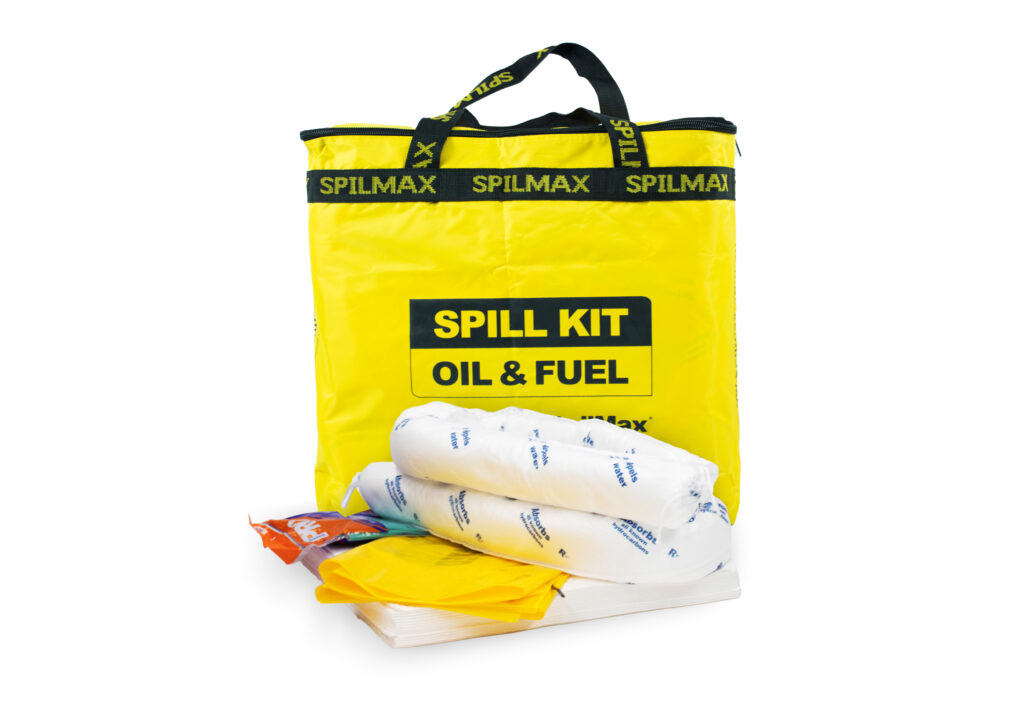
50L Oil & Fuel Economy Vehicle Spill Kit Bag
$137.50 (inc. GST)
-
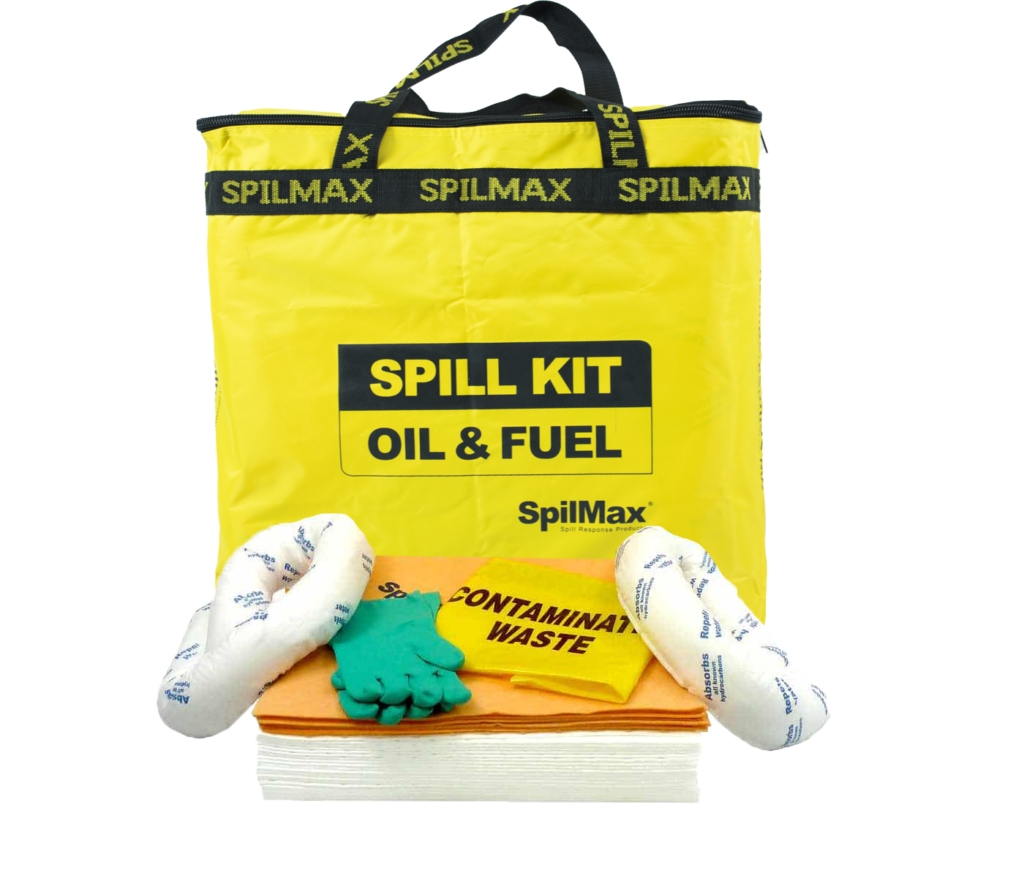
50L Oil & Fuel Vehicle Spill Kit Bag
$184.14 (inc. GST)
-
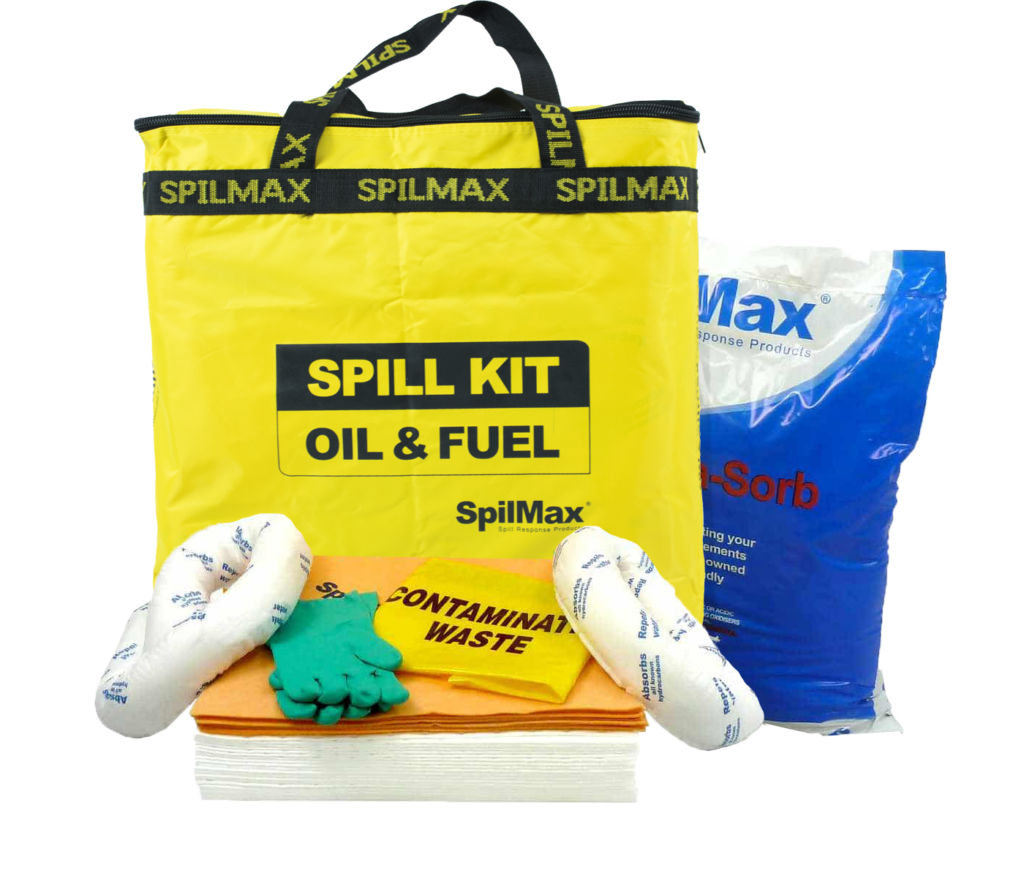
50L Oil & Fuel Vehicle Spill Kit Bag with 5kg Natura-Sorb
$203.50 (inc. GST)
-
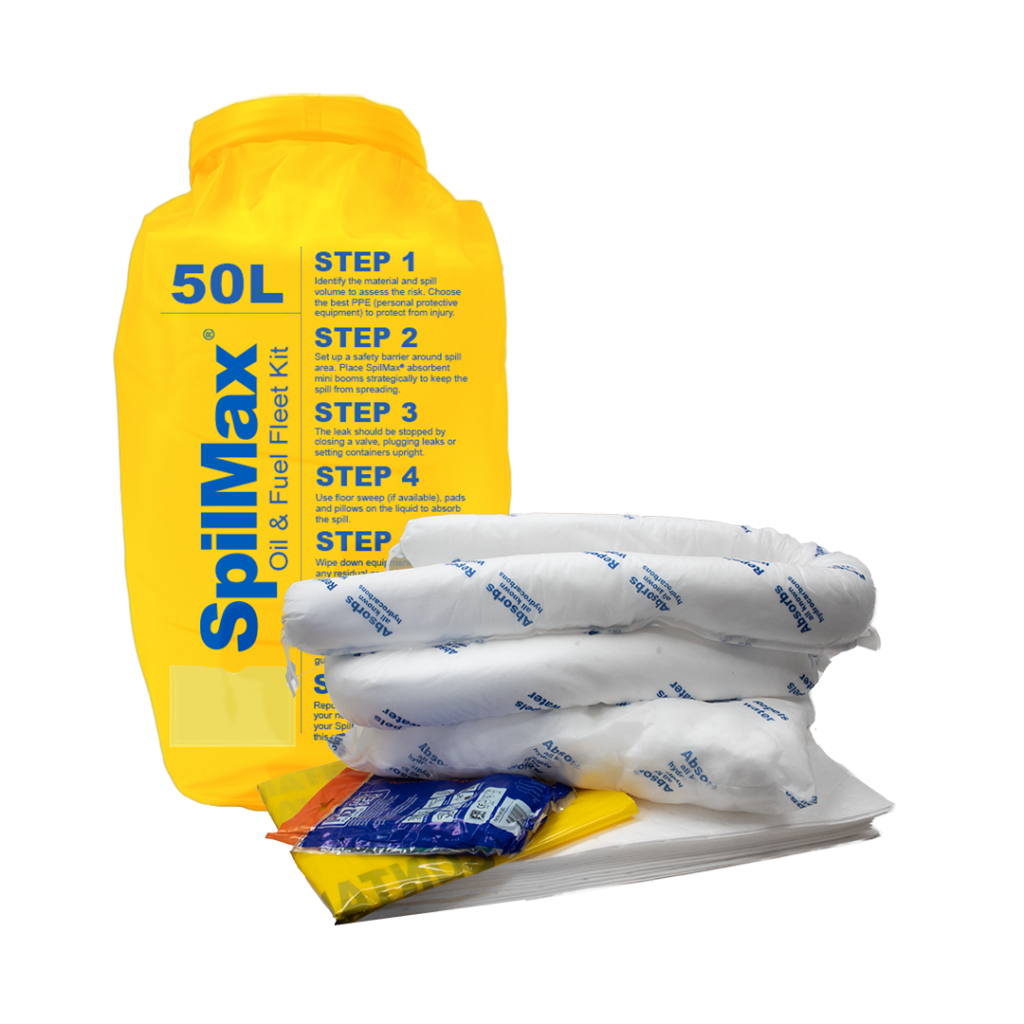
50L Oil and Fuel Fleet Spill Kit Bag
$159.50 (inc. GST)
-
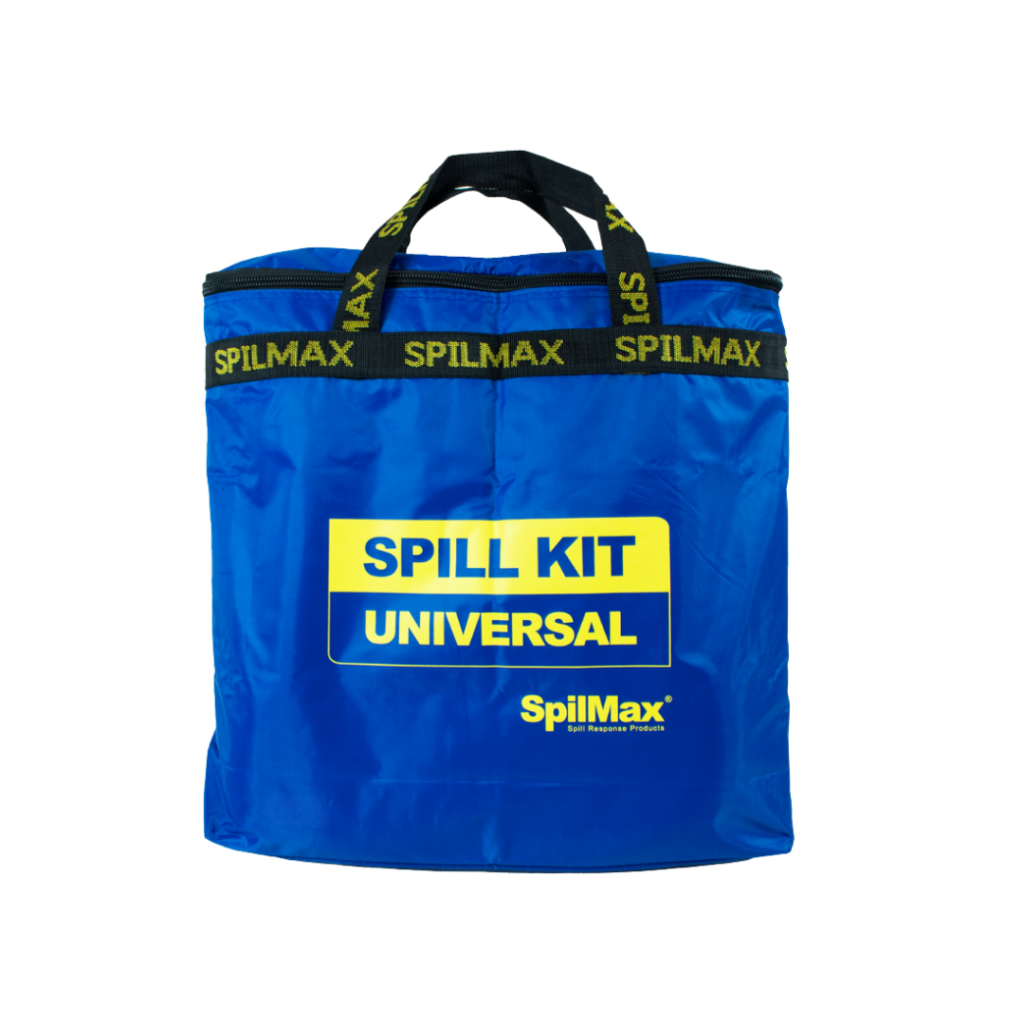
Vehicle Spill Kit Bag only (Blue) with stickers applied
$70.40 (inc. GST)
Extra Information
Oil Spill Kits
Reliable Oil Spill Kits for Australian Sites
Oil spill kits are emergency response packages built around hydrophobic absorbents that soak up hydrocarbons and repel water. They contain and recover diesel, petrol, hydraulic fluid and lubricating oil before it reaches soil, a stormwater pit or a waterway, and they work in the wet.
Akuna Services has supplied oil and fuel spill kits since 2016. We are 100 per cent Australian owned and operated, we dispatch same day on orders placed before 11 am, and we ship Australia wide. The range runs from a 25 L vehicle bag to a 240 L wheeled workplace unit.
25 to 240 L
From a vehicle bag to a wheeled workplace unit
Oil-only
Takes up hydrocarbons, rejects water
11 am
Order cut off for same day dispatch
100%
Australian owned and operated
On this page
- 01What an Oil and Fuel Spill Kit Does Differently
- 02Our Range of Oil and Fuel Spill Kits by Size
- 03What Is Inside Every Oil and Fuel Spill Kit
- 04Oil-Only Absorbent Pads, Booms and Refills
- 05Oil Spill Kits for Depots, Workshops and Plant Yards
- 06Diesel, Petrol, Hydraulic and Lubricating Oil Spills
- 07Hydrophobic Absorbents That Float and Repel Water
- 08Keeping Hydrocarbons Out of Drains and Waterways
- 09Australia-Wide Delivery With Same Day Dispatch
- 10Choosing the Right Oil Spill Kit Size
- 11FAQs
What an Oil and Fuel Spill Kit Does Differently
The difference is the absorbent. Oil-only media takes up hydrocarbons and rejects water. Drop it in a puddle of diesel and rainwater and it lifts the diesel and leaves the water. A universal absorbent fills with rainwater and stops working before the fuel is picked up.
That has three practical consequences for a site:
- Outdoor spills stay recoverable in rain and on a wet hardstand
- Saturated absorbent holds hydrocarbon, not stormwater, so waste volumes stay lower
- Oil-only booms and socks float, so they work a spill on a dam or wharf
Where a site also handles acids, alkalis or unknown liquids, pair an oil kit with a chemical or universal kit rather than substituting one.
Our Range of Oil and Fuel Spill Kits by Size
Nine products cover everything from a single vehicle to a full workshop.
| Kit | Format | Suits |
|---|---|---|
| 25 L Vehicle Spill Kit Bag | Soft bag | Utes, light vehicles, forklifts |
| 50 L Vehicle Spill Kit Bag | Soft bag | Service trucks, plant, water carts |
| 50 L Fleet Spill Kit Bag | Soft bag | Fleet and transport |
| 140 L Workplace Spill Kit | Wheeled bin | Workshops, refuelling bays |
| 240 L Workplace Spill Kit | Wheeled bin | Plant yards, bulk storage, depots |
Economy builds are available in the 50 L vehicle bag and the 240 L workplace kit. The 50 L bag is also offered with 5 kg of Natura-Sorb, and replacement bags are sold on their own in blue with stickers applied.
What Is Inside Every Oil and Fuel Spill Kit
Each kit is packed so one person can work a spill through to disposal without hunting for anything. Contents scale with kit size, and the litre figure is absorbent capacity, not container size. A typical kit holds:
- Oil-only pads for the bulk of the pick-up on hard surfaces
- Oil-only socks to ring the spill and dam it short of a drain
- Disposal bags and ties for saturated absorbent
- PPE and instructions a non-specialist responder can follow
Workplace kits come in sealed wheeled bins that keep contents dry and dust free. Vehicle kits use a soft bag sized for a ute tray.
Oil-Only Absorbent Pads, Booms and Refills
A kit used and not restocked is a finding at your next audit. We stock vehicle and workplace refills matched to the kits, so restocking is a single line item. Loose oil-only absorbents extend what the kit can do:
- Pads and rolls for drips, benches, hose connections and leak points
- Socks and pillows for containment lines and pooling under machinery
- Booms for larger perimeters and hydrocarbons on open water
- Wipes and floor sweep for residue and porous surfaces
For larger volumes on water, solid filled containment booms are also available.
RelatedAbsorbents →
Oil Spill Kits for Depots, Workshops and Plant Yards
Placement decides whether a kit is reached in time. Keep kits within sight of the risk, signed, unobstructed and out of direct sunlight.
Workshops take a 140 L kit near the hoist and the waste oil store. Refuelling bays and plant yards take a 240 L kit, because the credible release there is a hose failure or a drum on its side, not a drip. Depots take a 240 L kit at the hardstand plus a 50 L fleet bag per vehicle, and forklifts a 25 L bag.
Diesel, Petrol, Hydraulic and Lubricating Oil Spills
Oil-only absorbents handle the hydrocarbon spread on an Australian worksite: diesel and petrol from refuelling, hydraulic fluid from hose bursts, engine and gear oil from servicing, transformer oil at substations, and waste oil at the collection point.
Petrol and diesel bring a second issue beyond pick-up. Both fall under AS 1940-2017 for flammable and combustible liquids, so the response has to consider vapour and ignition as well as absorbency. Isolate ignition sources, work upwind, then bag, label and move the saturated absorbent to your licensed waste stream.
Hydrophobic Absorbents That Float and Repel Water
Oil-only absorbent is typically a meltblown polypropylene that is oleophilic and hydrophobic. Fibre size and loft give it the pick-up rate: fine fibre wicks fuel quickly and holds it against gravity, so a saturated pad lifts without stripping back onto the ground.
Because the media repels water, it floats. The same pads and booms work on a dam, a settling pond or a wharf, and a kit left outdoors is still fit for purpose after rain. We stock Chatoyer, SpilMax, Ultratech, Accumax Global, DrainSAFE and Ecocoast, and are a direct Ecocoast distributor.
Keeping Hydrocarbons Out of Drains and Waterways
Once a hydrocarbon enters a stormwater pit it is out of your control and into a regulator’s. That is why the first move after stopping the source is to protect the drain, not to start mopping. Build the defence in layers:
- 1Contain at the source. Bunded pallets, spill decks and trays hold the release where it starts.
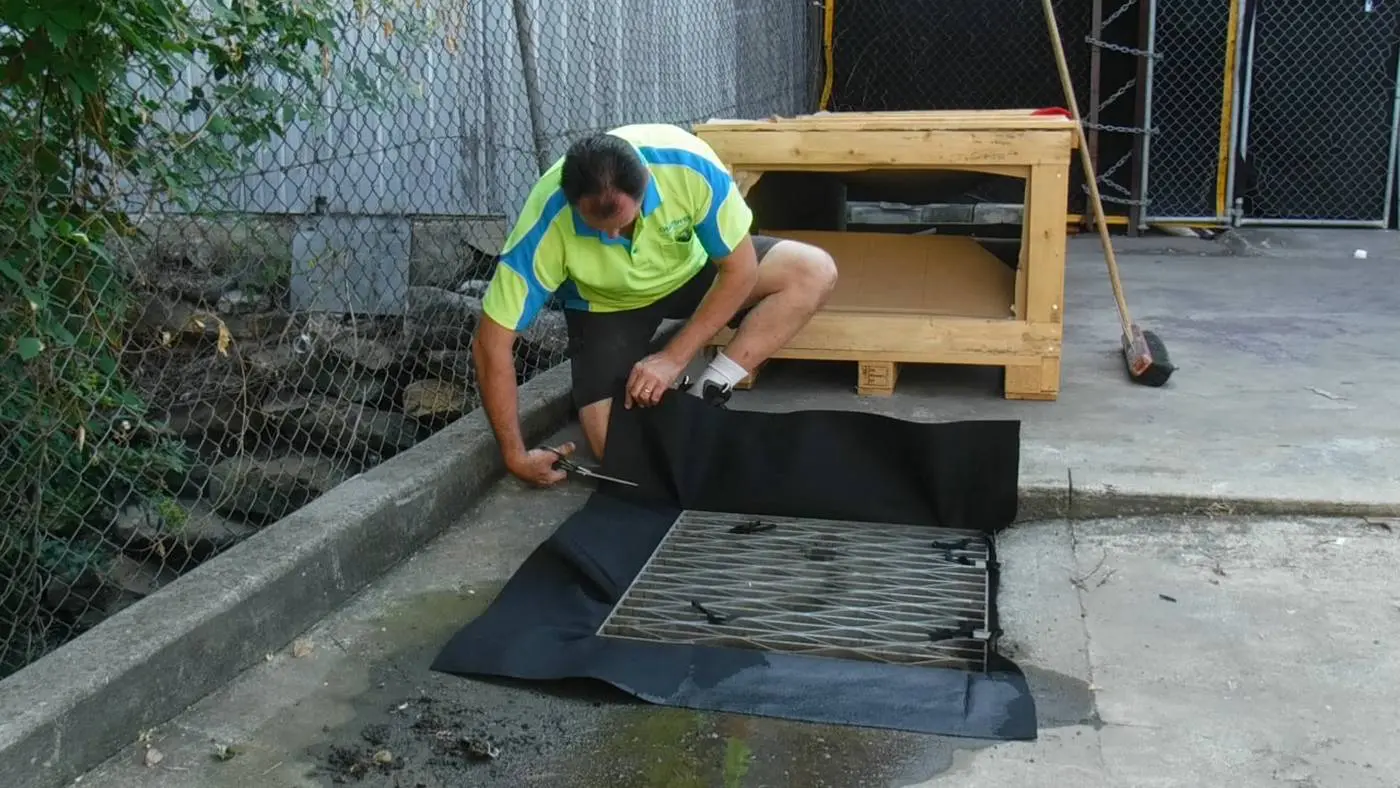
- 2Seal the pathway. Drain covers, seals and pipe socks close the pit while the clean-up runs.
- 3Recover the product. Oil-only pads, socks and booms take up what escaped.
- 4Document it. Record what was used, disposed of and restocked.
The WHS Regulations 2011 require you to manage risk from hazardous chemicals, and state environment protection legislation applies once a pollutant reaches waters.
Australia-Wide Delivery With Same Day Dispatch
Orders placed before 11 am are dispatched the same day and ship Australia wide from Pendle Hill in Western Sydney. That matters on the two occasions people buy oil spill kits in a hurry: mobilising a site, and restocking after an incident.
Onsite support is a separate question. Servicing, risk assessments, eye wash and safety shower inspections, installation and in person training are primarily New South Wales, with limited coverage into Queensland and Victoria. Products ship anywhere in Australia. Training runs as a 60 to 90 minute practical workshop aimed at ISO 14001 compliance requirements, at Sydney metro locations on weekdays.
Choosing the Right Oil Spill Kit Size
Size against the worst credible single release in the area, not the floor space:
- 1A 20 L drum or a hydraulic hose. A 25 L or 50 L vehicle bag covers it.
- 2A 205 L drum. A full drum failure releases 205 L, so a 240 L kit covers it with headroom.
- 3A 1,000 L IBC. Do not try to absorb it. Bund it. Containment is sized at 110 per cent of the largest container: 1,000 L x 1.1 = 1,100 L of bund capacity, and a 140 L kit handles the decant drips.
- 4A fleet. One bag per vehicle, plus a workplace kit at the hardstand.
Rather than work it out from a product grid, call 1300 912 949. We will match kits to your risk register and set up servicing so they stay audit ready.
FAQs
Can I use an oil spill kit on a chemical spill?
No. Oil-only absorbents are matched to hydrocarbons, and an aggressive acid or alkali can degrade or react with the media. Use a chemical kit for acids, alkalis and solvents, and a universal kit where the substance is unknown.
Will an oil spill kit work outdoors in the rain?
Yes, and that is the point of hydrophobic absorbent. Oil-only pads, socks and booms shed water and float, so they keep taking up fuel on a wet hardstand instead of loading with stormwater.
How do I dispose of used oil absorbents?
Saturated oil-only absorbent is a hydrocarbon waste. Bag it, label it and pass it to a licensed waste contractor under your site procedure. Record the volume so the spill register and the restock line up.
How often should an oil spill kit be inspected?
Monthly inspection is the practical standard, plus an immediate restock after use. Check the seal is intact and the contents match the kit list. Our servicing program runs the inspections and leaves you the record.
Want to book a spill training session?
Get in touch with our expert team and we will guide you through the process.