
Spill Kits
Showing 37–37 of 37 results
-
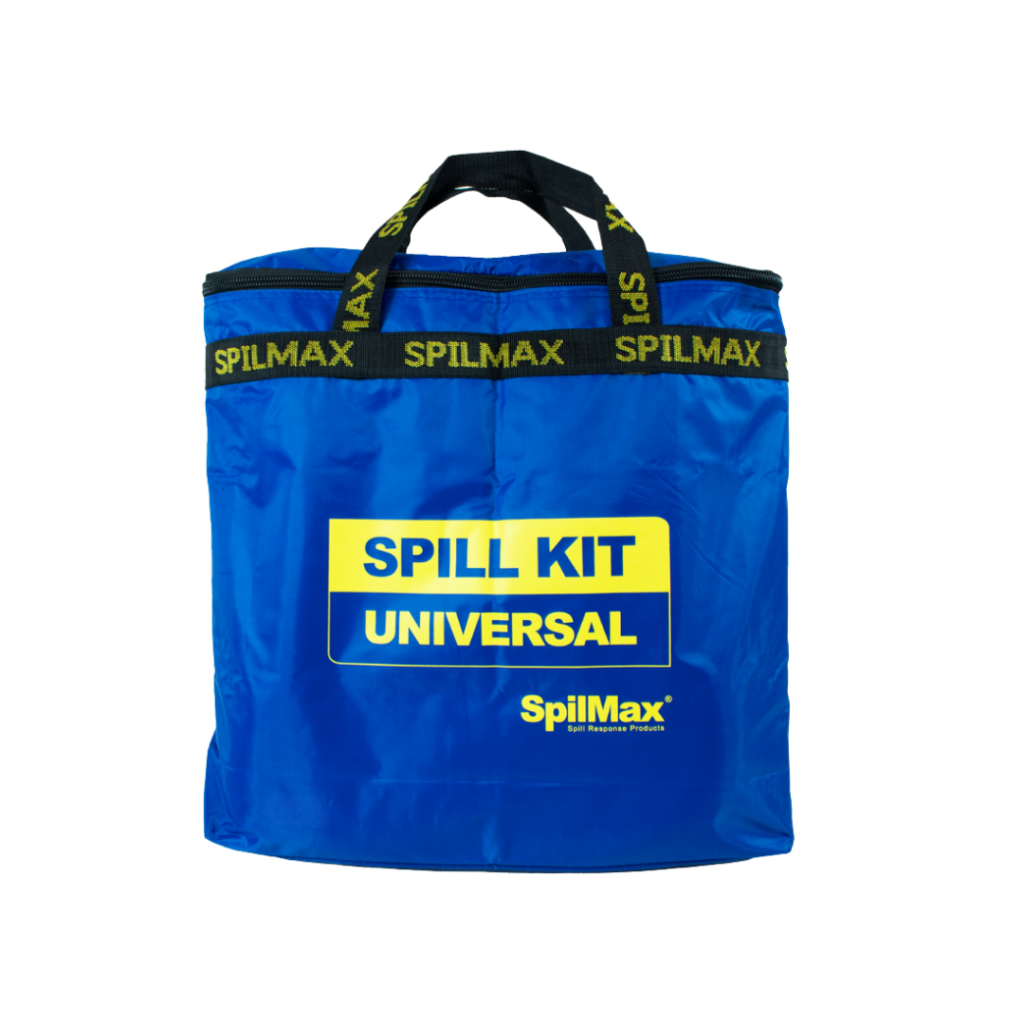
Vehicle Spill Kit Bag only (Blue) with stickers applied
$70.40 (inc. GST)
Extra Information
Spill kits
High-Performance Spill Kits for Australian Worksites
Spill kits are pre-assembled emergency response packages that contain, absorb and safely bag a liquid spill before it reaches soil, stormwater or a waterway. Each kit holds absorbent pads, socks and pillows matched to the liquid, plus the disposal bags, PPE and instructions to clean up and record it.
Akuna Services has supplied spill kits to Australian sites since 2016. We are 100 per cent Australian owned and operated, we dispatch same day on orders placed before 11 am, and we ship Australia wide. The range runs from a 25 L vehicle bag to 240 L workplace units.
2016
Supplying Australian sites since
11 am
Order cut off for same day dispatch
25 L to 240 L
Vehicle bags to workplace units
100%
Australian owned and operated
On this page
- 01What a Spill Kit Is and When Your Site Needs One
- 02Our Range of Oil, Fuel, Chemical, Universal and Marine Kits
- 03Spill Kit Sizes and Absorbent Capacities Explained
- 04Refills, Absorbent Pads, Booms and Spill Kit Extras
- 05Spill Kits for Workshops, Depots, Vehicles and Store Rooms
- 06Industries That Rely on Our Spill Kits Every Day
- 07Fast, Reliable Absorption That Protects Your Site
- 08Meeting Australian Workplace and Environmental Obligations
- 09Servicing, Restocking and Spill Response Training
- 10Choosing the Right Spill Kit for Your Site
- 11FAQs
What a Spill Kit Is and When Your Site Needs One
A spill kit exists so the first person on scene can act inside the first minute. The response runs in three stages: stop the source, contain the spread, then absorb and bag the residue for licensed disposal. Our 7 Step Spill Response Guide sets that out for non-specialist crews.
1
Stop the source
2
Contain the spread
3
Absorb and bag the residue
Your site needs kits on hand when any of these apply:
- You store or decant fuel, oil, solvents, acids or alkalis
- Plant and vehicles are refuelled or serviced over unsealed ground
- A stormwater pit or drain sits downstream of a handling area
- An audit or principal contractor wants documented capability
- A new site is mobilising, or the wet season is approaching
Our Range of Oil, Fuel, Chemical, Universal and Marine Kits
The category carries 37 products across four chemistries. The choice comes down to what the absorbent must pick up and whether water is present.
| Kit type | Absorbs | Typical placement |
|---|---|---|
| Oil and fuel | Hydrocarbons, repels water | Refuelling bays, plant yards, wash bays |
| Chemical | Acids, alkalis, solvents | Chemical stores, decant areas |
| Universal | Any liquid, including water | Warehouses, floors, docks |
| Marine | Hydrocarbons on water | Wharves, vessels, dams |
Workplace kits come in wheeled bins so one person can move them to the spill. Vehicle kits, such as the 25 L Oil and Fuel Vehicle Spill Kit Bag, are soft bags for a ute tray. Chemical kits are also offered with 15 L of floor sweep for porous surfaces.
Spill Kit Sizes and Absorbent Capacities Explained
The litre figure in the product name is absorbent capacity, not the size of the bin. A 240 L kit takes up roughly 240 litres of free liquid. Size against the worst credible release in the area:
Worked examples
- A 205 L drum. A full drum failure releases 205 L, so a 240 L kit covers it with headroom.
- A 1,000 L IBC. Do not absorb 1,000 L. Bund it. Containment is sized at 110 per cent of the largest container, so 1,000 L x 1.1 = 1,100 L of bund capacity, and a 140 L kit handles the decant drips.
- A 60 L fuel tank. A 25 L bag covers the loss from a split line or knocked filler.
RelatedBunded Pallets →
Refills, Absorbent Pads, Booms and Spill Kit Extras
A half empty kit is a finding waiting to happen at audit, so refills matter as much as the kit itself. We stock vehicle and workplace refill packs matched to each kit, so a restock is one line item.
The loose absorbent range builds capability around it:
- Pads and rolls for drips, benches and known leak points
- Socks and pillows to ring a spill, dam it short of a drain or soak up pooling
- Booms for larger perimeters and hydrocarbons on open water
- Wipes, floor sweep, spill mats, PPE and spill kit extras
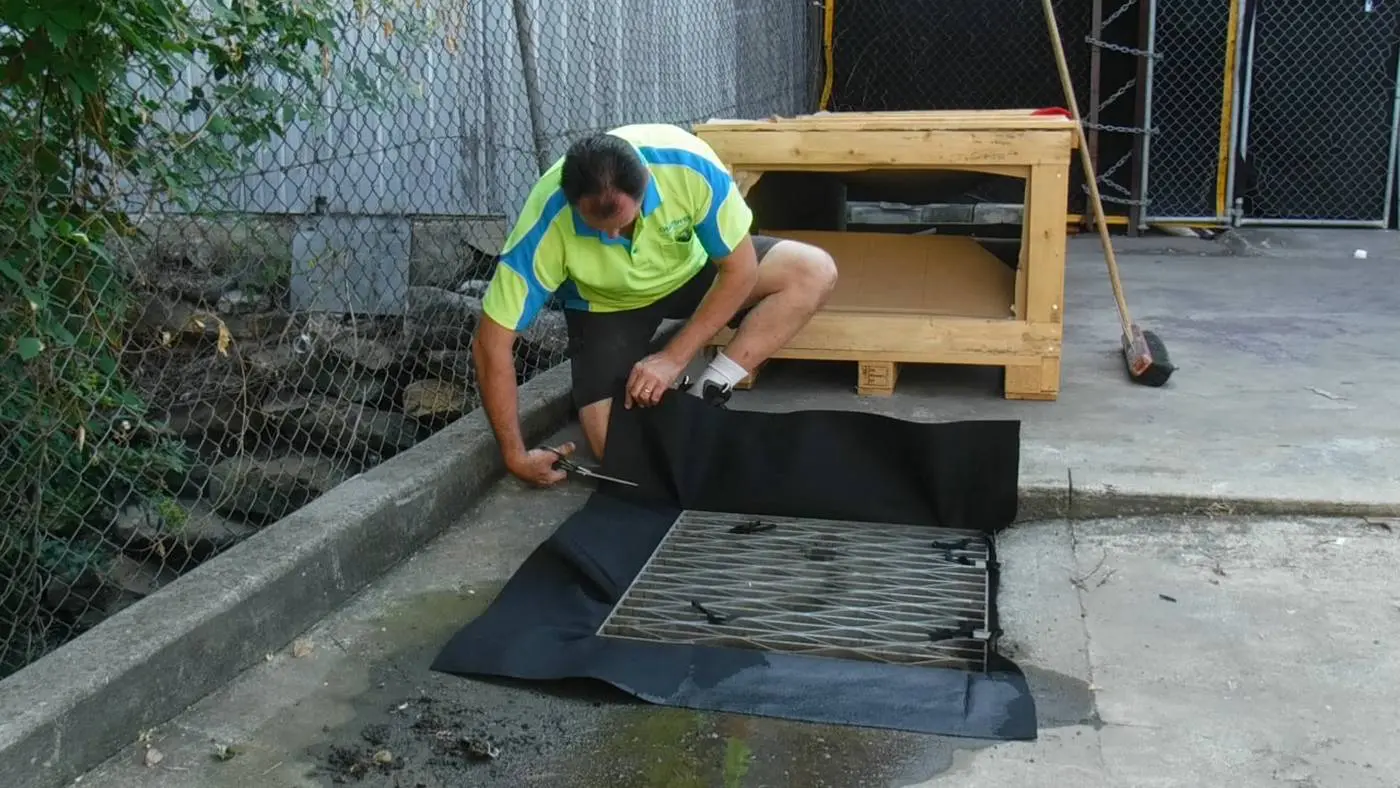
Pair these with drain protection so a spill that beats you to the pit is still stopped.
RelatedDrain Covers →
Spill Kits for Workshops, Depots, Vehicles and Store Rooms
Placement decides whether a kit gets used. Kits belong within sight of the risk, not in a locked store across the yard. Keep them accessible, signed and out of direct sunlight.
Workshops and plant bays take a 140 L or 240 L oil and fuel kit near the hoist and wash bay. Chemical stores take a chemical kit with floor sweep, sited outside the bund so it is reachable when the bund is what failed. Warehouses take a universal kit near the dock, service vehicles carry a 25 L bag, and work over water takes a marine kit.
Industries That Rely on Our Spill Kits Every Day
We supply civil and construction, industrial, mining, logistics and transport, utilities, local government, defence and marine operators nationally, each against a different failure mode.
- Civil and construction: bowsers, plant refuelling, drain protection
- Mining and resources: workshop hydraulics, heavy vehicle servicing, remote sites
- Logistics and transport: loading docks, forklift batteries, dangerous goods
- Utilities and local government: transformer oil, depot fleets, pump stations
- Marine and ports: bunkering, vessel maintenance, hydrocarbons on water
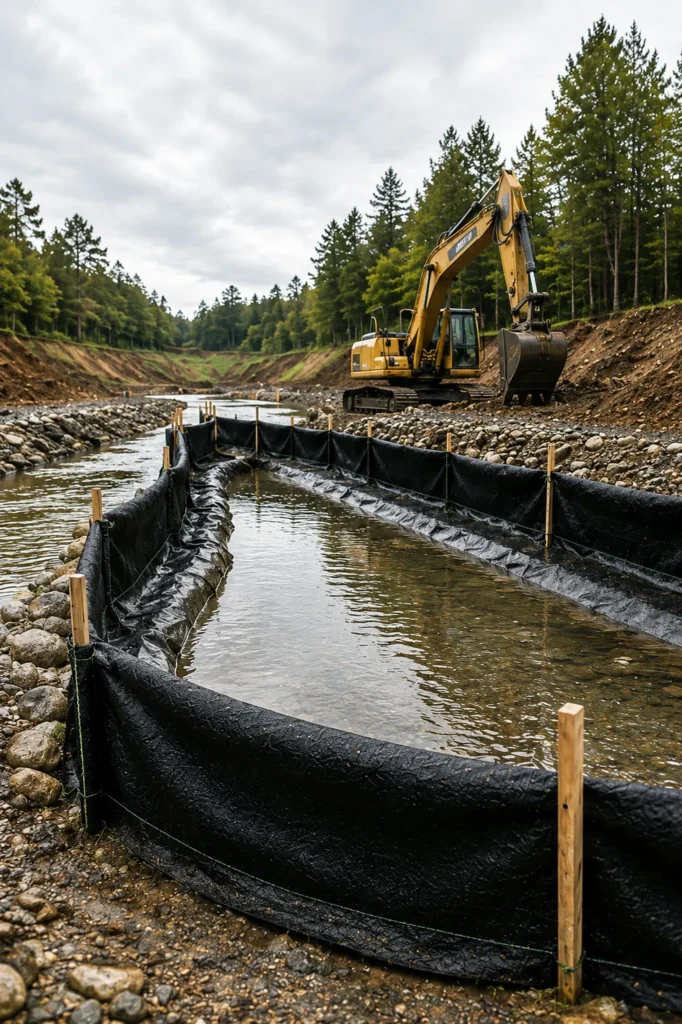
Where the risk is runoff rather than liquids, the same buyers need sediment control too.
RelatedSilt and Sediment Control →
Fast, Reliable Absorption That Protects Your Site
Speed of pick-up limits the damage. Oil and fuel absorbents are hydrophobic: they take up hydrocarbons, shed water, and keep working in the rain instead of loading with stormwater. Chemical absorbents stay stable against aggressive substances rather than breaking down mid clean-up.
Build quality matters as much as chemistry. Kits are supplied in sealed, wheeled containers that keep contents dry and dust free, so the absorbent performs the day you open it. We stock Chatoyer, SpilMax, Ultratech, Accumax Global, DrainSAFE and Ecocoast, and are a direct Ecocoast distributor.
Meeting Australian Workplace and Environmental Obligations
Your obligations sit across several instruments. The WHS Regulations 2011 require you to manage risk from hazardous chemicals, which includes the means to respond to a spill. AS 1940-2017 governs flammable and combustible liquids, AS 3780 covers corrosive substances and AS/NZS 1596 applies to LP Gas. State environment protection legislation bites separately once a pollutant reaches waters.
To an auditor, the kit is half the evidence. The other half is the record: where kits sit, what they contain, when they were last inspected and who is trained. Our servicing program produces that record, and if your system is built to ISO 14001, our training helps you meet those requirements.
Servicing, Restocking and Spill Response Training
We run a spill kit servicing and maintenance program covering supply, auditing and management across a whole site, so kits are inspected, restocked and documented without your team chasing them. We also deliver environmental risk assessments, and eye wash and safety shower inspections.
Training is a 60 to 90 minute practical workshop aimed at ISO 14001 compliance requirements, run at Sydney metro locations on weekdays, all experience levels. A 30 minute toolbox talk covers the 7 Step Spill Response Guide onsite. Onsite services are primarily New South Wales, with limited coverage into Queensland and Victoria.
RelatedSpill Response Training →
Choosing the Right Spill Kit for Your Site
Work through it in this order:
- 1Identify the liquid. Hydrocarbons, aggressive chemicals, mixed or unknown, or hydrocarbons on water. That sets oil and fuel, chemical, universal or marine.
- 2Size to the largest container, then check whether bunding should carry that volume.
- 3Decide the format. Wheeled bin for fixed areas, soft bag for vehicles.
- 4Add the extras. Floor sweep, drain covers upstream of any pit, and refills.
- 5Set the review cycle. Monthly inspection and restock after use.
Rather than work it out from a product grid, call 1300 912 949. We will assess your site, match kits to your risk register and set up servicing so they stay audit ready.
FAQs
How do I know what size spill kit my site legally needs?
No single litre figure is set in legislation. Size against the largest credible release in each area and show the working in your risk assessment. Where bulk containers are involved, containment at 110 per cent does the heavy lifting.
What is the difference between an oil and fuel kit and a universal kit?
Oil and fuel absorbents repel water, which makes them right for outdoors, wash bays and work around water. Universal absorbents take any liquid including coolant, suiting indoor floors and unknown substances.
How often should spill kits be inspected?
Monthly inspection is the practical standard, plus an immediate restock after any use. Confirm the seal is intact and the contents match the kit list. Our servicing program handles this and leaves you the record.
Can I get a spill kit serviced at my site?
Yes, within our service footprint. Servicing, risk assessment, eye wash and safety shower inspection and in person training are primarily New South Wales, with limited coverage into Queensland and Victoria. Products ship Australia wide.
Want to book a spill training session?
Get in touch with our expert team and we will guide you through the process.