
Stormwater Drain Protection
Showing 13–17 of 17 results
-

Ultra-Kerb Guard Plus
Price range: $192.50 through $214.50 (inc. GST)
-
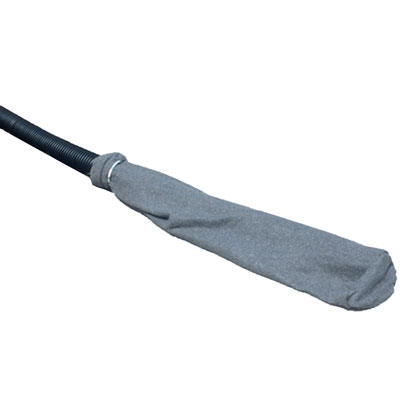
Ultra-Pipe Sock
Price range: $77.00 through $104.50 (inc. GST)
-
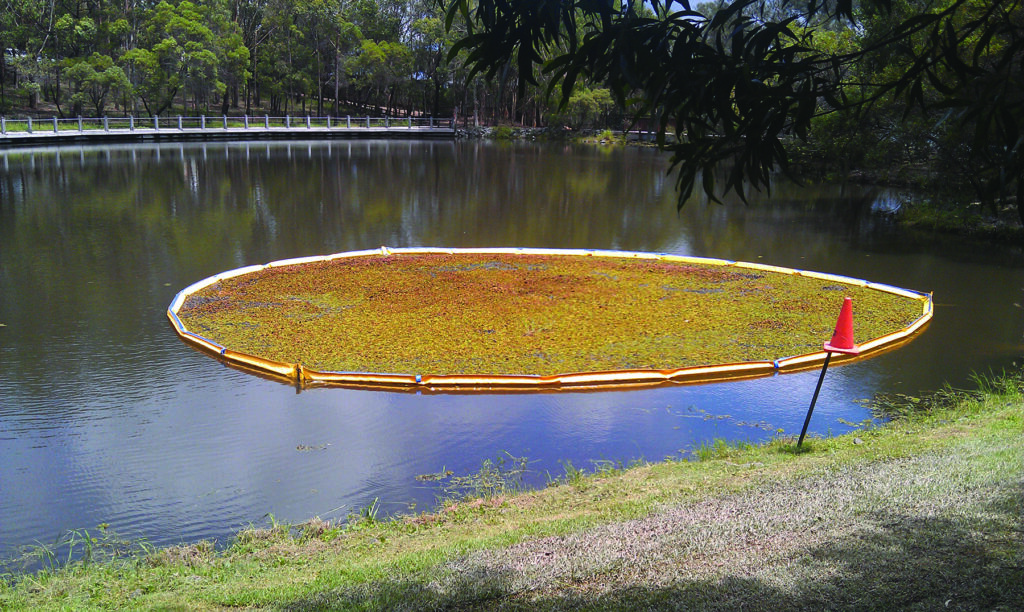
Weed Boom
$1,688.50 (inc. GST)
-
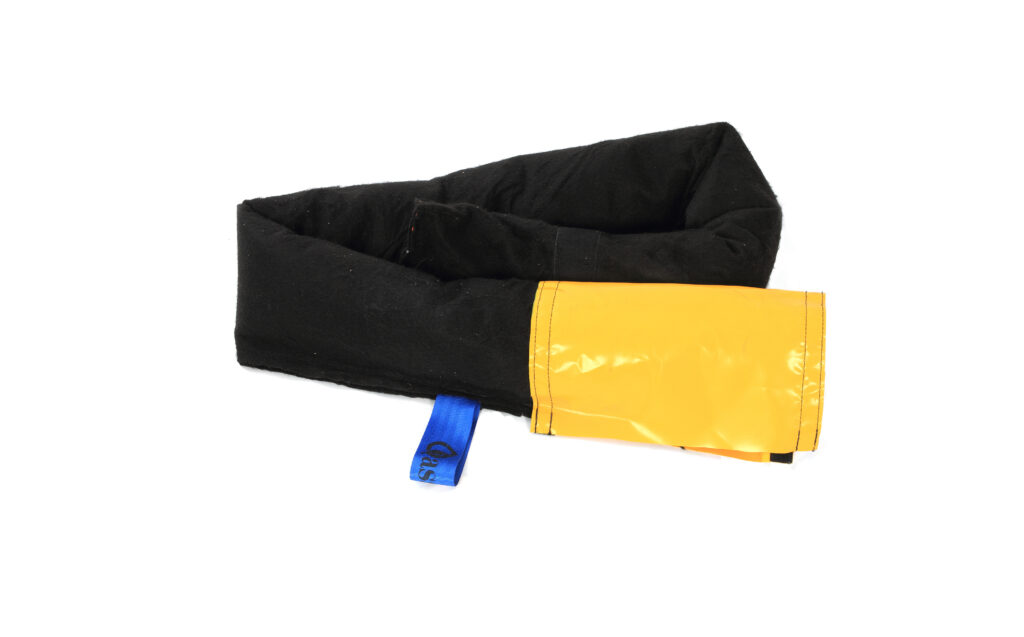
Weighted Containment Boom
Price range: $434.50 through $665.50 (inc. GST)
-
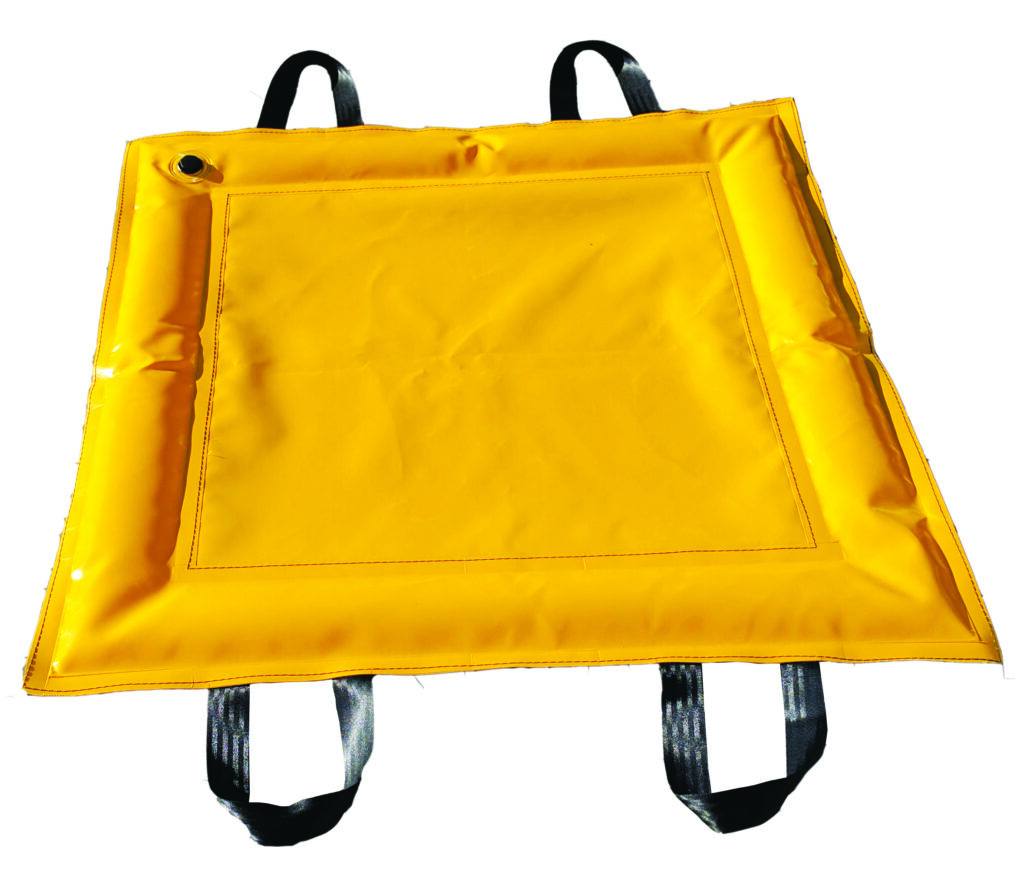
Weighted Drain Cover
Price range: $500.50 through $638.00 (inc. GST)
Extra Information
Stormwater Drain Protection
Complete Stormwater Drain Protection for Australian Sites
Stormwater drain protection is the set of devices fitted at or over a drainage inlet to stop sediment, litter, hydrocarbons and spilled liquid entering the stormwater system. Some filter what passes through the inlet, others seal it completely, and most sites need both.
Akuna supplies it for grated pits, kerb inlets and open drains: drain guards, drain seals, drain covers, DrainSafe, Drain Warden, pipe socks and booms. We are 100 per cent Australian owned and operated, founded in 2016, with same day dispatch before 11 am.
Filter or seal
Two jobs at every inlet
Pits, kerbs, drains
Grated pits, kerb inlets and open drains
11 am
Order cut off for same day dispatch
100%
Australian owned and operated
On this page
- 01What Stormwater Drain Protection Does at the Inlet
- 02Our Range of Drain Guards, Drain Seals and Drain Inserts
- 03DrainSafe, Drain Warden and Weighted Cover Options
- 04Sizes for Grated Pits, Kerb Inlets and Open Drains
- 05Stormwater Protection for Construction and Civil Sites
- 06Wet Season and Storm Event Readiness
- 07Filtering Sediment, Litter and Hydrocarbons Before Discharge
- 08Meeting Council and EPA Stormwater Obligations
- 09Australia-Wide Delivery on Stormwater Drain Protection
- 10Installing, Inspecting and Emptying Your Drain Protection
- 11FAQs
What Stormwater Drain Protection Does at the Inlet
The inlet is the last point at which you control what leaves your site. Once material passes the grate it is in a pipe heading for a creek or the harbour, and recovery moves from a broom to contractors, sampling and an incident report.
Protection at the inlet does one of two jobs. A filter sits in or over the pit and lets water through while retaining sediment, litter and, with the right media, hydrocarbons. A seal blocks the inlet outright for a spill or a high risk task, then comes off. Filters are permanent and need emptying, seals are temporary and belong within reach of the risk, and an auditor expects both.
Our Range of Drain Guards, Drain Seals and Drain Inserts
Drain guards are the workhorse of stormwater drain protection. The Ultra-Drain Guard range comes in several configurations, matching the device to the pit and the pollutant.
- Adjustable Frame. For pits where the opening varies or the grate is non standard.
- High Capacity. For inlets carrying heavier sediment or flow.
- Oil and Sediment. Sediment plus hydrocarbons, where fuel or plant washdown is in play.
- Reusable. Emptied, cleaned and refitted rather than replaced.
Drain seals block rather than filter. The Ultra-Drain Seal range covers the Standard, Clear and Plus models, with a Storage Container Wall Mount so the seal lives at the risk.
DrainSafe, Drain Warden and Weighted Cover Options
Some inlet devices stay in place and trap pollutants continuously. The DrainSAFE Stormwater Isolation and Pollution Prevention Device is a retrofit unit that isolates a drain and keeps pollutants out of the line, in variants to suit different inlets. The Drain Warden is a gross pollutant trap, holding back coarse sediment and debris, and it captures hydrocarbons, oils and fuels when paired with an absorbent bilge boom.
For rapid isolation, the Weighted Drain Cover seals a pit under its own weight, and water filled covers do the same where weight is added on site. UV stabilised additives extend service life and keep them recyclable.
RelatedDrain Covers →
Sizes for Grated Pits, Kerb Inlets and Open Drains
Drain protection is sized to the inlet, not to the site. Measure before you order.
- 1Grated pits. Record the clear opening in millimetres. A framed guard seats under the grate, so the frame must clear the rebate.
- 2Kerb inlets. Measure the throat width and height, and note any lintel or step that changes how the device seats.
- 3Open drains and pipe outlets. Measure the channel width and run length for a sock or boom, or the pipe diameter for a pipe sock.
Where an opening falls between sizes, send the dimensions and a photograph and we will confirm the fit.
Stormwater Protection for Construction and Civil Sites
On a civil or construction site the risk is mostly sediment. Exposed soil, haul routes, stockpiles and concrete work all shed fines, and one storm across an unprotected pit undoes weeks of it.
- Bulk earthworks and subdivisions. Guards on every downstream pit, silt socks upslope, and an inspection routine.
- Concrete and grout work. Inlet protection plus a concrete washout bund so slurry never reaches the pit.
- Refuelling areas, depots and compounds. Oil and sediment guards, with a seal or cover beside the task.
The inlet is the last defence, not the first: pair it with silt and sediment control products upslope.
Wet Season and Storm Event Readiness
Inlet protection is judged on the day it rains hardest, so size the job with the catchment.
Worked example
- A 1,000 square metre sealed hardstand shedding 20 mm of rain produces 1,000 x 0.020 = 20 cubic metres of runoff, or 20,000 litres across the pits serving it.
- A guard three quarters full will not handle that.
- 1Inspect and empty everything before the first storms, not after, and order spares early, because a guard that fills mid event has to be swapped rather than cleaned.
- 2Check the seals and covers are at the risk points, then walk the flow paths after the first rain and fix what overtopped.
Filtering Sediment, Litter and Hydrocarbons Before Discharge
Sediment, litter and hydrocarbons are each caught differently. Sediment is a filtration job through a geotextile of the right pore size. It must pass water fast enough to avoid bypass while holding the fines, so flow rate and pore size, not fabric weight, decide performance. Test methods for geotextile properties sit under AS 3706.
Litter and coarse debris are a capture job, which is what a gross pollutant trap like the Drain Warden is built for. Hydrocarbons need an oleophilic medium: the Ultra-Drain Guard Oil and Sediment option, or an absorbent bilge boom. Treating all three means layering devices, not hoping one insert does it all.
Meeting Council and EPA Stormwater Obligations
Discharging sediment, litter or hydrocarbons to stormwater is a pollution event under state environment protection legislation, and the site occupier wears it. Councils and principal contractors routinely require an erosion and sediment control plan naming the inlet controls and who checks them.
- The plan and register. Inlet controls marked on the drainage plan with the device type for each pit, listed with install date, inspection frequency and dated emptying records.
- The people. Crews who know the trigger to deploy a seal, which our spill response training covers in a 60 to 90 minute practical workshop aimed at ISO 14001 compliance requirements, at Sydney metro locations on weekdays.
Where liquids are stored on site, bunding runs in parallel: AS 1940-2017 sets compound bunding at 110 per cent of the largest container, so a 1,000 L IBC needs 1,100 L. ISO 14001 is the standard your organisation meets, and our training helps you meet it.
Australia-Wide Delivery on Stormwater Drain Protection
Stormwater drain protection ships Australia wide from our Pendle Hill base, with same day dispatch on orders placed before 11 am, from one pit to a whole compound.
Onsite work is different and we are straight about it. Installation, servicing, environmental risk assessment and in person training are primarily New South Wales, with limited coverage into Queensland and Victoria through contractors and partners. To streamline your project, Akuna offers:
- Australia wide delivery
- Comprehensive stormwater solutions
- Regulatory compliant products
- Commitment to sustainability
- Efficient customer service
Installing, Inspecting and Emptying Your Drain Protection
A drain guard that is never emptied is worse than no guard, because it holds sediment until the next storm washes it through.
- 1Install correctly. Lift the grate with an Ultra-Grate Hook, seat the frame squarely in the rebate and refit the grate flush.
- 2Inspect on a cycle and after rain. Monthly suits a stable site, weekly or daily during earthworks.
- 3Empty at half capacity. Sediment reduces flow long before the guard looks loaded.
- 4Dispose of it properly. Hydrocarbon loaded media is regulated waste.
- 5Record it. Date, device, location and volume removed.
We all share the responsibility for keeping Australian waterways clean, and the inlet is where that is easiest. For installation and inspection handled for you, see our stormwater product installation and maintenance service or call 1300 912 949.
FAQs
What is the difference between a drain guard, a drain seal and a drain cover?
A drain guard is a filter that sits in or over the inlet and stays there, catching sediment, litter and, with the right media, hydrocarbons. A drain seal and a drain cover block the inlet completely, and are deployed only for a spill or a high risk task. Most sites need both.
How do I know which size to order?
Measure the clear opening of a grated pit in millimetres, the throat width and height of a kerb inlet, or the pipe diameter for a pipe sock. Adjustable frame guards cover non standard pits. Send dimensions and a photograph and we will confirm the size.
How often should drain guards be inspected and emptied?
Inspect on a set cycle and after every significant rainfall, and empty at about half capacity rather than waiting until it is full. During earthworks that can mean weekly or daily, and dated records of each empty are what an auditor asks for.
Will this satisfy a council erosion and sediment control plan?
Inlet protection is normally one required element, alongside upslope controls such as silt socks, silt fencing and stabilised site access. The plan is satisfied by the whole system, plus records showing it is maintained.
Want to book a spill training session?
Get in touch with our expert team and we will guide you through the process.