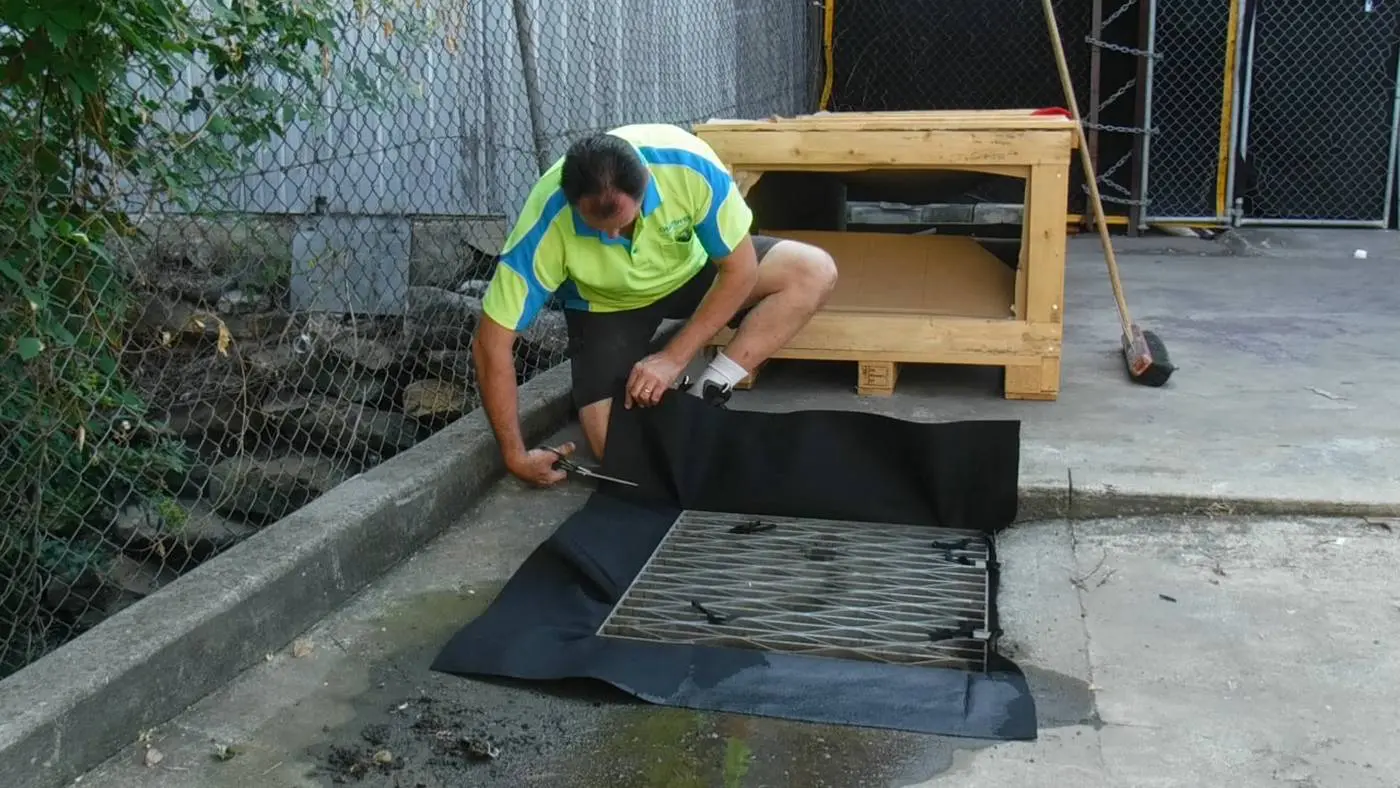

Silt and Sediment Control
Showing all 8 results
-
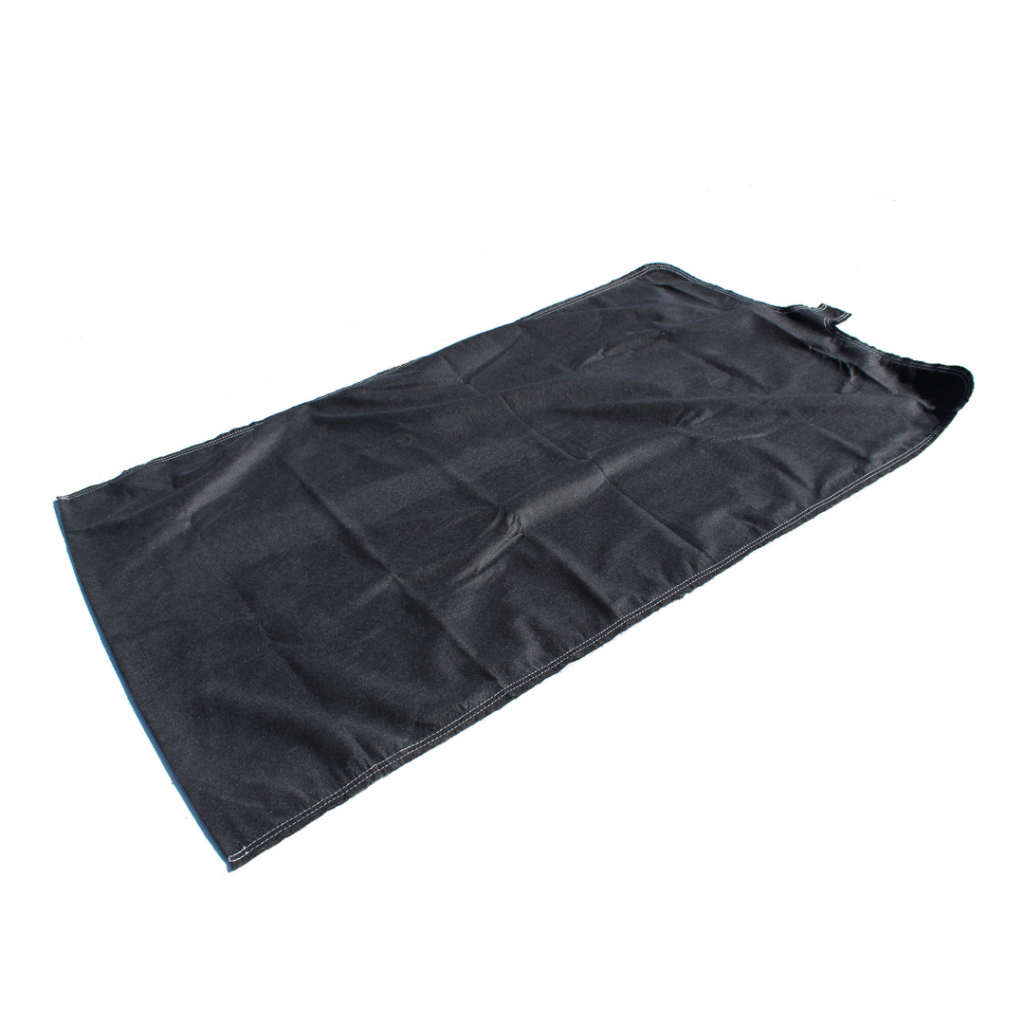
Chatoyer Dewatering Bag
Price range: $33.00 through $462.00 (inc. GST)
-
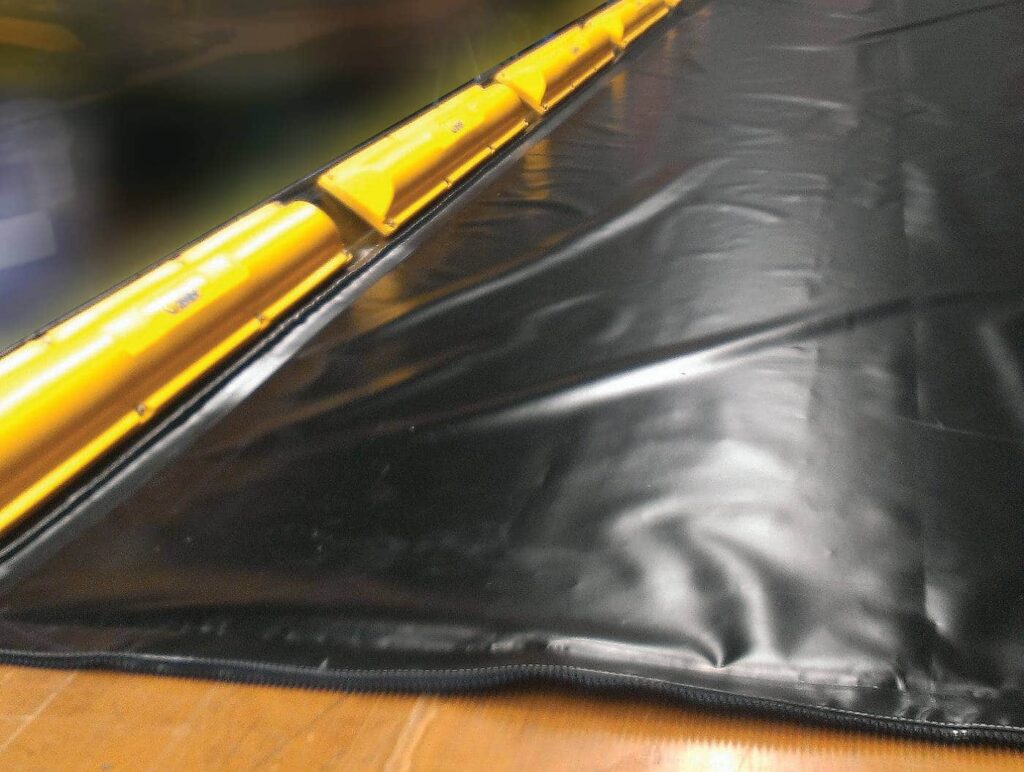
Floating Baffles
Price available upon request
-
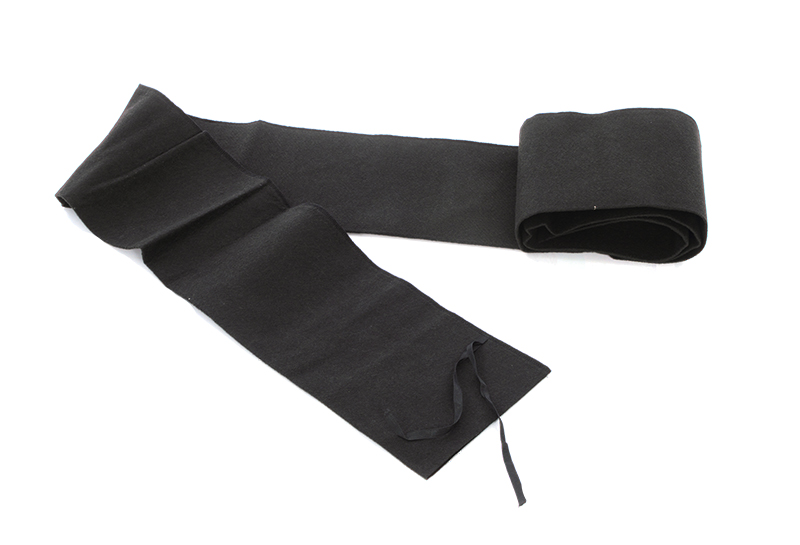
Geotextile Silt Socks
Price range: $5.50 through $154.00 (inc. GST)
-
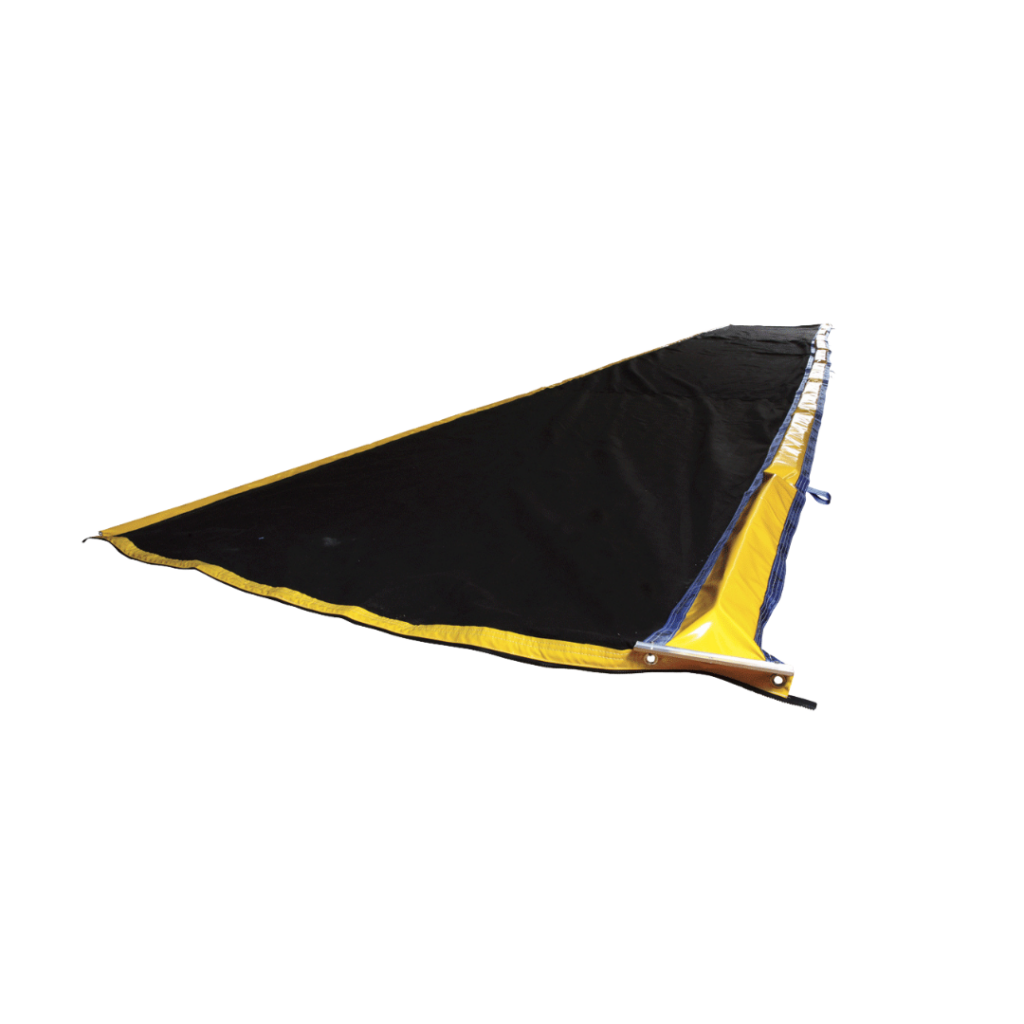
Silt Curtain
Price range: $16.50 through $1,644.50 (inc. GST)
-
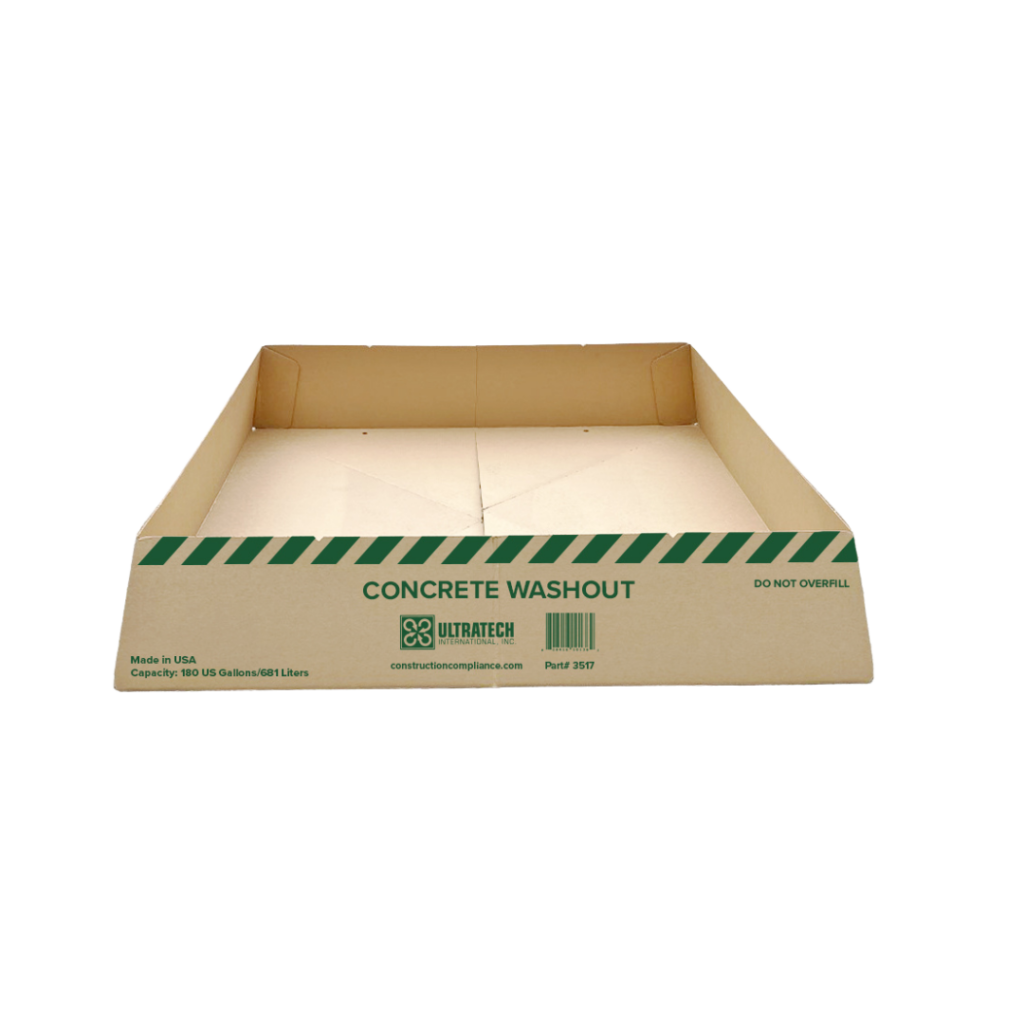
Ultra-Concrete Washout Bund Economy
Price range: $121.00 through $253.00 (inc. GST)
-
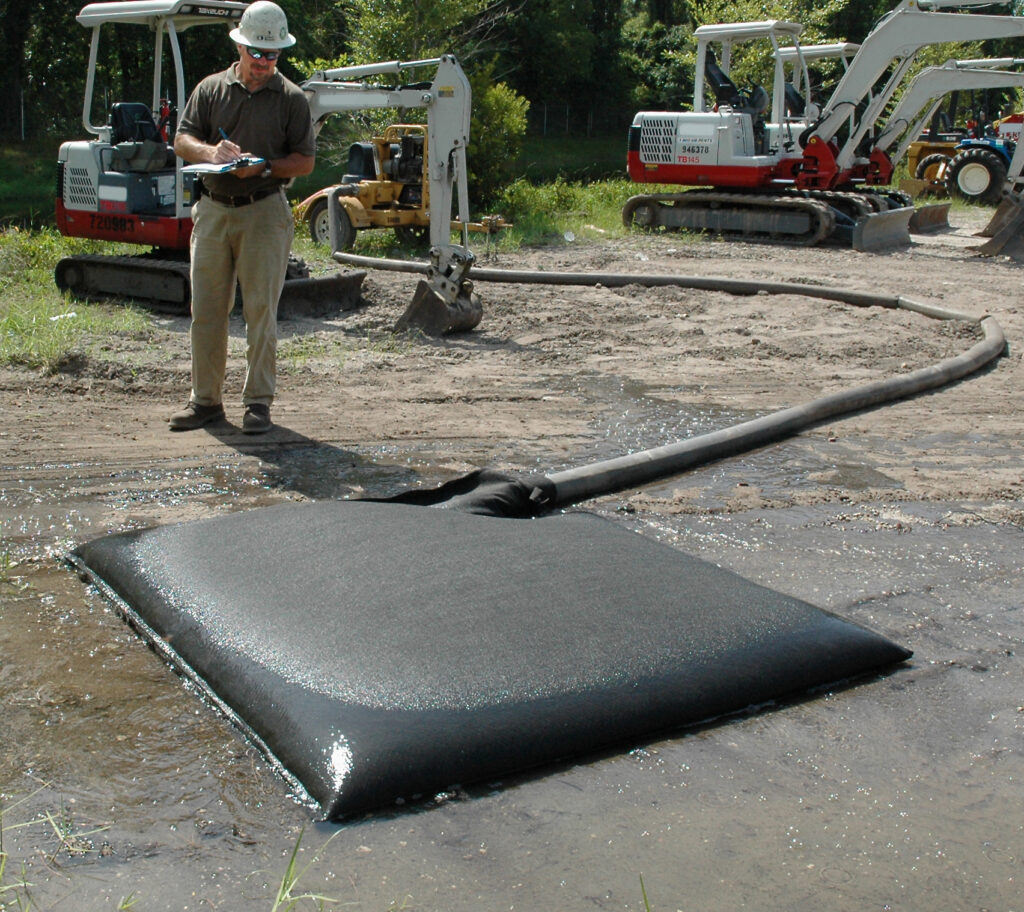
Ultra-Dewatering Bag Oil & Sediment Model
Price range: $137.50 through $649.00 (inc. GST)
-
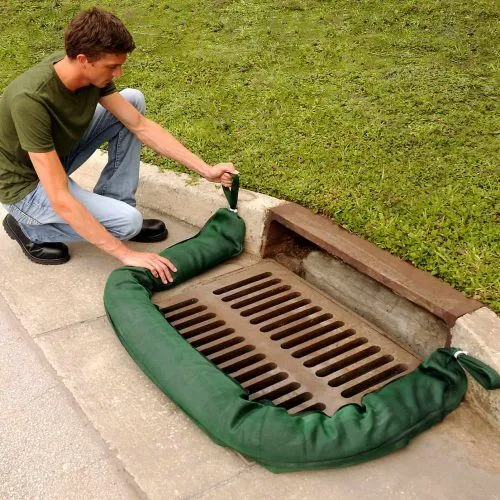
Ultra-Filter Sock
Price available upon request
-
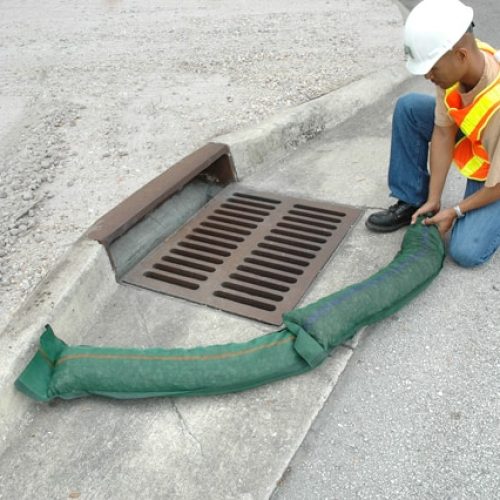
Ultra-Gravel Bag
$2,178.00 (inc. GST)
Extra Information
Silt and Sediment Control
Complete Silt and Sediment Control for Australian Projects
Silt and sediment control is the set of products that keep disturbed soil on site instead of letting it wash into a drain, a creek or the sea. Controls work in three places: on the ground where soil is exposed, in the water where work meets a waterway, and at the discharge point.
Akuna supplies it for civil, construction, mining, utilities and council projects: silt curtains, silt socks, dewatering bags, concrete washout bunds, floating baffles and Silt Warden. We are 100 per cent Australian owned and operated, founded in 2016, with same day dispatch before 11 am.
Land, water, discharge
The three places controls work
11 am
Order cut off for same day dispatch
2016
Founded
100%
Australian owned and operated
On this page
- 01What Sediment Control Is and Why Councils Require It
- 02Our Range of Curtains, Socks, Dewatering Bags and Washout Bunds
- 03Floating Baffles and Silt Warden Sediment Systems
- 04Controls for Land, Water and Discharge Points
- 05Sediment Control for Civil, Construction and Mining
- 06Wet Season Planning and Storm Event Response
- 07Keeping Sediment on Site and Out of the Waterway
- 08Meeting Council, EPA and Sediment Control Plan Obligations
- 09One Australian Supplier for Every Sediment Product
- 10Building Sediment Control into Your Site Plan
- 11FAQs
What Sediment Control Is and Why Councils Require It
Sediment is the largest pollutant by volume leaving Australian construction sites. Fine soil in runoff raises turbidity, smothers aquatic habitat and settles in drainage lines, and once it is in the stormwater system it is not coming back.
That is why councils and principal contractors ask for an erosion and sediment control plan before work starts. The plan names the controls, shows where they go and says who inspects them.
It is also the cheaper path: clearing a blocked drainage line and answering a regulator cost more than the controls that would have held the soil.
Our Range of Curtains, Socks, Dewatering Bags and Washout Bunds
Akuna stocks the core products in multiple sizes, so controls are matched to the site rather than improvised.
- Silt Curtain. Suspended barrier that isolates in water works and contains suspended solids, sized for creeks, ponds and open water.
- Geotextile Silt Socks and Ultra-Filter Sock. Perimeter and inlet controls that slow flow and filter fines, laid along contours, around pits and across kerbs.
- Chatoyer Dewatering Bag and Ultra-Dewatering Bag Oil and Sediment Model. Filtration bags for pumped water, the second capturing hydrocarbons as well as silt.
- Ultra-Concrete Washout Bund Economy. Contains concrete, grout and render washout so slurry never reaches a pit.
- Ultra-Gravel Bag. Weighting and diversion for kerbs and channels.
Our dewatering bags use 260 gsm geotextile with a 90 micron pore size, passing liquid freely while holding the fines, with 50 and 100 mm polypropylene Camlocks for hose connection.
RelatedConcrete Washout Bunds →
Floating Baffles and Silt Warden Sediment Systems
Some sediment work is about slowing water down rather than filtering it. Floating Baffles are installed across a sediment basin to lengthen the flow path, so water takes longer to cross and solids have time to settle before the outlet. A basin with baffles does its job instead of short circuiting from inlet to outlet.
Silt Warden and the wider range cover what a basin and a curtain cannot reach. Used together, baffles handle settlement, curtains handle in water containment, socks handle overland flow and dewatering bags handle what you pump.
Controls for Land, Water and Discharge Points
Sediment control is easiest to plan when you separate the places soil can leave.
| Where | Problem | Product |
|---|---|---|
| On land | Overland flow across disturbed soil and stockpiles | Silt socks, gravel bags |
| In water | Dredging, piling and bank works | Silt curtains, floating baffles |
| At discharge | Pumped water from excavations | Dewatering bags, filter socks |
| At the inlet | Runoff reaching a stormwater pit | Drain guards |
Most projects need all four at once, and the common mistake is relying on inlet protection alone. A drain guard is the last line, not the plan: pair it with stormwater drain protection.
Sediment Control for Civil, Construction and Mining
Every project that disturbs soil generates sediment, but the shape of the risk changes with the work.
- Civil and road construction. Long linear sites, cut and fill batters, and drainage that goes live before the surface is stabilised.
- Subdivisions and bulk earthworks. Large exposed areas, stockpiles and haul routes that turn to slurry.
- Bridge and waterway works. In water construction where a silt curtain is the primary control.
- Mining, utilities and councils. Access tracks, basin management and trenching, plus washout bunds wherever a chute or pump is rinsed.
Sites usually order silt curtains and silt socks at mobilisation, then add dewatering bags when the first excavation fills.
Wet Season Planning and Storm Event Response
Sediment control is judged on the wettest day, so plan around the catchment.
Worked example
- A 5,000 square metre disturbed area shedding 30 mm of rain produces 5,000 x 0.030 = 150 cubic metres of runoff.
- That is 150,000 litres looking for the lowest point on your site.
- 1Stabilise what you can. Every square metre covered or seeded is runoff you do not have to treat.
- 2Inspect and clean every control. Remove collected sediment at about one third of the device height, so a 600 mm high control is cleaned at 200 mm.
- 3Check the dewatering setup and hold spares, because a sock that fails mid storm is replaced, not cleaned.
Keeping Sediment on Site and Out of the Waterway
We all share the responsibility for keeping Australian waterways clean, whether the job is major infrastructure or a single lot build. Sediment that leaves a site does not stop at the boundary: it follows the drainage line to a creek and eventually the coast.
Good control is layered. Slow the water with socks and baffles so solids drop out, filter what still moves through a geotextile sized for the particles you carry, and contain in water works with a curtain. Performance is a combination of pore size and flow rate rather than fabric weight alone, and test methods sit under AS 3706. Our products hold up through heavy rain and long sun, so a control installed at mobilisation still works at handover.
Meeting Council, EPA and Sediment Control Plan Obligations
Releasing sediment to a waterway is a pollution event under state environment protection legislation, and the site occupier carries it. The erosion and sediment control plan is usually a condition of consent, and an auditor checks it against what is on the ground.
- The plan and register. Controls drawn on the site plan with the product type for each, listed with install date and inspection frequency.
- The records. Dated inspections, rainfall triggered checks, and crews who know when to clean each control.
Where fuel is stored alongside the earthworks, bunding runs in parallel: AS 1940-2017 sets compound bunding at 110 per cent of the largest container, so a 1,000 L IBC needs 1,100 L. ISO 14001 is the standard your organisation meets, and our spill response training is a 60 to 90 minute practical workshop at Sydney metro locations on weekdays.
One Australian Supplier for Every Sediment Product
Buying curtains from one supplier, socks from another and dewatering bags from a third makes the register harder to keep. Akuna carries the whole range, plus the stormwater, spill and containment products beside it, so one order covers the site.
Products ship Australia wide with same day dispatch before 11 am. Onsite services, including installation, environmental risk assessment and in person training, are primarily New South Wales, with limited coverage into Queensland and Victoria through contractors and partners. Akuna offers:
- Australia wide delivery
- Comprehensive sediment solutions
- Regulatory compliant products
- Commitment to sustainability
- Efficient customer service
Building Sediment Control into Your Site Plan
Sediment control works when it is designed in at mobilisation, not added after the first inspection notice.
- 1Map the catchment. Know where water enters, collects and leaves.
- 2Control at the source. Stabilise, cover and stage the earthworks so less soil is exposed.
- 3Layer the controls down the slope. Socks and gravel bags on the contours, a basin with floating baffles where volume collects, inlet protection last.
- 4Plan the dewatering. Match bag capacity to pump output, using the oil and sediment model where plant works in the excavation.
Tell us the site area, the soil type and the discharge points and we will specify against them. Browse the silt and sediment control range or call 1300 912 949.
FAQs
What is the difference between a silt curtain and a silt sock?
A silt curtain is a suspended barrier used in water, isolating a work area so suspended solids stay inside it. A silt sock is an overland control laid along contours, around pits or across kerbs to slow runoff and filter fines. Sites with a waterway boundary need both.
How often should silt and sediment controls be inspected?
Inspect weekly and after every significant rainfall, and clean out collected sediment at about one third of the device height. Waiting until a control is full means it stopped working well before you noticed. Dated records are what an auditor asks for.
What size dewatering bag do I need?
Size the bag to the pump output, not the excavation. Our bags use 260 gsm geotextile with a 90 micron pore size and a 100 mm neck enabling 80 L/m2/sec filtration. Tell us your pump rate and we will confirm the size.
Will these products satisfy a council erosion and sediment control plan?
The products are the controls the plan calls for, but the plan is satisfied by the whole system plus records showing it is maintained. Draw them on the site plan, list them on a register and keep dated evidence of every inspection.
Want to book a spill training session?
Get in touch with our expert team and we will guide you through the process.